

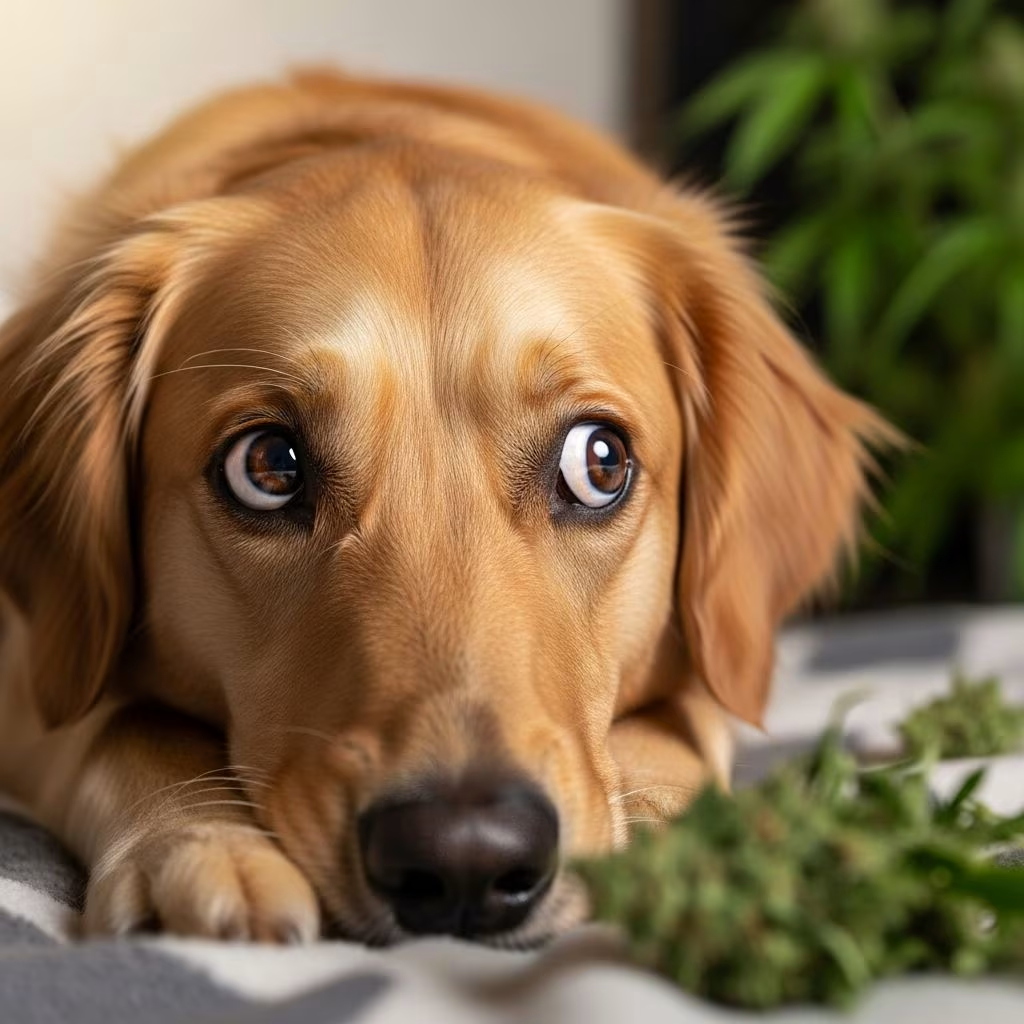
Marijuana toxicity, also known as cannabis or THC poisoning, has become increasingly common in dogs as cannabis legalization expands access to products containing tetrahydrocannabinol (THC), the psychoactive compound in marijuana. Dogs are particularly susceptible due to their curious nature and tendency to ingest edibles, buds, or concentrates left within reach. Symptoms typically emerge 30 minutes to several hours after exposure and can persist up to 72 hours, ranging from mild lethargy to severe neurological effects like coma.
Understanding the risks is crucial for pet owners. THC binds to cannabinoid receptors (CB1 for psychoactive effects and CB2 for inflammation) more strongly in dogs than humans, amplifying toxicity even from small amounts. This article covers causes, symptoms, diagnosis, treatment, recovery, prevention, and FAQs to equip you with life-saving knowledge.
What Causes Marijuana Toxicity in Dogs?
Dogs encounter THC through various routes, with ingestion being the most common. Edibles like brownies, gummies, or butter infused with cannabis are highly appealing due to their sweet taste and high THC potency. Other sources include raw buds, oils, vapes, and concentrates like wax or shatter, which can contain THC levels up to 90%.
- Ingestion: Eating discarded joints, edibles, or baked goods—often the primary cause, leading to rapid absorption.
- Inhalation: Secondhand smoke from joints or vapes, typically causing milder symptoms.
- Topical exposure: Rare, but possible from lotions or oils licked off fur.
- Concentrates: High-potency products like dabs pose extreme risks, potentially causing coma or hypotension.
Potency has risen dramatically; modern marijuana can have 10-20 times more THC than decades ago, heightening dangers for pets. Even hemp-derived CBD products with trace THC can intoxicate if mislabeled or overdosed.
Symptoms of Marijuana Toxicity in Dogs
Symptoms vary by dose, product type, and dog size but often mimic drunkenness. Most dogs show depression (75%), with 25% exhibiting excitation. Onset is 30 minutes to 3 hours post-exposure.
| Common Symptoms | Less Common/Severe |
|---|---|
| Lethargy or sedation Ataxia (wobbly gait, stumbling) Urinary incontinence/dribbling Disorientation/dazed look Dilated pupils (mydriasis) Hyperesthesia (sensitivity to sound/touch) | Vomiting/drooling Bradycardia (slow heart rate) Hypothermia Tremors/shaking Agitation/vocalization Seizures, coma (rare, from concentrates) |
Dogs may appear ‘drunk,’ startling to catch balance when falling, or become unusually vocal. Cats show similar signs but more ataxia and vomiting.
How is Marijuana Toxicity Diagnosed in Dogs?
Diagnosis relies on history and clinical signs, as no rapid THC test exists for vets. Owners reporting possible exposure (e.g., ‘My dog ate my edible’) confirm suspicion. Vets rule out differentials like xylitol, chocolate, or opioids via bloodwork, ruling out metabolic issues.
- History: Timing, amount, and product type.
- Physical exam: Vital signs (bradycardia, hypothermia), neurological assessment.
- Lab tests: Blood glucose, electrolytes; urine THC detection (delayed).
- Differentials: Hypoglycemia, toxins like antifreeze.
Synthetic cannabinoids may cause tremors/seizures, requiring distinct consideration.
Treatment for Marijuana Toxicity in Dogs
No antidote exists; treatment is supportive, focusing on decontamination (if early), symptom control, and monitoring. Fatality is rare, but aspiration pneumonia or injury from falls are risks.
Early intervention (under 30 min): Induce vomiting (if not symptomatic).
Hospital care:
- IV fluids for hydration and toxin flushing.
- Activated charcoal (if not vomiting/aspirating risk).
- Anti-emetics (e.g., maropitant) for nausea.
- Sedatives (diazepam/acepromazine) for agitation/tremors.
- Temperature therapy (warming blankets).
- IV lipid emulsion (ILE) for severe cases—binds lipid-soluble THC.
- Rare: Ventilator, hemodialysis.
Mild cases may recover at home in a quiet, padded space.
Recovery Time and Prognosis for Dogs with Marijuana Toxicity
Most dogs recover fully within 24-72 hours with supportive care. Mild cases resolve in 12-24 hours; severe (concentrates) may need 3-5 days hospitalization. Prognosis is excellent unless complications like aspiration occur. Monitor for relapse up to 72 hours.
Follow-up includes recheck exams and bloodwork. Long-term, no lasting effects reported.
How to Prevent Marijuana Toxicity in Dogs
Prevention is key in cannabis-legal areas.
- Store all products (edibles, buds, vapes) in secure, pet-proof containers.
- Avoid smoking around pets; ventilate well.
- Educate household members, especially with guests.
- Choose pet-safe CBD (THC-free, vet-approved).
- Supervise outdoor areas near grow ops or users.
- Contact poison control (e.g., ASPCA) immediately if exposure suspected.
Frequently Asked Questions (FAQs)
Can marijuana kill my dog?
Fatalities are extremely rare; supportive care leads to full recovery in nearly all cases. Risks stem from secondary issues like aspiration.
What should I do if my dog ate marijuana?
Don’t induce vomiting at home. Call your vet or emergency clinic immediately with details on amount/type/time.
How long do symptoms last?
Typically 24-72 hours, depending on dose and treatment speed.
Is secondhand smoke dangerous?
Yes, but milder than ingestion. Avoid exposure.
Can CBD products cause toxicity?
Pure CBD (0% THC) is safe, but many contain trace THC—check labels and consult vets.
When to See a Vet for Suspected Marijuana Toxicity
Seek immediate care for any symptoms: ataxia, lethargy, incontinence. Even mild signs warrant monitoring; severe (seizures, coma) is emergency. Time is critical to prevent complications.
References
- THC (Marijuana) Poisoning in Dogs: What to Know — WebMD. 2023. https://www.webmd.com/pets/dogs/thc-poisoning-dogs
- Marijuana Intoxication in Cats and Dogs — Today’s Veterinary Practice. 2023. https://todaysveterinarypractice.com/toxicology/marijuana-intoxication-in-cats-and-dogs/
- Cannabis (THC) Intoxication in Dogs — Cornell University College of Veterinary Medicine. 2024-01-14. https://www.vet.cornell.edu/departments-centers-and-institutes/riney-canine-health-center/canine-health-information/Cannabis-THC-intoxication-in-dogs
- How to Spot Signs of Marijuana Toxicity in Your Dog — CVETS. 2023. https://cvets.net/signs-marijuana-toxicity-your-dog/
- Marijuana Toxicity in Pets — Animal Specialty & Emergency Center. 2023. https://www.animalspecialtyemergencycenter.com/pet-parents/medical-briefs-and-information/marijuana-toxicity-in-pets
- Marijuana Toxicosis in Pets — Tufts University Cummings School of Veterinary Medicine. 2024. https://vet.tufts.edu/news-events/news/marijuana-toxicosis-pets
- Cannabis (Marijuana) Intoxication in Cats and Dogs — VCA Animal Hospitals. 2023. https://vcahospitals.com/know-your-pet/marijuana-intoxication-in-dogs-and-cats



