

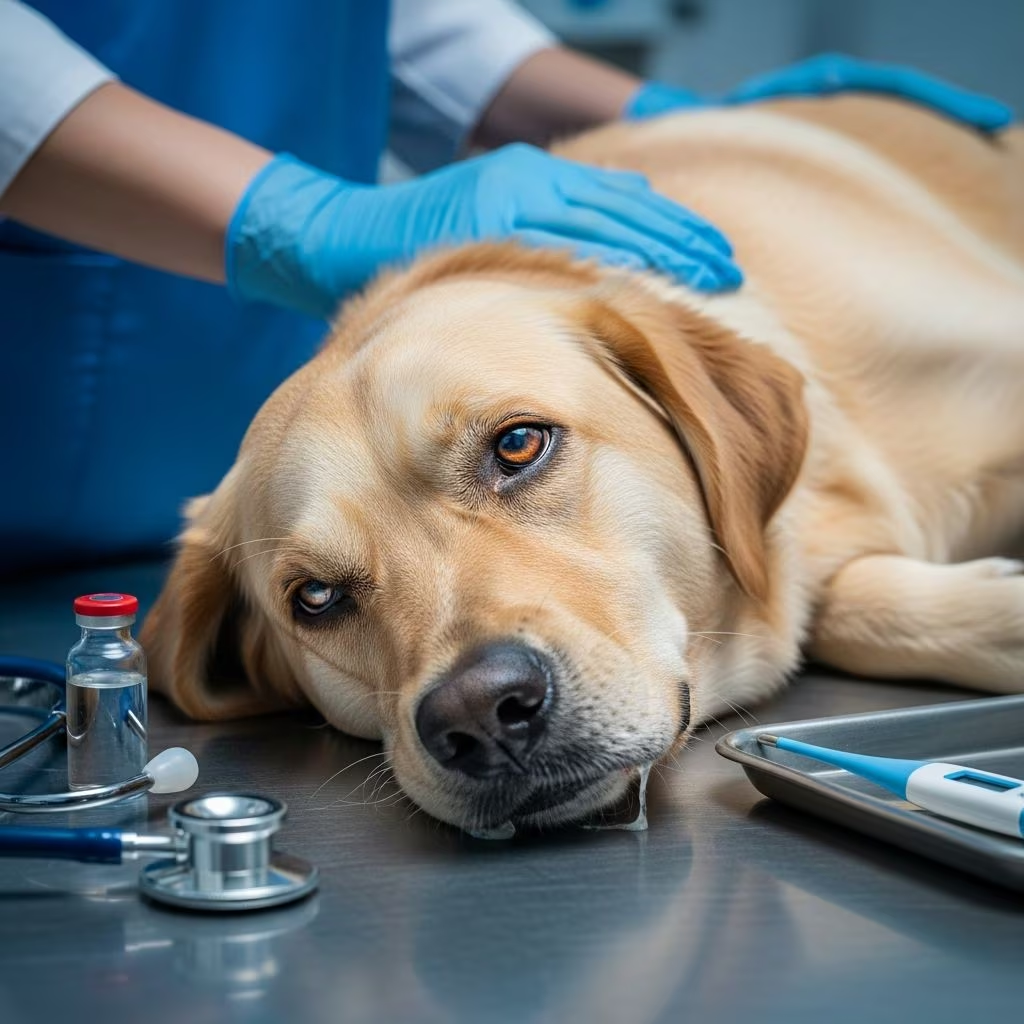
Marijuana toxicity, also known as cannabis or THC poisoning, occurs when dogs ingest or inhale tetrahydrocannabinol (THC), the psychoactive compound in marijuana. With increasing legalization and availability, cases have risen significantly, affecting dogs more severely than humans due to their smaller size and higher number of cannabinoid receptors. Dogs may accidentally consume edibles, plants, or secondhand smoke, leading to symptoms that can range from mild disorientation to life-threatening complications. Early recognition and veterinary intervention are crucial for full recovery, which typically occurs within 24-72 hours with proper care.
What Causes Marijuana Toxicity in Dogs?
Dogs encounter THC through various routes: ingestion of baked goods like brownies, direct consumption of marijuana buds or concentrates, inhalation of smoke, or absorption via oils and topicals. THC binds to CB1 and CB2 receptors in the brain and body, causing psychoactive effects far more potent in dogs than in humans. Factors like the dog’s size, age, and the THC concentration amplify severity; small breeds or puppies face higher risks from even trace amounts. Synthetic cannabinoids like “Spice” or “K2” pose even greater dangers due to unpredictable potency.
- Ingestion: Most common, via edibles containing chocolate or nuts, which compound toxicity.
- Inhalation: Secondhand smoke from joints or vapes.
- Concentrates: High-potency products like waxes or shatter lead to coma or hypotension.
Symptoms of Marijuana Toxicity in Dogs
Symptoms typically appear 30 minutes to 3 hours post-exposure and can persist up to 72 hours. Common signs include neurological and behavioral changes, making dogs appear “drunk.” Owners often notice urinary incontinence first, followed by lethargy and ataxia.
| Symptom Category | Common Symptoms | Severity |
|---|---|---|
| Neurological | Ataxia (stumbling, drunken gait), disorientation, tremors, hyperesthesia (sensitivity to sound/touch) | Mild to Severe |
| Behavioral | Lethargy, agitation, vocalization (whining), dilated pupils | Mild to Moderate |
| Physiological | Urinary incontinence, vomiting, bradycardia/hypotension, hypothermia, mydriasis | Moderate to Severe |
| Rare/Severe | Coma, seizures, respiratory depression | Life-Threatening |
In dogs, hyperesthesia, lethargy, and incontinence are most prevalent, while about 25% show excitation. Cats exhibit similar signs but more vomiting. Breeds like brachycephalics may struggle more due to respiratory effects.
How is Marijuana Toxicity Diagnosed in Dogs?
Diagnosis relies on history, clinical signs, and ruling out differentials like hypoglycemia or toxins. Vets perform physical exams checking vitals: low heart rate, low temperature, and dilated pupils are hallmarks. Bloodwork assesses electrolytes, glucose, and organ function. THC urine tests exist but are rarely needed due to cost and delay; response to supportive care confirms suspicion. Recent exposure timing guides decontamination feasibility.
- History: Recent access to marijuana products.
- Exam: Ataxia, incontinence, vital sign abnormalities.
- Exclusion: Test for other poisons or metabolic issues.
Treatment for Marijuana Toxicity in Dogs
There is no specific antidote; treatment is supportive and symptomatic. If within 30 minutes of ingestion and asymptomatic, induce vomiting. Beyond that, risk of aspiration prohibits it. Hospitalization is often required for severe cases.
- Decontamination: Activated charcoal to bind THC (repeat doses if needed).
- Supportive Care: IV fluids for hydration, anti-emetics (e.g., maropitant), sedatives like diazepam for agitation.
- Advanced Therapies: IV lipid emulsion (ILE) for severe lipid-soluble THC cases, warming/cooling for temperature dysregulation.
- Monitoring: Quiet, padded environment to prevent injury; seizure meds if needed.
Mild cases may recover at home with crate rest in a safe space. Prognosis is excellent with prompt care; most dogs recover in 1-3 days.
Prognosis and Recovery
With timely treatment, full recovery is the norm within 24-72 hours. Synthetic marijuana prolongs effects and worsens outcomes. Rare fatalities occur from aspiration, trauma, or comorbidities. Post-recovery, monitor for lingering ataxia. Lipid therapy shows promise but needs more research.
Prevention Tips
Store all cannabis products securely: locked cabinets for edibles, no smoking around pets. Educate household members on risks. Dispose of waste properly. Opt for pet-safe areas during use. Awareness campaigns note rising cases post-legalization.
- Lock edibles and plants away from curious noses.
- Ventilate areas to avoid secondhand exposure.
- Supervise small dogs and puppies extra closely.
- Use child-proof containers for all THC items.
Frequently Asked Questions (FAQs)
What should I do if I suspect my dog ate marijuana?
Contact your vet or emergency clinic immediately, even if symptoms haven’t started. Provide details on amount and timing.
How long do symptoms last?
Typically 24-72 hours, depending on dose and treatment speed.
Can small amounts harm my dog?
Yes, even trace amounts can cause symptoms in small dogs.
Is marijuana toxic to all pets?
Primarily dogs and cats; dogs are more sensitive.
What about CBD products?
THC-free CBD is generally safe but check for contaminants; pure CBD has low toxicity risk.
Will my dog need hospitalization?
Mild cases: no; severe (coma, seizures): yes.
References
- THC (Marijuana) Poisoning in Dogs: What to Know — WebMD. 2023-10-15. https://www.webmd.com/pets/dogs/thc-poisoning-dogs
- Marijuana Intoxication in Cats and Dogs — Today’s Veterinary Practice. 2024-05-20. https://todaysveterinarypractice.com/toxicology/marijuana-intoxication-in-cats-and-dogs/
- Marijuana Toxicity in Pets — Animal Specialty & Emergency Center of Brevard. 2023-08-12. https://www.animalspecialtyemergencycenter.com/pet-parents/medical-briefs-and-information/marijuana-toxicity-in-pets
- Marijuana Toxicosis in Pets — Cummings School of Veterinary Medicine at Tufts University. 2024-02-28. https://vet.tufts.edu/news-events/news/marijuana-toxicosis-pets
- Cannabis (THC) Intoxication in Dogs — Cornell University College of Veterinary Medicine. 2024-11-10. https://www.vet.cornell.edu/departments-centers-and-institutes/riney-canine-health-center/canine-health-information/Cannabis-THC-intoxication-in-dogs



