

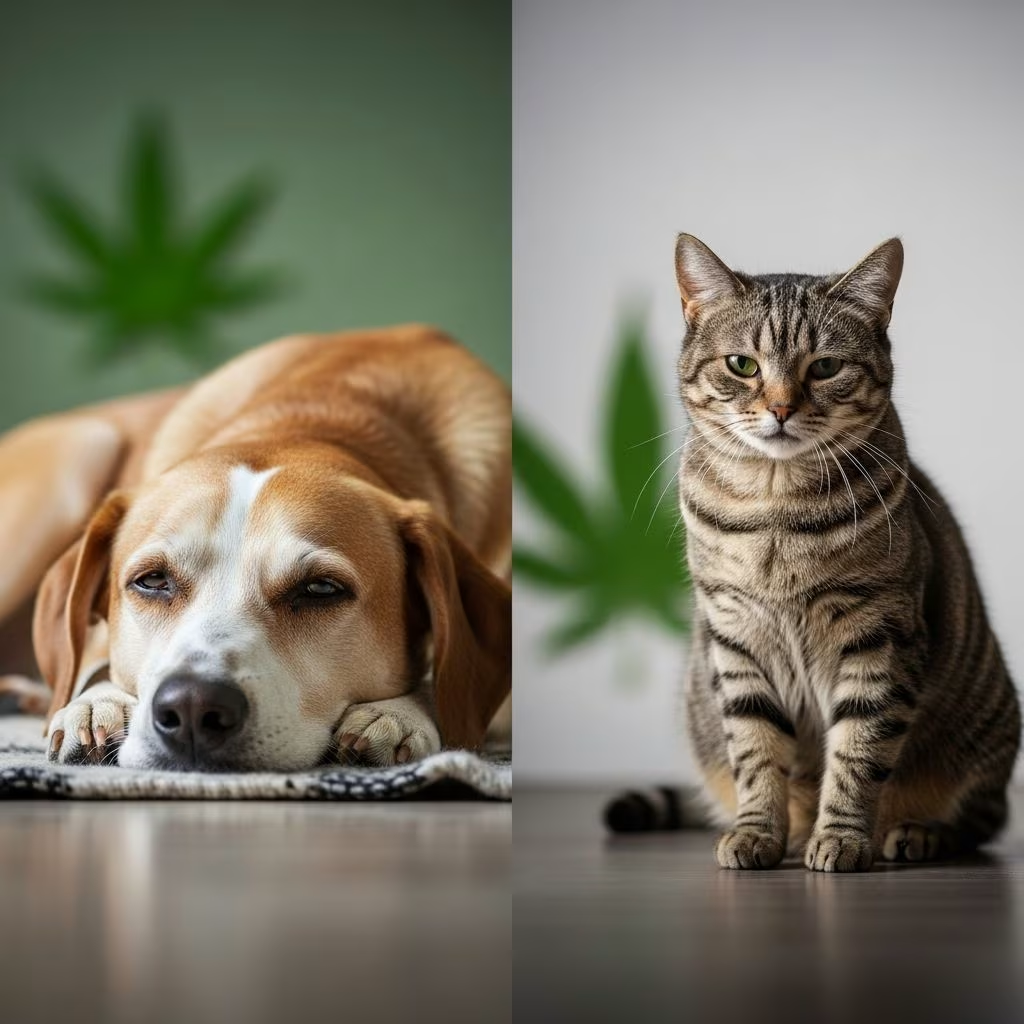
As marijuana legalization spreads across many states and countries, veterinarians are seeing an increase in pets accidentally or inadvertently exposed to cannabis. Marijuana intoxication in dogs and cats is a serious concern for pet owners, and understanding the signs, treatment options, and prevention strategies is essential for keeping your furry companions safe.
What is Marijuana Toxicity in Pets?
Marijuana toxicity occurs when pets consume or inhale cannabis products containing tetrahydrocannabinol (THC), the psychoactive compound responsible for the plant’s intoxicating effects. Unlike humans who use marijuana deliberately, pets typically encounter it accidentally through ingestion of plant material, edibles, or concentrated products like oils and dabs. The THC content in modern cannabis products has increased significantly over the years, making even small exposures potentially dangerous for animals.
Cats and dogs metabolize THC differently than humans, making them more susceptible to its toxic effects. The severity of intoxication depends on the amount ingested relative to the pet’s size, the concentration of THC in the product, and the individual pet’s sensitivity to the compound.
Clinical Signs of Marijuana Intoxication
The symptoms of marijuana intoxication in pets can appear within 30 minutes to several hours after exposure and typically last between 24 to 72 hours. However, the clinical presentation varies significantly between dogs and cats, though many signs overlap.
Signs in Dogs
Dogs exposed to THC typically display a characteristic presentation of neurological and physiological changes. The most common clinical signs include:
- Hyperesthesia (heightened sensitivity to touch, sound, and movement)
- Lethargy and drowsiness
- Urinary incontinence or dribbling
- Ataxia (loss of coordination and balance)
- Disorientation and confusion
- Drunken gait or stumbling
- Dilated pupils
- Bradycardia (slow heart rate)
- Hypothermia (low body temperature)
- Tremors
Approximately 25% of exposed dogs may exhibit stimulation instead of sedation, presenting with agitation, anxiety, and panting. In severe cases, particularly those involving THC concentrates, dogs may become comatose and hypotensive, requiring immediate emergency intervention.
Signs in Cats
Cats experience similar symptoms to dogs, though the presentation can differ slightly. Common signs in feline marijuana intoxication include:
- Ataxia and loss of coordination
- Lethargy and extreme drowsiness
- Vomiting (despite THC’s antiemetic properties)
- Dilated pupils
- Hypersalivation or drooling
- Hypothermia
- Sensitivity to sensory stimuli
- Elevated third eyelids
Research has shown that cats given high doses of THC oil exhibit mild gastrointestinal signs, lethargy, hypothermia, ataxia, and elevated third eyelids, with many recovering without specific treatment.
Severity and Duration of Effects
The intensity of marijuana intoxication depends on several factors. The amount of THC ingested relative to the pet’s body weight is the primary determinant of severity. A small dog ingesting the same amount of cannabis as a large dog will experience much more severe effects. Additionally, the type of cannabis product matters significantly—concentrated products like oils, dabs, and edibles contain much higher THC concentrations than plant material and pose greater risks.
Intoxication typically lasts 24 to 72 hours, though some pets may show lingering effects beyond this timeframe. Most pets recover completely without long-term consequences, though severe cases involving very high doses may result in seizures, coma, or in rare instances, death.
Conditions That Mimic Marijuana Toxicity
Because marijuana intoxication can resemble other serious medical conditions, veterinary diagnosis is crucial. Several toxicities and medical emergencies present similarly to cannabis poisoning:
- Antifreeze poisoning: Causes incoordination, lethargy, vomiting, and subsequent kidney failure
- Alcohol poisoning: Results in lethargy, confusion, and respiratory distress
- Ivermectin toxicity: Common in certain breeds like Collies, causing seizures, lethargy, and blindness
- Hypoglycemia: Low blood sugar causes weakness, tremors, and disorientation
- Chocolate toxicity: Produces vomiting, tremors, seizures, and increased heart rate
- Xylitol poisoning: Causes severe hypoglycemia and liver failure
This is why immediate veterinary evaluation is essential when cannabis exposure is suspected.
Diagnosis of Marijuana Intoxication
Veterinarians diagnose marijuana intoxication primarily through history of exposure and clinical signs. If pet owners can confirm or suspect cannabis ingestion, this significantly aids diagnosis. However, definitive diagnosis may require specialized urine or plasma testing for THC metabolites, though many emergency veterinary clinics do not have these tests readily available.
A thorough physical examination helps rule out other conditions that mimic cannabis toxicity. Veterinarians will assess heart rate, body temperature, pupil size, reflexes, and overall neurological status. Blood work may be performed to evaluate organ function and rule out concurrent toxicities, especially if the pet consumed edibles containing other toxic ingredients like chocolate or xylitol.
Treatment Options for Marijuana Intoxication
There is no specific antidote for THC toxicity. Instead, treatment focuses on supportive care and management of symptoms. The approach depends on the time since exposure and the severity of clinical signs.
Decontamination and Early Intervention
If marijuana ingestion is discovered within 30 minutes to 2 hours, veterinarians may attempt to induce vomiting to remove the toxin from the gastrointestinal tract before absorption occurs. However, because marijuana has antiemetic properties (it prevents vomiting), inducing emesis may not be successful. When vomiting is attempted in dogs, locally acting emetics like 3% hydrogen peroxide may be more effective than central-acting agents.
Activated charcoal is often administered orally to bind THC in the digestive system and reduce absorption. This treatment is most effective when given soon after ingestion.
Symptomatic and Supportive Care
Most pets with mild to moderate marijuana intoxication can be managed with supportive care and close monitoring. This includes:
- Confinement in a quiet, darkened space to minimize sensory stimulation
- Maintaining normal body temperature through environmental control
- IV fluid administration to support hydration and facilitate toxin elimination
- Continuous monitoring of vital signs including heart rate, blood pressure, and respiratory rate
- Medications to control specific symptoms such as anti-nausea drugs or anticonvulsants if seizures occur
Managing Agitation and Anxiety
For agitated or anxious pets, sedative medications may be necessary. Diazepam or low-dose acepromazine can help calm affected animals, though acepromazine should only be used in normotensive patients to avoid excessive blood pressure reduction.
Advanced Therapies for Severe Cases
Pets with severe THC intoxication, particularly those exhibiting hypotension or comatose states, may benefit from intravenous lipid emulsion therapy. Because THC is lipid-soluble, a 20% lipid solution can bind THC molecules in the bloodstream and facilitate their removal from circulation, potentially accelerating recovery.
Recovery and Prognosis
The prognosis for marijuana intoxication is generally favorable with appropriate veterinary care. Most pets recover within 24 to 72 hours with prompt treatment. However, recovery depends on the severity of ingestion and the rapidity of veterinary intervention. Pets with mild signs may recover faster, while those with severe intoxication or concurrent ingestion of other toxins may require extended hospitalization and monitoring.
Complications can arise, particularly if pets consumed edibles containing other toxic ingredients. For example, chocolate in cannabis-infused brownies or xylitol in cannabis-infused candies can cause additional severe toxicity requiring separate treatment protocols.
Prevention Strategies
The best approach to marijuana intoxication is prevention. Pet owners should:
- Store all cannabis products in secure, locked containers out of reach of pets
- Keep dried cannabis plant material safely stored away from curious animals
- Educate household members, especially children, about keeping marijuana away from pets
- Be cautious with cannabis-infused edibles, which may also contain other pet toxins like chocolate or xylitol
- Prevent pets from accessing areas where marijuana is being smoked or vaporized
- Dispose of cannabis products safely in pet-proof trash receptacles
- Inform veterinarians of any in-home cannabis use so they can better evaluate symptoms if exposure occurs
When to Seek Emergency Veterinary Care
Pet owners should contact a veterinarian immediately if they suspect marijuana exposure or observe any signs of intoxication. Emergency care is particularly important if the pet exhibits:
- Severe lethargy or unresponsiveness
- Tremors or seizures
- Difficulty breathing or respiratory distress
- Severely abnormal heart rate (very slow or very rapid)
- Extreme agitation or panic
- Signs suggesting concurrent toxicity from edible ingredients
Frequently Asked Questions About Marijuana Intoxication in Pets
Q: Can marijuana intoxication in pets be fatal?
A: While death from marijuana intoxication alone is extremely rare, severe cases can be life-threatening, especially if the pet consumed very high doses or concurrent toxins. With prompt veterinary treatment, the vast majority of affected pets recover fully.
Q: How long does it take for symptoms to appear after cannabis exposure?
A: Clinical signs typically develop within 30 minutes to several hours after exposure, depending on how the cannabis was ingested and the amount consumed.
Q: Is secondhand marijuana smoke dangerous for pets?
A: While less concentrated than direct ingestion, secondhand smoke exposure can affect pets, particularly cats who may spend time in enclosed spaces where smoking occurs. Avoid smoking marijuana around your pets.
Q: Can I treat marijuana intoxication at home?
A: Mild cases with minimal symptoms may be manageable at home with close monitoring and a quiet environment. However, any significant symptoms warrant veterinary evaluation to rule out other conditions and ensure appropriate treatment.
Q: Are some pets more susceptible to marijuana toxicity than others?
A: Yes, smaller animals experience more severe effects from the same amount of THC due to concentration relative to body weight. Individual sensitivity varies among pets as well.
References
- Marijuana Intoxication in Cats and Dogs — Today’s Veterinary Practice. 2024. https://todaysveterinarypractice.com/toxicology/marijuana-intoxication-in-cats-and-dogs/
- What To Do If Your Pet Eats Weed: Marijuana Toxicity In Dogs & Cats — Urgent Vet. 2024. https://urgentvet.com/thc-marijuana-toxicity-in-dogs-and-cats/
- Cannabis (Marijuana) Intoxication in Dogs and Cats — Canton Veterinary Associates. 2024. https://cantonvets.com/resources/cannabis-marijuana-intoxication-in-pets/
- Marijuana Toxicosis in Pets — Cummings School of Veterinary Medicine, Tufts University. 2024. https://vet.tufts.edu/news-events/news/marijuana-toxicosis-pets
- THC (Marijuana) Poisoning in Dogs: What to Know — WebMD Pets. 2024. https://www.webmd.com/pets/dogs/thc-poisoning-dogs
- Marijuana Toxicity in Pets — Animal Specialty & Emergency Center. 2024. https://www.animalspecialtyemergencycenter.com/pet-parents/medical-briefs-and-information/marijuana-toxicity-in-pets



