
Mare Fertility Assessment: Essential Checklist For Breeders
Comprehensive guide to evaluating mare reproductive health for optimal breeding success and early issue detection.
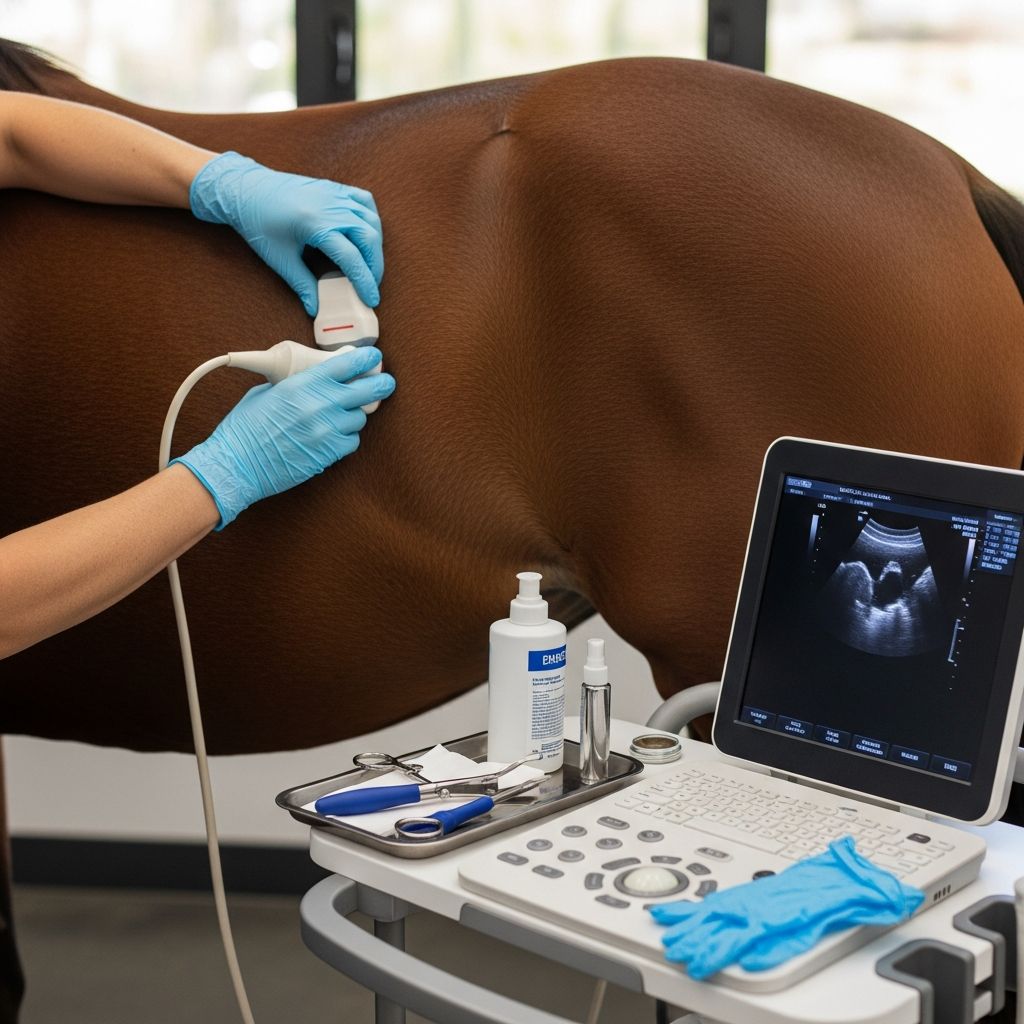
Evaluating a mare’s reproductive capability is crucial for horse breeders aiming to maximize foaling rates and maintain genetic quality in their herds. These assessments, often called breeding soundness exams, systematically review the mare’s entire genital system to uncover potential barriers to conception or pregnancy maintenance.
Why Conduct Fertility Checks on Mares?
Horse breeding faces inherent challenges, with average conception rates hovering around 50-60% even under ideal conditions. Factors like age, prior reproductive history, and subclinical infections can significantly impact outcomes. Routine fertility evaluations help breeders pinpoint issues early, allowing for targeted treatments that improve the odds of successful pregnancies.
For maiden mares entering breeding for the first time, older mares with declining fertility, or those with repeated barren seasons, these exams provide vital data. They inform decisions on whether to proceed with breeding, select compatible stallions, or pursue therapeutic interventions.
Preparing the Mare for Examination
Proper preparation ensures accurate results and minimizes stress. Start by securing the mare in stocks with her tail wrapped and secured aside to expose the perineal area cleanly. Clean the vulvar region gently to avoid introducing contaminants.
The veterinary team wears sterile gloves and uses lubricant for internal procedures. Rectal exams require evacuating feces first to safely palpate internal structures without risk of perforation.
External Reproductive Evaluation
Begin with a visual and manual inspection of the vulva, perineum, and udder. Look for signs of discharge, swelling, or asymmetry that might indicate infection or conformational flaws.
- Vulvar conformation: Assess length, position, and tone. A sunken or short vulva can predispose to pneumovagina, allowing bacterial entry.
- Clitoral size: Enlarged clitorides may signal hormonal imbalances or developmental disorders.
- Perineal scars or pooling: Urine staining or dried crusts suggest incontinence or poor drainage.
These observations guide further diagnostics, as poor external sealing often correlates with internal infections.
Internal Genital Tract Palpation and Imaging
Transrectal palpation and ultrasound form the cornerstone of internal assessment. Using a lubricated sleeve, the veterinarian palpates the cervix, uterus, and ovaries through the rectal wall.
Ultrasound with a 5-10 MHz linear probe provides real-time images of fluid-filled follicles, solid corpora lutea, and uterine echotexture. Key findings include:
| Structure | Normal Features | Abnormal Indicators |
|---|---|---|
| Ovaries | Bean-shaped, 5-8 cm, with ovulation fossa | Enlarged, cystic follicles, tumors |
| Uterus | Firm, symmetrical horns | Fluid accumulation, thickened walls |
| Cervix | Toned, fusiform | Adhesions, eversion |
This combined approach determines cycle stage and detects anomalies like ovarian cysts or uterine edema.
Vaginal and Cervical Inspection Techniques
A manual vaginal exam follows, with a gloved hand inserted to evaluate sphincter tone, wall integrity, and cervical os patency. In maiden mares, confirm hymen rupture.
Vaginoscopy using a speculum illuminates the vagina and cervix for direct visualization. Look for inflammation, tears, or purulent material. Post-foaling mares need cervical palpation during diestrus for full tone assessment.
Advanced Diagnostic Sampling
Endometrial Cultures and Cytology
A double-guarded swab navigates the cervix to sample uterine contents without contamination. Aerobic culture identifies pathogens like Streptococcus equi subspecies zooepidemicus. Cytology reveals inflammatory cells, aiding endometritis diagnosis.
Uterine Biopsy Procedures
A biopsy instrument captures endometrial tissue for histologic grading. Samples fix in Bouin’s solution then transfer to ethanol for analysis. Grades I-II indicate good fertility; III signals chronic degeneration reducing foaling chances.
Timing matters: Delay sampling 3+ weeks post-foaling to avoid transient inflammation skewing results.
Special Considerations for Different Mare Types
Maiden and Young Mares
Often sufficient with palpation, ultrasound, and basic vaginal checks. Focus on confirming normal anatomy and cycle activity.
Barren or Repeat Breeders
Require full protocols including cultures, biopsies, and possibly hysteroscopy or hormone panels. Karyotyping rules out chromosomal issues.
Postpartum Mares
Evaluate involution progress, foaling trauma, and infection risk. Dystocia cases demand thorough scrutiny.
Interpreting Results and Prognosis
Integrate all data to classify fertility potential:
- Category 1: Normal tract, excellent prognosis.
- Category 2: Manageable issues like mild endometritis; guarded but improvable.
- Category 3: Severe pathology; breeding not recommended.
Biopsy grades correlate strongly with conception rates: Grade I mares exceed 80% success, while Grade III drop below 10%.
Enhancing Fertility Post-Examination
Address findings promptly. Antibiotics treat active infections; hormonal therapies regulate cycles; surgical corrections fix conformational defects. Winter timing allows non-urgent fixes before breeding season.
Frequently Asked Questions (FAQs)
What is the cost of a full mare breeding exam?
Costs vary by location and scope but typically range from $300-$800, covering ultrasound, cultures, and biopsies.
How often should mares undergo fertility checks?
Annually for active breeders, especially after barren seasons or age 12+.
Can ultrasounds detect early pregnancy?
Yes, from day 10-14 post-covering via embryonic vesicle visualization.
Is sedation required for these exams?
Usually not, but calm mares yield better results; light sedation aids fractious ones.
What if my mare has a clean exam but still doesn’t conceive?
Consider stallion fertility, timing, and management factors like nutrition.
Long-Term Benefits of Routine Assessments
Consistent fertility evaluations sustain breeding programs by culling subfertile mares early and optimizing pairings. They reduce economic losses from failed seasons and promote healthier foal crops.
By investing in these diagnostics, breeders contribute to equine industry advancements, refining protocols based on empirical data.
References
- Breeding Soundness Examination of the Mare — Merck Veterinary Manual. 2023-10-15. https://www.merckvetmanual.com/management-and-nutrition/management-of-reproduction-horses/breeding-soundness-examination-of-the-mare
- Breeding Soundness Examinations in Mares — Vet Times. 2022-11-20. https://www.vettimes.com/news/vets/equine/breeding-soundness-examinations-in-mares
- Breeding Soundness Exams for Mares: Assessing Reproductive Health — Mad Barn (University-affiliated equine nutrition). 2024-05-12. https://madbarn.com/breeding-soundness-exam-for-mares/
- Breeding Soundness Examination of the Mare — University of Florida IFAS Extension. 2003-01-01. https://extadmin.ifas.ufl.edu/media/extadminifasufledu/cflag/image/docs/fl-equine-institute/2003/BreedingSoundness.pdf (Authoritative classic reference on biopsy grading).
- Mare BSE Techniques — Auburn University College of Veterinary Medicine. 2018-09-01. https://www.vetmed.auburn.edu/wp-content/uploads/2018/09/Mare-BSE-Techniques.pdf
Similar Articles








Read full bio of Sneha Tete


