

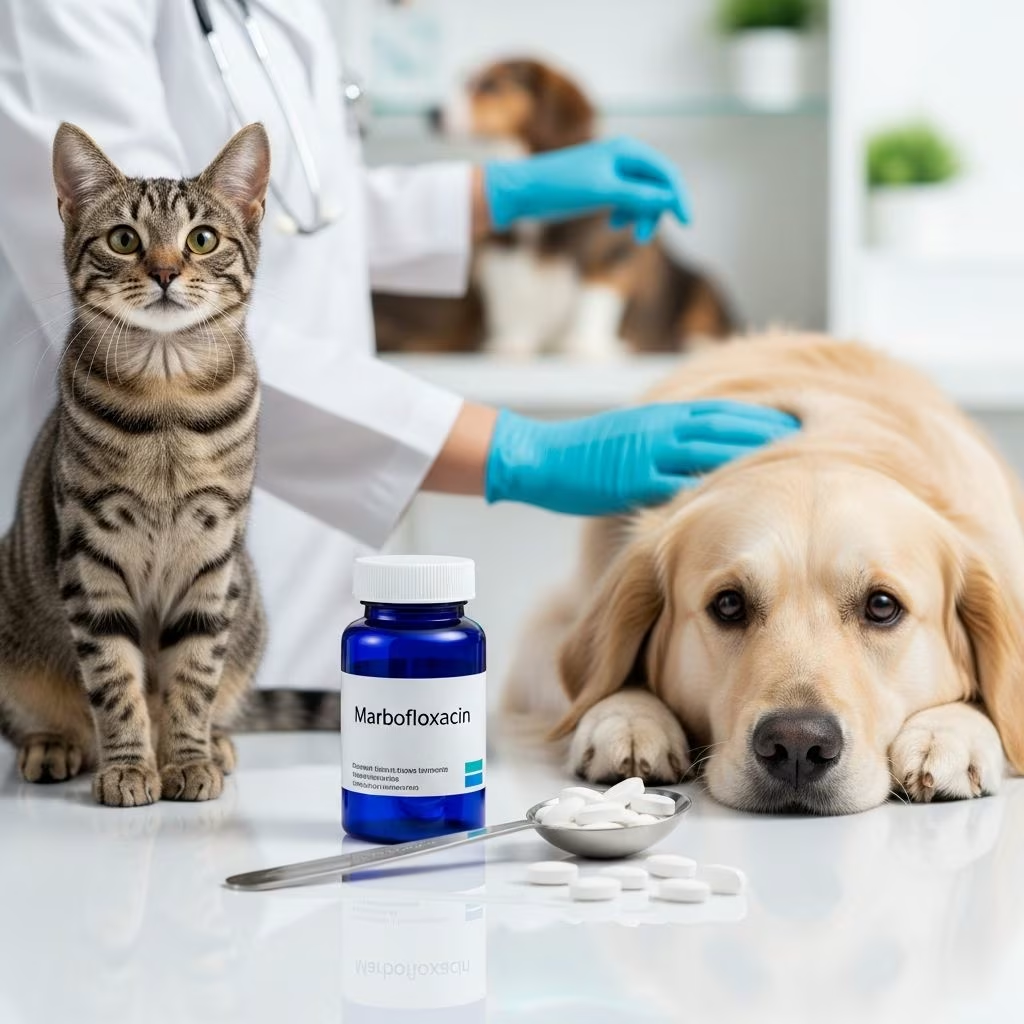
Understanding Marbofloxacin for Dogs and Cats
Marbofloxacin is a fluoroquinolone antibiotic medication that has been approved by the FDA for use in dogs and cats to treat various bacterial infections. This synthetic antibiotic belongs to a class of medications known for their broad-spectrum activity against many gram-negative and gram-positive bacteria. Pet owners whose animals are prescribed this medication should understand how it works, proper dosing guidelines, potential side effects, and important safety considerations to ensure the best outcomes for their pets.
What is Marbofloxacin?
Marbofloxacin, commonly known by the brand name Zeniquin, is a veterinary fluoroquinolone antibiotic designed specifically for companion animals. This medication works by inhibiting bacterial DNA gyrase, an essential enzyme that bacteria need to replicate and survive. By interfering with this critical bacterial function, marbofloxacin effectively kills or stops the growth of susceptible bacteria, allowing the pet’s immune system to clear the infection. The drug is available in oral tablet form in various strengths, making it convenient for home administration by pet owners.
FDA Approval and Indication Status
Marbofloxacin has received FDA approval for use in both dogs and cats, making it a trusted option for veterinarians treating bacterial infections in companion animals. The unrestricted status of this medication means veterinarians can prescribe it for labeled uses without special restrictions. Additionally, veterinarians may use this medication for extra-label purposes when they determine it is medically appropriate for a specific condition, allowing for flexibility in treatment protocols beyond the original FDA-approved indications.
Common Uses and Indications
Marbofloxacin is prescribed to treat a variety of bacterial infections in dogs and cats. Understanding the specific conditions this antibiotic targets can help pet owners better appreciate why their veterinarian has recommended this particular medication.
Skin and Soft Tissue Infections
One of the primary uses of marbofloxacin is treating bacterial skin and soft tissue infections in both dogs and cats. These infections may include pyoderma, abscesses, wounds, and other surface-level bacterial contaminations. For skin and soft tissue infections, marbofloxacin tablets should be administered at 2.75 mg/kg once daily for 5 to 14 days, depending on the severity and response to treatment.
Urinary Tract Infections
Marbofloxacin is effective for treating bacterial urinary tract infections in companion animals. When treating urinary tract infections, the medication should be administered for at least 10 days to ensure complete bacterial elimination and prevent relapse or development of antibiotic resistance.
Respiratory and Other Infections
Beyond skin and urinary conditions, marbofloxacin may be prescribed for respiratory tract infections and other systemic bacterial infections where susceptible organisms are involved. Veterinarians may also use this medication for extra-label purposes in specific cases, such as treating hemoplasmosis in cats at a dose of 2.75 mg/kg once daily for 14 to 28 days, or Pseudomonas otitis media and interna in dogs at higher doses of 5.5 mg/kg once daily.
Dosage Information
Proper dosing is critical for the effectiveness and safety of marbofloxacin therapy. The following dosage guidelines apply to dogs and cats:
| Species | Condition | Dosage | Duration |
|---|---|---|---|
| Dogs & Cats | Label dose (general) | 2.75-5.5 mg/kg PO once daily | Up to 30 days |
| Dogs & Cats | Skin/soft tissue infections | 2.75 mg/kg PO once daily | 5-14 days |
| Dogs & Cats | Urinary tract infections | 2.75-5.5 mg/kg PO once daily | At least 10 days |
| Cats | Hemoplasmosis (extra-label) | 2.75 mg/kg PO once daily | 14-28 days |
| Dogs | Pseudomonas otitis (extra-label) | 5.5 mg/kg PO once daily | As directed |
The recommended standard dosage for oral administration to dogs and cats is 1.25 mg per pound of body weight once daily, though the dosage may be safely increased to 2.5 mg per pound when clinically indicated. The exact dose prescribed will depend on the specific infection being treated, the severity of the condition, the size and weight of the pet, and the veterinarian’s clinical judgment. Pet owners should always follow their veterinarian’s specific dosage instructions rather than attempting to calculate doses independently.
Duration of Treatment
The length of marbofloxacin treatment varies depending on the condition being addressed and the pet’s response to therapy. In general, skin and soft tissue infections require treatment for 2 to 3 days beyond the cessation of clinical signs, with a maximum treatment duration of 30 days. For urinary tract infections, treatment should continue for at least 10 days. It is essential that pet owners complete the entire prescribed course of antibiotics even if their pet appears to be feeling better, as premature discontinuation can lead to treatment failure, relapse, or the development of antibiotic-resistant bacteria. The duration of administration should be determined by the condition being treated, the pet’s response to medication, and the development of any adverse effects.
Administration Guidelines
Marbofloxacin is available in tablet form in strengths of 25 mg, 50 mg, 100 mg, and 200 mg film-coated tablets for veterinary use. The medication should be administered exactly as directed by the prescribing veterinarian. Tablets can typically be given with or without food, though some veterinarians may recommend administration with food if gastrointestinal upset occurs. Pet owners should never attempt to alter the dosage or frequency without consulting their veterinarian first.
How Marbofloxacin Works
Marbofloxacin is a synthetic fluoroquinolone antibiotic that functions by disrupting bacterial DNA replication and protein synthesis. The medication has relatively short-lived effects, meaning the active benefits typically wear off within 24 hours after administration. However, the therapeutic benefits may be prolonged in animals with decreased kidney and liver function, as these organs are responsible for metabolizing and eliminating the drug from the body. Your pet should begin showing improvement within 1 to 2 days of starting treatment, though complete resolution of the infection may take longer depending on the severity and type of infection being treated.
Potential Side Effects
While marbofloxacin is generally well-tolerated in dogs and cats, side effects can occur in some animals. Pet owners should be aware of possible adverse reactions and contact their veterinarian if they observe any concerning symptoms during treatment.
Common Side Effects
Side effects of marbofloxacin are relatively uncommon but may include vomiting, reddening of the skin, weight loss, dehydration, drooling, tremors, facial swelling, decreased appetite, and decreased activity levels. These side effects are typically mild and may resolve as the pet’s body adjusts to the medication. However, if any side effects persist or worsen, pet owners should contact their veterinarian for guidance.
Serious Considerations
Although rare, more serious adverse effects can occur. Fluoroquinolones, including marbofloxacin, have been associated with cartilage damage in young animals, which is why this medication should be used with particular caution in puppies and kittens. Specifically, marbofloxacin should be used carefully in small and medium-sized puppies less than 8 months of age, large breed puppies less than 12 months of age, and giant breed puppies less than 18 months of age. Young animals are still developing their skeletal structures, making them more vulnerable to potential complications from fluoroquinolone antibiotics.
Drug Interactions and Precautions
Marbofloxacin may interact with other medications, which is why it is crucial for pet owners to inform their veterinarian about any other drugs, supplements, or medications their pet is currently receiving. Your veterinarian can assess potential interactions and determine if any adjustments to the treatment plan are necessary. Additionally, pets with kidney or liver disease may require dose adjustments or more frequent monitoring, as these organs are involved in drug metabolism and elimination.
Important Safety Information
Medication should never be administered without first consulting your veterinarian. Before starting marbofloxacin, inform your veterinarian of:
– Your pet’s complete medical history- Any previous allergic reactions to antibiotics or fluoroquinolones- Current medications and supplements- Kidney or liver disease- Age and developmental stage of your pet- Any other health conditions
Your veterinarian will use this information to determine whether marbofloxacin is the appropriate choice and whether any precautions or dosage adjustments are necessary for your specific pet.
Completing the Full Course of Treatment
One of the most important aspects of antibiotic therapy is completing the entire prescribed course, even if your pet appears to be feeling significantly better after just a few days. Discontinuing antibiotics prematurely can result in several problems:
– Incomplete elimination of bacteria, leading to treatment failure and relapse- Development of antibiotic-resistant bacteria- Recurring or worsening infections- Potential need for stronger or alternative antibiotics
By completing the full course as prescribed, pet owners ensure the best chance for complete resolution of the infection and help prevent the spread of antibiotic resistance, which is an important public health consideration.
Frequently Asked Questions About Marbofloxacin
Q: How quickly will marbofloxacin start working?
A: Your pet should begin showing improvement within 1 to 2 days of starting treatment. However, complete resolution of the infection may take longer depending on the severity and type of bacterial infection being treated.
Q: Can marbofloxacin be given to puppies and kittens?
A: While marbofloxacin can be prescribed to young animals, it should be used with caution. It is recommended to use extra caution in small and medium-sized puppies under 8 months of age, large breed puppies under 12 months of age, and giant breed puppies under 18 months of age due to potential cartilage development concerns.
Q: What should I do if I miss a dose?
A: If you miss a dose, administer it as soon as you remember unless it is almost time for the next scheduled dose. In that case, skip the missed dose and resume the regular dosing schedule. Never double-dose to make up for a missed dose.
Q: Can marbofloxacin be given with food?
A: Marbofloxacin tablets can typically be administered with or without food. However, if your pet experiences gastrointestinal upset, your veterinarian may recommend giving it with food. Always follow your veterinarian’s specific administration instructions.
Q: What are the signs that marbofloxacin is not working?
A: If your pet shows no improvement within 3 to 5 days, or if symptoms worsen during treatment, contact your veterinarian immediately. This may indicate that the bacteria is resistant to this antibiotic, or that an alternative treatment approach is needed.
Q: How is marbofloxacin stored?
A: Store marbofloxacin tablets at room temperature, away from moisture and extreme heat. Keep the medication in its original container and out of reach of children and pets.
Q: Can marbofloxacin be used for all types of bacterial infections?
A: Marbofloxacin is effective against many gram-negative and gram-positive bacteria, but not all. Your veterinarian may perform bacterial culture and sensitivity testing to determine if marbofloxacin is the appropriate choice for your pet’s specific infection.
Q: What should I do if my pet experiences side effects?
A: If your pet develops vomiting, loss of appetite, tremors, facial swelling, or other concerning symptoms, contact your veterinarian immediately. Do not stop the medication without veterinary guidance, as this could compromise treatment effectiveness.
Conclusion
Marbofloxacin is a valuable antibiotic tool for veterinarians treating bacterial infections in dogs and cats. When prescribed appropriately and administered according to veterinary directions, this fluoroquinolone medication can effectively resolve infections and improve your pet’s health. Understanding the proper dosage, duration of treatment, potential side effects, and importance of completing the full course of therapy enables pet owners to be informed partners in their pet’s treatment plan. Always consult with your veterinarian about any questions or concerns regarding marbofloxacin therapy, and never hesitate to report any adverse effects or unexpected symptoms during treatment. With proper use and monitoring, marbofloxacin remains an effective option for managing bacterial infections in companion animals.
References
- Marbofloxacin [Companion] – OSU VMC Antimicrobial Use Guidelines — Ohio State University College of Veterinary Medicine. 2024. https://ohiostate.pressbooks.pub/osuvmcabxuse/chapter/abx_marbofloxacin-companion/
- Marbofloxacin (Generic) Tablets – Heartland Vet Supply — Heartland Vet Supply. 2024. https://www.heartlandvetsupply.com/p-6161-marbofloxacin-generic-tablets.aspx
- Marbofloxacin (Zeniquin®) for Dogs and Cats — PetPlace.com. 2024. https://www.petplace.com/article/drug-library/drug-library/library/marbofloxacin-zeniquin-for-dogs-and-cats
- Dosages of Quinolones — Merck Veterinary Manual. 2024. https://www.merckvetmanual.com/multimedia/table/dosages-of-quinolones
- Zeniquin 50 MG – 100 Tablets Product Information — Zoetis Canada. 2024. https://www2.zoetis.ca/species/companion-animals/products-and-solutions/zeniquin-50-mg-100-tablets
- Zeniquin Prescribing Information — Zoetis US. 2024. https://www.zoetisus.com/content/_assets/docs/vmips/package-inserts/zeniquin-prescribing-information.pdf



