

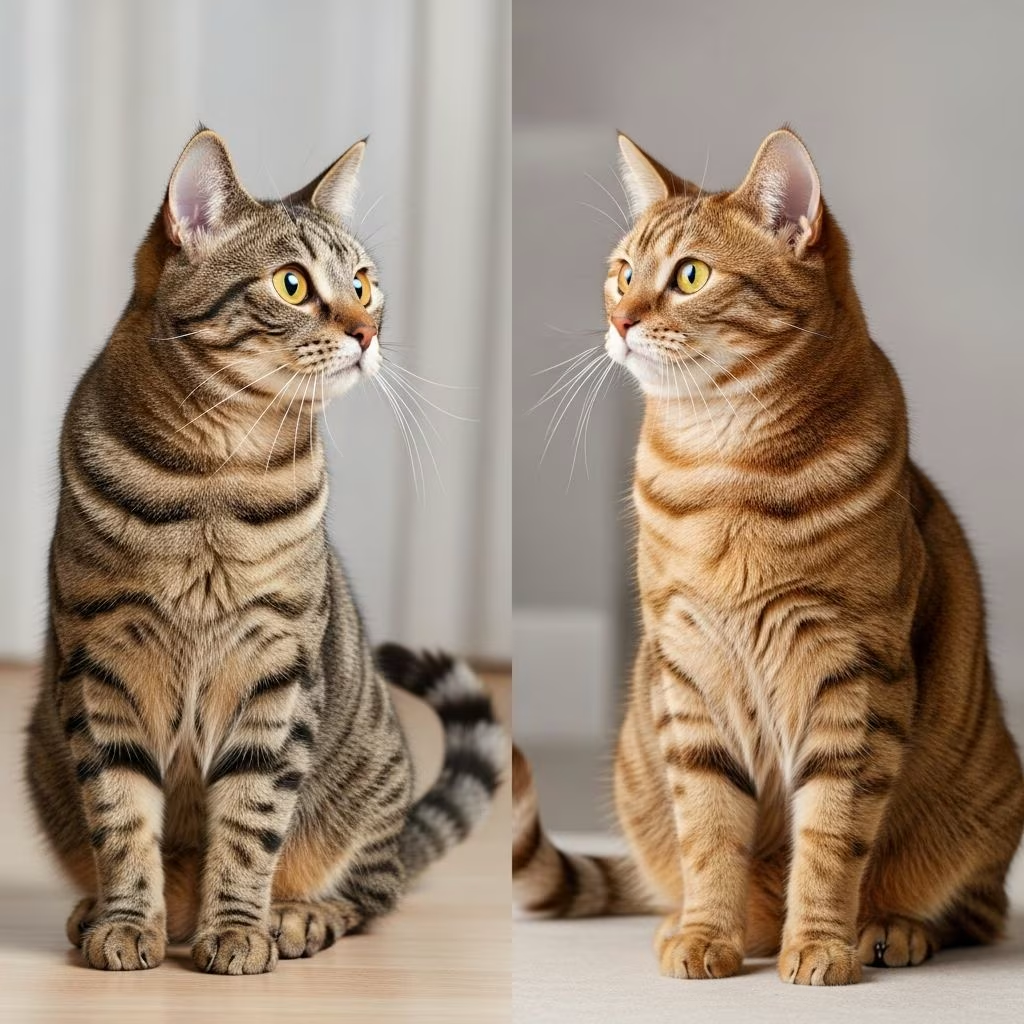
Manx Cat vs American Bobtail: A Comprehensive Breed Comparison
When considering a new feline companion, many pet owners are drawn to unique and distinctive breeds. Two of the most captivating tailless or short-tailed cat breeds are the Manx cat and the American Bobtail. Both breeds share the distinctive characteristic of shortened tails, yet they possess remarkably different histories, physical attributes, temperaments, and care requirements. Understanding the differences between these two exceptional breeds will help you determine which one is the perfect match for your lifestyle and family.
Breed Origins and History
The Manx cat has a rich and storied history that dates back centuries. Originating from the Isle of Man, a small island between Ireland and Great Britain, the Manx breed is steeped in legend and mystery. Various myths surround the breed’s tailless origin, with some folklore suggesting the unusual trait resulted from a genetic mutation. The breed became well-established and recognized for its distinctive appearance and hunting prowess over generations of island living.
In contrast, the American Bobtail is a much younger breed with a modern origin story. The breed emerged in the United States during the 1960s when breeders began selectively pairing cats with naturally shortened tails. The development began when a short-tailed Tabby was mated with a seal-point Siamese female, creating the foundation for this striking new breed. The Cat Fancier’s Association (CFA) officially recognized the American Bobtail as an official breed in 2000, making it one of the newer additions to the cat fancy.
Physical Characteristics and Appearance
Size and Build
While both breeds are known for their short tails, they differ notably in size and overall body structure. The American Bobtail is the larger of the two breeds, typically weighing between 7 and 16 pounds, with some individuals reaching the upper end of this range. Manx cats are more moderate in size, weighing between 8 and 12 pounds on average. The American Bobtail has a long, stocky body with long hind legs and shorter front legs, giving it a distinctive appearance.
The Manx cat possesses a distinctly different body structure. These felines have a round head with large, round eyes, a stout and powerful body with a broad chest, short back, and broad, round rear end. Their short front legs combined with long hind legs create a unique silhouette that gives them a rabbit-like appearance, which has contributed to the breed’s legendary “cabbit” myth.
Tail Characteristics
One of the most defining features of these breeds is their distinctive tails. The American Bobtail’s tail typically measures 1 to 4 inches in length, though tails can occasionally be shorter or longer than this range. Each bobtail’s tail is unique, featuring various characteristics that may include a straight shape with a fat pad at the end, slight curves, kinks, or bumpy textures along the length. Importantly, American Bobtail kittens are almost never completely tailless at birth.
Manx cats are best known for being entirely tailless, though many do have a small stub of a tail. The complete absence of a tail is the most distinguishing characteristic of the breed and is what has captured the imagination of cat enthusiasts for centuries. This feature is what led to the breed’s original name and its prominent place in feline history.
Coat Type and Coloration
Both breeds display considerable variation in coat length and coloration. American Bobtails have coats that range from short and dense to longer, shaggy styles. Their coats are less dense than those of Manx cats, yet still require daily brushing to maintain a healthy, shiny appearance. The breed comes in various colors and patterns, with breeders specifically striving to bring out the animal’s wild “Tabby” features. Interestingly, American Bobtails often have tufts of hair between their paws, adding to their wild appearance.
Manx cats possess a longer outer coat with a dense undercoat, which requires less frequent grooming than the longer-haired American Bobtail varieties. However, both breeds shed more heavily during spring and fall seasons, so consistent brushing during these periods helps manage shedding around your home. A notable characteristic of some American Bobtails is that their eye color often corresponds to their coat color, making them appear particularly exotic and similar in appearance to bobcats in the wild.
Temperament and Personality
Manx Cat Temperament
Despite their wild working cat heritage, Manx cats are among the most loving and affectionate feline companions available. These intelligent animals bond quickly with their human caretakers and display dog-like loyalty. They are fond of following their owners around the home and enjoy lounging in their laps for extended periods. Manx cats are known for their playful nature and active personalities, though they only require a moderate amount of daily exercise. Daily play sessions are essential for their well-being and mental stimulation.
An interesting behavioral trait of Manx cats is their love of perching in high places like bookshelves. Some individuals have even demonstrated remarkable ability in grasping door handles and opening doors, showcasing their intelligence and curiosity. These cats retain their fine hunting skills and alert nature, making them excellent choices for households seeking natural rodent control on properties.
American Bobtail Temperament
American Bobtails are renowned for their playful, loving nature and possess personalities remarkably similar to canines. They truly enjoy being beside their owners throughout the day and make excellent pets for older children and families with multiple animals. These intelligent creatures are adaptable in nature, making them suitable for various lifestyles ranging from relaxed to active households.
One standout characteristic of American Bobtails is their exceptional travel companionability. These cats are much happier riding in cars with their families than staying alone in empty homes, making them ideal for families who frequently travel. Additionally, American Bobtails have gained recognition among some psychotherapists for their loving and intuitive nature, proving beneficial in therapeutic settings.
American Bobtails are notably skilled at escaping pet carriers and rooms with closed doors, demonstrating their intelligence and problem-solving abilities. However, despite their playful and active nature, they only require moderate exercise and are equally happy to serve as lap cats when their families are relaxing at home.
Health Considerations
Both the Manx and American Bobtail are generally hardy breeds with relatively few medical problems compared to many purebred cats. However, their distinctive shortened tails do make them more vulnerable to certain spinal conditions than breeds with full-length tails.
American Bobtail Health Issues
The American Bobtail is generally a hardy breed but may experience spinal issues related to their shortened tails, occasionally leading to complications such as bowel control difficulties. American Bobtails are also prone to hip dysplasia, a hereditary disease that can cause crippling lameness and arthritis of the hip joints.
Manx Health Concerns
Manx cats are more susceptible to hereditary conditions than American Bobtails, primarily Manx Syndrome, which impacts spinal cord function and mobility. This condition represents the most significant health concern for the breed. Symptoms of Manx Syndrome may include bowel conditions, a shortened spinal column, and reduced mobility in the hind legs. Most symptoms typically occur before Manx cats reach 4 months of age, which is why breeders usually do not allow adoptions until kittens are at least 4 months old. Breeders typically euthanize kittens diagnosed with Manx Syndrome to prevent suffering.
Additional health concerns for Manx cats include sacrococcygeal dysgenesis, megacolon, arthritis, and infrequent tail abnormalities. Early veterinary screenings and ongoing health monitoring are essential to mitigate these risks and ensure a long, healthy life for your Manx companion.
Grooming and Care Requirements
Both breeds require daily grooming and a nutritious diet high in animal proteins to maintain optimal health and appearance. The primary difference in care between the two breeds involves how you handle them when picking them up. With Manx cats, you must be more careful with the rump when holding them, as their hindquarters are more sensitive and vulnerable to injuries due to their unique spinal structure.
For longer-haired American Bobtails, regular grooming sessions are necessary to keep tangles and mats at bay. Daily brushing helps maintain coat health and reduces shedding throughout the home, particularly during peak shedding seasons in spring and fall. Manx cats generally require less frequent grooming than shaggy American Bobtails due to their coat type, though consistent brushing is still important.
Which Breed Is Right for You?
Choosing between a Manx cat and an American Bobtail depends on your specific lifestyle, living situation, and what you’re seeking in a feline companion.
Choose a Manx Cat If You:
- Live in a rural environment where the cat can safely hunt
- Need a skilled hunter for natural rodent control on your property
- Prefer a slightly more independent cat that still bonds closely with family
- Want a compact, distinctive-looking companion
- Don’t travel frequently and prefer a cat that stays home-focused
Choose an American Bobtail If You:
- Travel frequently and want a cat companion for road trips
- Have children and want a slightly calmer, more patient breed around kids
- Have multiple pets and want a social, adaptable cat
- Live a more active lifestyle and want a playful, engaging companion
- Work from home or want a cat that enjoys constant companionship
Comparison Table
| Characteristic | Manx Cat | American Bobtail |
|---|---|---|
| Origin | Isle of Man | United States (1960s) |
| Size | 8–12 pounds | 7–16 pounds |
| Lifespan | 14–16 years | 13–15 years |
| Tail Length | Tailless or small stub | 1–4 inches |
| Coat Type | Long outer coat, dense undercoat | Short to medium-long, shaggy |
| Grooming Needs | Moderate | Daily (especially longer coats) |
| Exercise Level | Moderate | Moderate |
| Ideal Environment | Rural (hunting) or indoor | Any (very adaptable) |
| Travel Companion | No | Excellent |
| Primary Health Concern | Manx Syndrome | Hip dysplasia, spinal issues |
Frequently Asked Questions
Q: Are Manx cats completely tailless?
A: Most Manx cats are completely tailless, though many have a small stub of a tail. The complete absence of a tail is the most distinguishing characteristic of the breed.
Q: How long are American Bobtail tails?
A: American Bobtail tails typically measure 1 to 4 inches in length, though they can occasionally be shorter or longer. Each tail is unique and flexible, often visible above the cat’s back when alert.
Q: Which breed is better for families with young children?
A: American Bobtails are slightly calmer around children than Manx cats. Both breeds are loving and affectionate, but American Bobtails tend to be more patient with the unpredictability of young children.
Q: Can Manx cats live in apartments?
A: Yes, Manx cats can adapt to apartment living if they’re entertained with games, toys, and plenty of petting. However, they’re naturally better suited to rural environments where they can indulge their hunting instincts.
Q: How much does grooming differ between these breeds?
A: American Bobtails with longer coats require daily grooming to prevent tangles and mats, while Manx cats need less frequent grooming despite their dense undercoats. Both breeds shed heavily during spring and fall.
Q: What is Manx Syndrome?
A: Manx Syndrome is a hereditary spinal condition that affects some Manx cats, impacting spinal cord function and mobility. Symptoms typically appear before 4 months of age and may include bowel issues and reduced hind leg mobility.
Q: Are American Bobtails good travel companions?
A: Yes, American Bobtails are excellent travel companions and are much happier riding in cars with their families than staying home alone. They’re ideal for families who travel frequently.
Q: Do both breeds require special handling?
A: Manx cats require more careful handling of their rump area when being picked up, as their hindquarters are more sensitive and vulnerable to injury due to their unique spinal structure.
Conclusion
Whether you choose an American Bobtail or a Manx cat, you’ll gain a friendly, loving companion for many years to come. Each breed is perfect for families but offers distinct advantages depending on your lifestyle. American Bobtails excel as travel companions and are slightly calmer around young children, making them ideal for active families. Manx cats are excellent hunters with strong territorial instincts, making them better suited for rural properties where they can exercise their natural abilities. By understanding the unique characteristics, temperaments, and care requirements of each breed, you can make an informed decision that will lead to a rewarding and lasting relationship with your new feline friend.
References
- American Bobtail or Manx Cat: Which Tailless Breed Fits You? — Lancaster Puppies. 2024. https://www.lancasterpuppies.com/pet-advice/american-bobtail-or-manx-cat-which-tailless-breed-fits-you.html
- Manx Cat vs American Bobtail Cat: Key Differences — Hepper. 2024. https://articles.hepper.com/manx-vs-american-bobtail-cat/
- American Bobtail vs. Manx: A Tail of Two Unique Breeds — Oreate AI. 2024. https://www.oreateai.com/blog/american-bobtail-vs-manx-a-tail-of-two-unique-breeds/
- Manx Cat VS. American Bobtail Cat — YouTube. 2024. https://www.youtube.com/watch?v=yWtQT2Nht3c
- Manx Cat — Wikipedia. 2025. https://en.wikipedia.org/wiki/Manx_cat



