

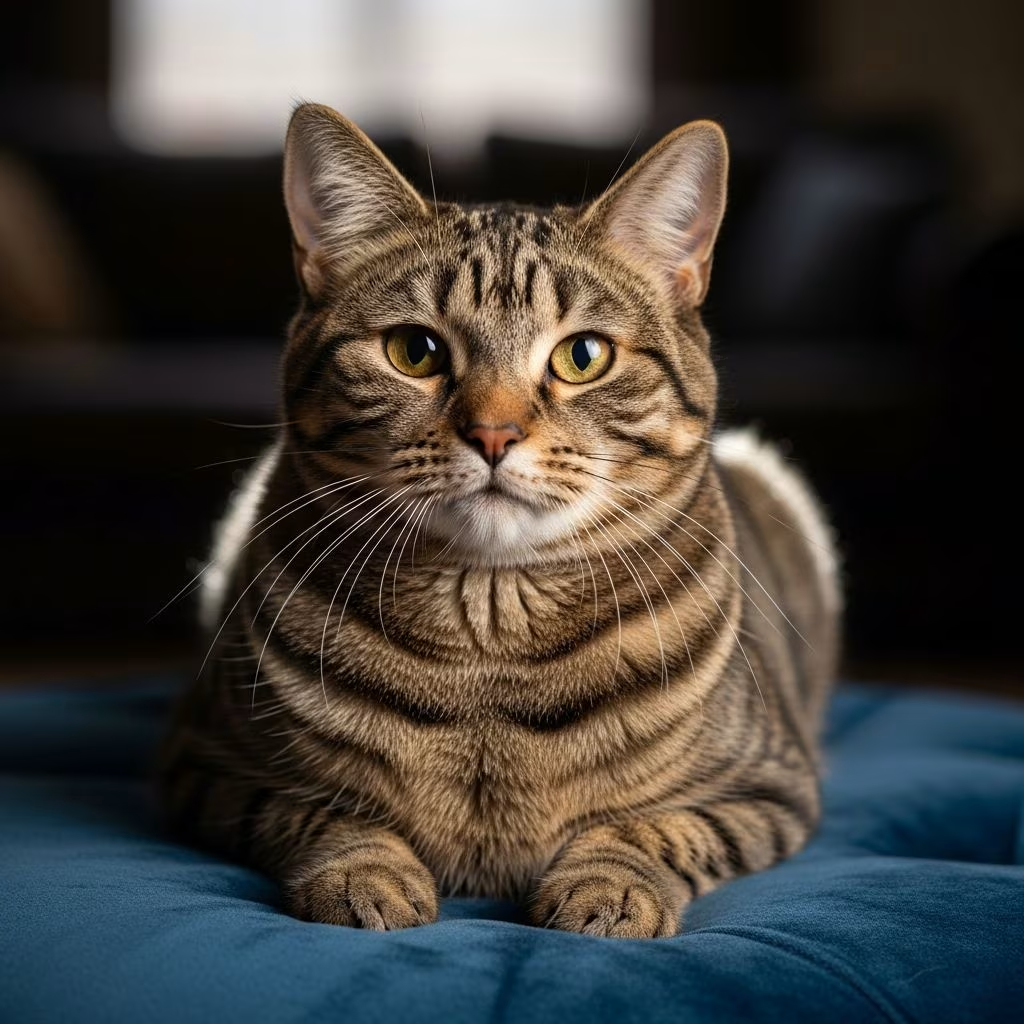
The Manx cat, celebrated for its distinctive tailless appearance and rounded physique, carries a genetic legacy that predisposes it to several health concerns. Originating from the Isle of Man, this breed’s unique mutation affecting tail development impacts more than just aesthetics, influencing skeletal structure, neurological function, and overall vitality. Understanding these risks empowers owners to provide proactive care, potentially extending lifespan and enhancing quality of life.
Genetic Origins of Manx Vulnerabilities
The hallmark of the Manx is the absence or stunting of the tail, resulting from a dominant gene mutation known as the Manx gene (M gene). This autosomal dominant trait means kittens inheriting even one copy from a carrier parent exhibit taillessness or partial tails. While visually striking, the gene disrupts normal vertebral development, as the tail and spinal column form from the same embryonic tissues. Homozygous MM cats (inheriting two copies) rarely survive due to severe defects, emphasizing the need for responsible breeding to avoid extreme expressions.
Manx cats display a spectrum of tail types: fully tailless “rumpies,” those with short stubs “stumpies,” longer partial tails “longies,” and rare full-tailed risers. Each variant correlates with varying health risks, with tailless individuals facing the highest complications. Breed standards from organizations like the Cat Fanciers’ Association highlight the breed’s compact, muscular build, with hindquarters elevated above shoulders due to longer rear legs, which can exacerbate mobility issues if underlying problems arise.
Spinal and Neurological Complications
One of the most serious health threats to Manx cats is **caudal spinal dysgenesis**, where the mutation causes incomplete closure of the neural tube in the lower spine. This leads to a condition called Manx syndrome, characterized by neurological deficits. Affected cats may experience incontinence, hind limb weakness, or paralysis, as nerves controlling bladder, bowel, and leg function are compromised. Symptoms often emerge between 2-4 months of age, with kittens showing dragging hindquarters or urinary accidents.
In milder cases, cats adapt with a hopping gait resembling a rabbit’s, thanks to powerful hind legs. However, severe instances require euthanasia for humane reasons. Veterinary screening via X-rays and neurological exams is crucial before breeding, as the gene’s variable expressivity makes prediction challenging. Studies indicate up to 20-30% of tailless Manx may show some spinal irregularity, underscoring the breed’s fragility.
- Early signs: Wobbly gait, fecal soiling, or dribbling urine.
- Diagnostic tools: Radiographs revealing fused or misshapen vertebrae.
- Management: Supportive care like diapers for incontinence, physical therapy, or surgery in select cases.
Urinary Tract Disorders in Manx Cats
Manx cats are prone to **urinary tract malformations**, including spina bifida occulta and narrowed urethras, stemming from the same genetic interference. These anomalies obstruct urine flow, heightening risks of infections, crystals, and life-threatening blockages. Males, with their narrower urethras, face elevated dangers, potentially leading to acute kidney failure if untreated.
Owners should monitor for straining in the litter box, blood in urine, or frequent small voids. Preventive measures include high-moisture diets, stress reduction, and regular vet check-ups with urinalysis. Hydration is key; encourage water intake via fountains or wet food. Data from veterinary records shows Manx overrepresented in feline lower urinary tract disease (FLUTD) cases, linking back to their congenital predispositions.
| Symptom | Possible Cause | Action |
|---|---|---|
| Blood in urine | Crystals or infection | Vet visit, antibiotics |
| Straining without output | Blockage | Emergency care |
| Increased thirst | Kidney stress | Diagnostic bloodwork |
Corneal Dystrophy and Eye Health
Less commonly discussed but notable, Manx cats can develop **corneal endothelial dystrophy**, where the cornea clouds due to endothelial cell dysfunction. This genetic condition typically appears in adulthood, causing vision impairment if bilateral. Regular ophthalmic exams detect early haze, with treatments like ointments providing relief. While not exclusive to Manx, their prevalence is higher, possibly tied to inbreeding in isolated populations.
Obesity and Metabolic Challenges
Despite their playful nature, Manx cats’ voracious appetites and sedentary tendencies post-maturity invite **obesity**. Their stocky build—8-12 pounds average weight—masks fat gain, straining joints and heart. The double coat demands grooming, but low activity exacerbates weight issues. Daily exercise via fetch games or laser pointers mimics their hunting instincts, while portion-controlled, nutrient-dense food prevents overeating.
- Ideal weight maintenance: Monitor body condition score monthly.
- Diet tips: High-protein, low-carb formulas; avoid free-feeding.
- Exercise: 15-20 minutes interactive play daily.
Joint and Skeletal Stress
The breed’s disproportionate leg lengths predispose Manx to **hip dysplasia** and arthritis, particularly in older cats. The elevated rump alters weight distribution, accelerating wear on joints. Anti-inflammatory supplements like glucosamine and weight control mitigate progression. X-rays confirm dysplasia, with orthopedics offering solutions for pain.
Grooming and Coat-Related Issues
Manx possess a dense double coat prone to matting if neglected, especially longhaired variants (Cymric). Seasonal shedding requires weekly brushing to prevent hairballs and skin infections. Bathing is rare but useful for heavy shedders. Their hardy coat resists most dermatoses, but obesity-linked folds can trap moisture, fostering dermatitis.
Breeding and Ethical Considerations
Responsible breeding avoids mating two carriers, producing 25% homozygous lethals. Outcrossing to tailed lines dilutes risks while preserving traits. Reputable breeders genetically test and X-ray parents, prioritizing health over show perfection. Prospective owners should demand health guarantees and pedigrees.
Preventive Healthcare Routine
A tailored wellness plan is vital:
- Annual exams with spinal/neurological focus.
- Vaccinations and parasite control.
- Weight tracking and dental cleanings.
- Early spay/neuter to curb roaming injuries.
Lifespan averages 8-14 years with diligent care, shorter if unmanaged defects arise.
Living with a Healthy Manx
Manx thrive in active homes, bonding deeply with “their” humans. Their dog-like fetch play and tolerance of dogs enrich families. Provide vertical spaces for jumping prowess, but soft landings prevent injuries. Mental stimulation via puzzles curbs boredom-induced issues.
Frequently Asked Questions
Are all Manx cats tailless?
No, variations range from fully tailless to full-tailed; tailless carry highest risks.
Can Manx cats live normal lifespans?
Yes, with screening and care, many reach 12+ years healthily.
Is Manx syndrome curable?
Not curable, but manageable; severe cases impact quality of life.
How do I prevent urinary issues in my Manx?
Feed wet food, ensure fresh water, minimize stress, vet monitor.
Are Manx good for apartments?
Yes, their compact size and moderate energy suit small spaces.
References
- Manx Cat Breed – Temperament, Personality and Characteristics Traits — Hill’s Pet. 2023. https://www.hillspet.com/cat-care/cat-breeds/manx
- Manx – The Cat Fanciers’ Association — CFA. 2024. https://cfa.org/breed/manx/
- Manx Facts – Cat Breeds — Wisdom Panel. 2024. https://www.wisdompanel.com/en-us/cat-breeds/manx
- What to Know About a Manx Cat — WebMD. 2023-10-15. https://www.webmd.com/pets/cats/what-to-know-about-a-manx-cat
- Manx Cat Breed Health and Care — PetMD. 2024. https://www.petmd.com/cat/breeds/manx



