

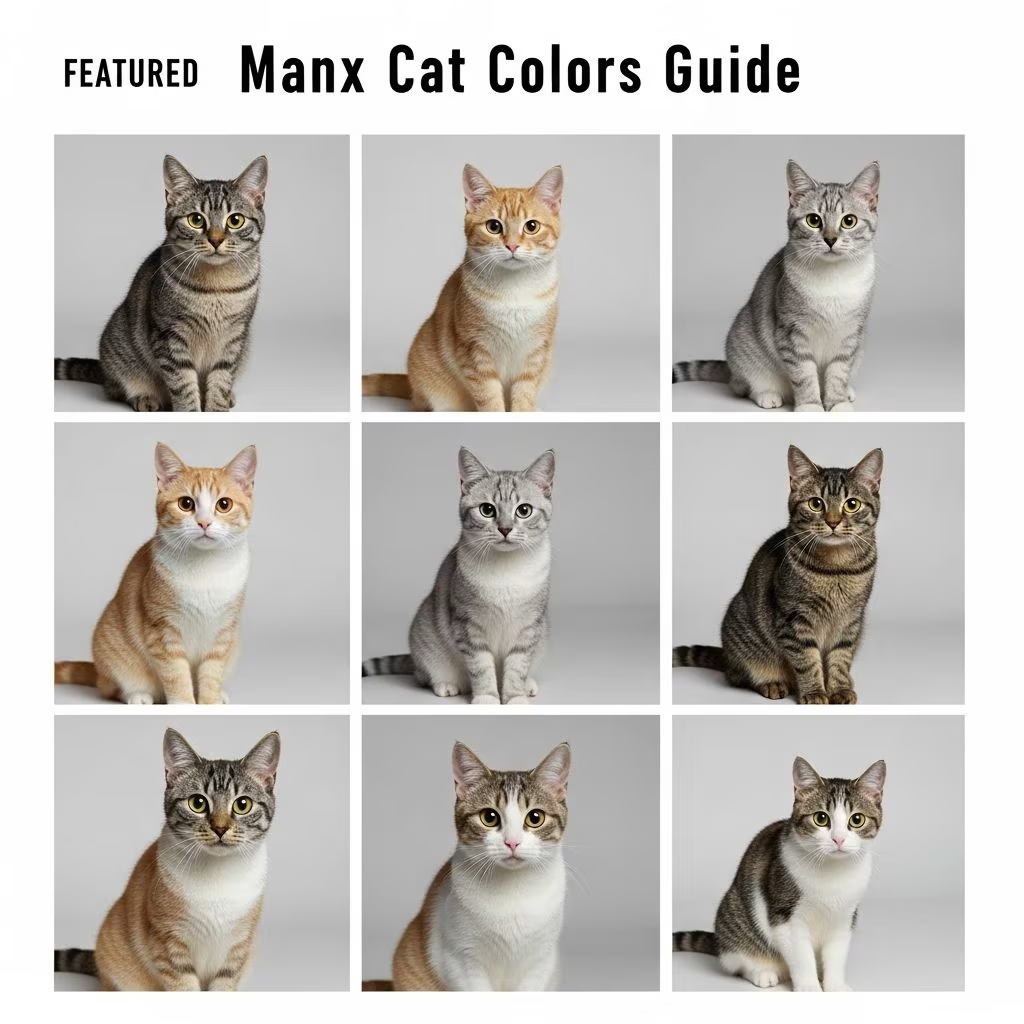
The Manx cat, celebrated for its distinctive tailless appearance and rounded physique, showcases a remarkable variety of coat colors and patterns. These felines, originating from the Isle of Man, feature a dense double coat that comes in nearly every hue imaginable, excluding certain restricted patterns like pointed Siamese styles. Understanding the spectrum of Manx colors not only highlights their aesthetic appeal but also reveals insights into their genetics and breed standards.
Understanding the Manx Coat Basics
At the core of a Manx cat’s allure is its plush, double-layered coat, which provides insulation and a plush feel. Short-haired Manx have a thick undercoat topped by a glossy outer layer, while longhaired variants, sometimes called Cymrics, exhibit fuller ruffs and breeches. This coat structure supports a wide palette of colors, from solid blacks to intricate tabby designs, making each Manx visually unique.
The absence or variation in tail length—ranging from rumpy (tailless) to stumpy or full—does not influence coat color genetics. Instead, colors are determined by standard feline pigmentation genes, allowing Manx to display solids, shadeds, smokes, tabbies, parti-colors, bi-colors, and more. Breeders aim for vibrant, even distributions that complement the cat’s compact, muscular build with its higher hindquarters and rounded head.
Solid Color Variations in Manx Cats
Solid colors represent some of the purest expressions in Manx coats, where a single hue dominates without markings. These are prized for their elegance and simplicity.
- Black Manx: Deep, ebony coats that gleam in sunlight, often paired with copper or gold eyes. The dense fur enhances the shine, making them striking companions.
- White Manx: Pure white fur covering the entire body, with eye colors ranging from vivid blue to odd-eyed combinations. These cats exude a snowy elegance but require sun protection to prevent sunburn.
- Blue (Dilute Black): A soft gray-blue shade resulting from the dilute gene, offering a mellow, sophisticated look. Eye color typically matches with green or hazel tones.
- Red (Orange): Bright, ruddy coats that can vary from pale cream to deep ginger. Males are more common in this color due to sex-linked genetics.
- Cream (Dilute Red): A pale, warm beige, providing a gentle contrast to bolder shades. Often seen with amber eyes.
Solid colors are common in pedigreed lines and suit the Manx’s placid, affectionate nature, blending seamlessly into home environments.
Tabby Patterns: The Spotted and Striped Beauties
Tabby patterns add dynamic flair to the Manx coat, featuring stripes, spots, or swirls against a ground color. These are among the most prevalent and breed-standard approved designs.
| Tabby Type | Description | Common Ground Colors | Eye Color |
|---|---|---|---|
| Classic (Blotched) | Bold swirls and marbling on sides, butterfly on shoulders | Brown, Silver, Blue | Copper, Green |
| Mackerel (Striped) | Narrow stripes with bars on legs, spots on belly | Brown, Red, Silver | Gold, Hazel |
| Spotted | Round spots instead of stripes, ideal stripe composition | Brown, Silver Patched | Copper |
Brown tabby Manx display a coppery base with black markings, while silver tabbies offer a pale silver ground with black contrasts. Patched versions incorporate red or cream patches, creating multi-tonal effects. These patterns highlight the Manx’s playful, dog-like personality, as the contrasting shades accentuate their bounding gait.
Tortoiseshell and Calico: The Multi-Hued Marvels
Tortoiseshell (tortie) Manx feature a mosaic of black, red, and sometimes cream, brindled together in a brindle effect. Nearly always female due to X-chromosome linkage, they display fiery temperaments matching their vibrant coats.
- Tortie: Intermingled patches without white.
- Calico (Tri-Color): Tortie with white patches, often on belly and chest.
- Dilute Tortie/Calico: Softer blues and creams for a pastel vibe.
- Torbie: Tortoiseshell blended with tabby markings.
Bi-color Manx combine white with any other color or pattern, such as black-and-white or tabby-and-white, adding versatility. These multi-hued cats are social and interactive, thriving in family settings.
Shaded, Smoke, and Silver Series
For subtler elegance, shaded and smoke Manx feature undercoats that differ from topcoats. Silver Manx have white undercoats tipped with color, while smokes show pale roots with darker tips.
- Chinchilla Silver: Black tipping on white undercoat, sparkling effect.
- Shaded Silver: Heavier tipping for a shadowed look.
- Smoke: Deep topcolor fading to pale roots, dramatic when parted.
These series exclude chocolate and lavender but include blue-smoke and cameo varieties, enhancing the breed’s luxurious texture.
Genetics Behind Manx Colors
Manx color genetics mirror domestic cats: the black/brown gene (B), red (O), dilute (D), and white spotting (S) interact to produce diversity. The tailless M gene on chromosome 1 is separate, allowing full color expression regardless of tail type. Breed standards from organizations like CFA specify allowances, such as no pointed patterns, ensuring purity.
Longhaired Manx may appear longer-bodied due to fur, but color distribution remains consistent. Maturity is slow, so kittens’ colors deepen over time.
Choosing a Manx by Color Preference
Selecting a Manx color depends on lifestyle. Solids suit minimalists; tabbies entertain active homes; torties bring personality. Consider eye color harmony—copper for warms, blue for cools. All benefit from daily grooming to maintain coat health, preventing matting in longhairs.
Care Tips for Vibrant Manx Coats
Maintain color vibrancy with diet rich in omega fatty acids, regular brushing, and UV protection for whites. Manx’s sturdy build (8-12 lbs) requires portion control to avoid obesity, preserving coat sheen.
FAQs About Manx Cat Colors
Can Manx cats have any color?
Yes, except pointed, chocolate, or lavender patterns per breed standards.
Do tailless Manx have different colors?
No, tail genetics are independent of coat color.
Are blue-eyed white Manx prone to deafness?
Some are, due to the white gene; testing is advised.
How do longhaired Manx colors differ?
They have fuller ruffs but same color palette.
What is the rarest Manx color?
Patched tabbies or specific bi-colors like cream silver.
References
- Manx Cat Breed -Temperament, Personality and Characteristics Traits — Hill’s Pet. 2023. https://www.hillspet.com/cat-care/cat-breeds/manx
- Manx – The Cat Fanciers’ Association — CFA. 2024-01-15. https://cfa.org/breed/manx/
- What to Know About a Manx Cat — WebMD. 2024. https://www.webmd.com/pets/cats/what-to-know-about-a-manx-cat
- Manx Cat Breed Health and Care — PetMD. 2023-05-10. https://www.petmd.com/cat/breeds/manx
- Manx cat — Wikipedia (primary sources referenced). 2025. https://en.wikipedia.org/wiki/Manx_cat
- Are Manx Cats Rare? Meet the Manx — ASPCA Pet Health Insurance. 2024. https://www.aspcapetinsurance.com/resources/manx/



