

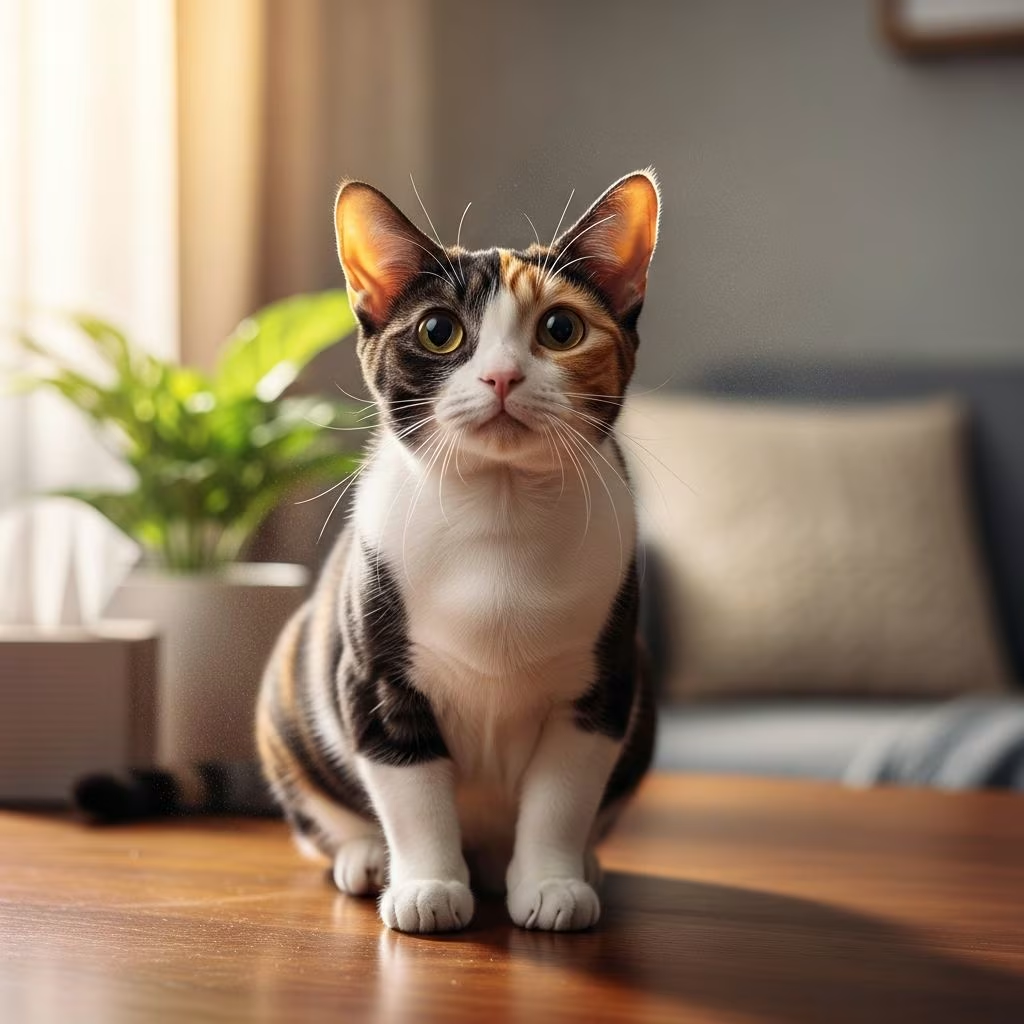
Manx cats, known for their distinctive tailless appearance and playful nature, can encounter various allergy-related issues, both as sufferers and triggers for human allergies. This guide delves into the science behind these sensitivities, offering practical advice for prevention and care.
Understanding Allergic Reactions in Manx Cats
Allergies in cats manifest when the immune system overreacts to harmless substances like pollen, dust, or food proteins. For Manx cats, their dense double coat can trap environmental allergens, exacerbating reactions. Common signs include excessive scratching, respiratory distress, and gastrointestinal upset. Early identification is crucial to prevent chronic conditions.
- Itchy skin: Redness and hair loss from constant grooming.
- Respiratory issues: Sneezing, wheezing, or coughing due to airborne irritants.
- Digestive problems: Vomiting or diarrhea linked to food sensitivities.
Manx cats may be prone to feline asthma, where airways inflame in response to allergens like dust mites or smoke. Veterinary diagnosis often involves allergy testing to pinpoint triggers.
Why Manx Cats Trigger Human Allergies
The primary culprit for cat allergies in humans is Fel d1, a protein produced in a cat’s salivary glands, sebaceous glands, and urine. Manx cats, despite lower shedding rates, distribute this protein via dander and saliva during self-grooming. Their plush coat, which thickens in winter, sheds seasonally, releasing trapped particles into the air.
| Allergen Factor | Manx Cat Rating (out of 10) | Impact on Humans |
|---|---|---|
| Shedding | 6 | Medium; seasonal increases airborne dander. |
| Dander Production | 6 | Low but persistent; microscopic flakes linger. |
| Fel d1 in Saliva | 8 | High exposure from grooming; primary trigger. |
| Breathing Allergy Risk | 7 | Triggers wheezing and congestion. |
| Skin Allergy Risk | 7 | Rashes from direct contact. |
Contrary to myths, no cat breed is fully hypoallergenic, including Manx. Their score hovers around 5/10 for allergy-friendliness, better than heavy shedders but not ideal for severe sensitivities.
Symptoms of Cat Allergies in Owners
Exposure to Manx cats can provoke immediate or delayed reactions. Highly sensitive individuals may experience symptoms within minutes of contact.
- Sneezing and runny nose from nasal inflammation.
- Itchy, watery eyes leading to redness.
- Skin hives or rashes upon petting.
- Respiratory symptoms like coughing or shortness of breath.
“Cat dander is the smallest among common allergens, remaining airborne for at least 30 minutes after disturbance.”
Skin contact with saliva-coated fur heightens risks, even without visible shedding.
Health Vulnerabilities Unique to Manx Cats
Beyond allergies, Manx cats face breed-specific issues that can mimic or worsen allergic responses. Manx Syndrome, stemming from spinal defects, causes neurological symptoms like hindquarter weakness, incontinence, and pain, sometimes confused with allergy-induced discomfort.
Other concerns include corneal dystrophy, leading to vision impairment, and lipidosis, a liver condition from obesity that presents with jaundice and lethargy. Routine health screenings are vital for ethical breeders to minimize these genetic risks.
Strategies for Managing Cat Allergies at Home
Creating an allergy-minimized environment benefits both cat and owner. Start with consistent grooming: brush Manx cats weekly to remove loose fur and dander, using tools that trap allergens.
- Bathe your cat monthly with hypoallergenic shampoo to reduce Fel d1 on the coat.
- Use HEPA air purifiers and vacuum with allergen filters daily.
- Wash bedding in hot water weekly; designate cat-free zones like bedrooms.
- Control humidity below 50% to deter dust mites.
For owners, antihistamines like cetirizine provide relief, while nasal corticosteroids target congestion. Immunotherapy shots or sublingual drops desensitize over time.
Nutritional Approaches to Reduce Allergens
Diet influences Fel d1 production. Proteins like chicken can trigger cat allergies; hydrolyzed diets break them down for tolerance. Supplements with omega-3 fatty acids soothe skin inflammations. For humans, avoiding cross-contaminated foods helps manage pet-induced flares.
Veterinary Interventions for Allergic Manx Cats
If symptoms persist, vets may prescribe apoquel for itching or bronchodilators for asthma. Environmental allergen tests identify culprits, guiding customized plans. Sneezing in young Manx, like in tortoiseshell variants, often signals mild allergies rather than infections.
Breeding and Adoption Considerations
Ethical breeders screen for Manx Syndrome and allergies, prioritizing health over tailless aesthetics. Adopting from shelters? Request medical histories and trial visits for allergy testing.
Frequently Asked Questions (FAQs)
Are Manx cats good for allergy sufferers?
No, they rate moderately (5/10) due to Fel d1 and seasonal shedding, though grooming helps.
How do I test my Manx for allergies?
Vets use skin or blood tests to detect reactions to common triggers like pollen or foods.
Can Manx cats have asthma?
Yes, this breed shows higher incidence; symptoms include wheezing from inhaled allergens.
What if my Manx sneezes constantly?
It could indicate allergies or upper respiratory issues; monitor and consult a vet promptly.
Is there a diet to lower Fel d1 in Manx cats?
Emerging foods bind Fel d1, reducing active allergens; discuss with your veterinarian.
Long-Term Wellness for Manx Cats and Families
Proactive care transforms allergy challenges into manageable routines. Regular vet check-ups, environmental tweaks, and owner education ensure Manx cats thrive alongside sensitive humans. By understanding Fel d1 dynamics and breed traits, families foster harmonious homes.
Manx cats’ low dander and grooming tolerance make them viable with diligence. Track symptoms via journals to refine strategies. Community forums offer peer tips, but always prioritize professional advice.
For severe cases, rehoming may be considered humanely, but most adapt successfully. Invest in quality air filtration and hypoallergenic bedding for sustained relief.
References
- Are Manx Cats Hypoallergenic? Tips for Allergic Families — Hypoallergenic Homes. 2023. https://hypoallergenichomes.com/cat-breeds/manx-hypoallergenic/
- Manx Cat Health Problems: 8 Vet-Reviewed Issues — Catster. 2024-05-15. https://www.catster.com/cat-health-care/manx-cat-health-problems/
- Pets, Dog and Cat Allergies | Symptoms & Treatment — ACAAI (American College of Allergy, Asthma & Immunology). 2025. https://acaai.org/allergies/allergic-conditions/pet-allergies/
- Allergy to Manx cat 101: Factors & Overview — Curex. 2024. https://getcurex.com/pet-101/is-manx-cat-hypoallergenic
- Manx Syndrome in Cats — PetMD. 2024-08-20. https://www.petmd.com/cat/conditions/genetic/manx-syndrome-cats
- Tips For Living With Cat Allergies — Petfinder. 2023. https://www.petfinder.com/cats-and-kittens/health-wellness/concerns/tips-for-living-with-cat-allergies/



