

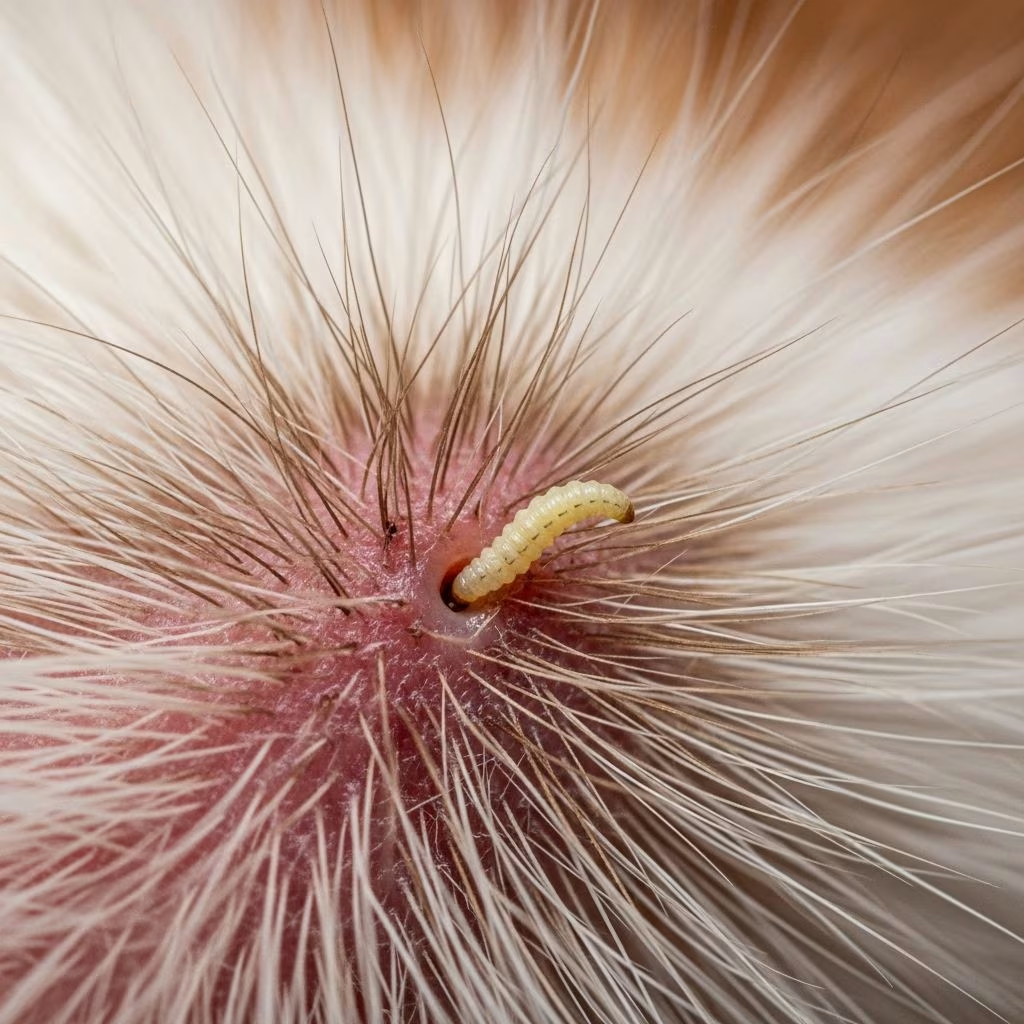
Mango worms, the larvae of the tumbu fly, pose a significant threat to dogs in tropical regions by burrowing into the skin and causing painful infestations known as cutaneous myiasis. These parasites primarily affect dogs through exposure to contaminated environments, leading to boils and secondary infections if untreated.
The Biology Behind Mango Worm Parasites
Mango worms originate from the Cordylobia anthropophaga, a blowfly species prevalent in sub-Saharan Africa. Adult flies lay eggs on damp soil, sand, or organic matter like feces and urine, which dogs readily contact during outdoor activities. The eggs hatch into larvae within hours, equipped with hooks and spines that enable them to penetrate mammalian skin swiftly upon contact.
Once inside, the larvae establish themselves just beneath the skin surface, creating a respiratory hole for oxygen exchange. They feed on surrounding tissues for 7-14 days, molting several times as they mature into 1-2 cm maggots. This process triggers the formation of boil-like lesions, distinguishing mango worm myiasis from other skin conditions. Unlike internal parasites, these are obligatory myiasis agents, meaning they require a living host to complete development.
Risk Factors and Transmission Pathways for Canines
Dogs acquire mango worms mainly by lying on infested ground in endemic areas such as rural parts of Africa. Warm, humid soils accelerate egg hatching, and larvae target thin-skinned areas like the belly, groin, legs, and neck where fur is sparse. Puppies under six months are particularly vulnerable due to immature immune responses and exploratory behaviors.
- Direct contact with egg-laden soil during rest or play.
- Adhesion of eggs to fur from brushing against vegetation.
- Secondary spread via shared bedding in kennels or multi-pet homes.
Traveling pet owners unknowingly import risks; even short visits to affected regions can result in infestations returning home. Rodents and other mammals serve as reservoirs, amplifying environmental contamination.
Identifying Infestation: Key Clinical Signs
Early mango worm presence is often subclinical, with larvae entering unnoticed. Symptoms emerge as boils develop, typically 3-10 days post-infection. Owners may first notice behavioral shifts before visible lesions.
| Stage | Symptoms in Dogs | Common Locations |
|---|---|---|
| Initial (Days 1-3) | Mild itching, restlessness | Belly, paws |
| Developing (Days 4-10) | Red pimples progressing to firm boils (1-2cm) with central black dot/hole | Legs, neck, back |
| Advanced (Post-Day 10) | Severe pain, pus discharge, fever, lethargy, loss of appetite | Clusters on trunk |
Dogs exhibit excessive licking, scratching, or self-trauma, potentially leading to hair loss and ulceration. Systemic signs like fever or gastrointestinal upset occur if multiple lesions cause bacteremia. Differential diagnoses include flea allergies, demodectic mange, or bacterial folliculitis, necessitating veterinary confirmation via larval extraction.
Professional Veterinary Interventions
Never attempt home removal, as incomplete extraction risks anaphylaxis or severe infections from larval remnants. Veterinary protocols prioritize safe expulsion, parasite killing, and wound management.
Injection-Based Expulsion
Vets administer subcutaneous injections of lidocaine and epinephrine around lesions. The fluid pressure hydraulically ejects larvae, minimizing tissue damage. This method suits single or accessible boils.
Suffocation Techniques
After scab removal, occlusive agents like petroleum jelly, sterile wax, or paraffin oil smother larvae by blocking their breathing pores. Larvae surface for air and are gently expressed.
Surgical and Pharmacological Aids
For embedded or clustered worms, vets use sterile forceps post-anesthesia. Broad-spectrum antiparasitics like ivermectin target unseen larvae, while antibiotics (e.g., amoxicillin-clavulanate) prevent secondary bacterial overgrowth from larval excretions. Chlorhexidine shampoos aid in heavy infestations.
Post-treatment monitoring includes daily cleaning and Elizabethan collars to deter self-mutilation. Recovery spans 1-2 weeks, with most dogs showing full resolution absent complications.
Preventive Measures for At-Risk Dogs
Proactive strategies reduce exposure in endemic zones:
- Avoid high-risk substrates: Use raised bedding, tarps, or concrete surfaces for resting dogs.
- Grooming routines: Daily checks and baths with insect-repellent shampoos remove adherent eggs.
- Topical barriers: Permethrin-based spot-ons or sprays deter larval penetration (avoid cats).
- Environmental control: Bury feces promptly; apply insecticide to yards.
- Travel prep: Consult vets pre-trip for prophylactic antiparasitics.
Puppy vaccinations and flea preventives bolster immunity, though no mango worm-specific vaccine exists. Pet insurance covers treatment costs, often exceeding $200-500 per case.
Global Distribution and Emerging Concerns
While native to Africa, climate change and pet travel expand mango worm ranges. Cases appear in Europe and the Americas via imported dogs. Public health overlaps exist, as humans suffer similar boils, emphasizing zoonotic awareness. Owners importing strays should quarantine and screen rigorously.
FAQs on Mango Worms in Dogs
Can mango worms kill dogs?
Rarely directly, but untreated infestations lead to sepsis, especially in immunocompromised or young dogs.
How long do mango worms live in dog skin?
Approximately 1-2 weeks until maturation and emergence.
Are mango worms contagious between dogs?
No, but shared environments facilitate simultaneous infections.
What home remedies work?
None reliably; vet care is essential to avoid complications.
Do flea preventives stop mango worms?
Some with larval control (e.g., those containing fipronil) offer partial protection.
Long-Term Care After Infestation
Survivors benefit from nutritional support to heal skin—high-protein diets with omega-3s reduce inflammation. Regular vet follow-ups screen for scarring or recurrence. Educating communities in endemic areas via awareness campaigns curbs incidence.
By understanding mango worm dynamics, owners empower timely interventions, ensuring pets thrive parasite-free.
References
- Mango Worms in Dogs: Symptoms, Causes, and Treatments — Wild Earth. 2023. https://wildearth.com/blogs/dog-knowledge/mango-worms-in-dogs
- Mango Worms in Dogs: How to Remove, Treat and Prevent — YouTube (Video Transcript). 2023. https://www.youtube.com/watch?v=5F9oky4LF-4
- What are mango worms: Can you or your dog get these nightmarish parasites? — Times of India. 2024-10-01. https://timesofindia.indiatimes.com/life-style/relationships/pets/what-are-mango-worms-can-you-or-your-dog-get-these-nightmarish-parasites/articleshow/126134196.cms
- Preventing Mango Worms in Dogs — Petcube. 2023. https://petcube.com/blog/mango-worms-in-dogs/
- Mango Fly Worms: How to Spot and Eliminate them — Bravecto Blog. 2023. https://blog.bravecto.co.za/ticks-on-dogs/mango-fly-worms-how-to-spot-and-eliminate-them/
- How Do Dogs Get Mango Worms? Vet Reviewed Facts — Dogster. 2024. https://www.dogster.com/dog-health-care/how-do-dogs-get-mango-worms
- Mango Fly Infestation: Pictures, Symptoms, Treatment, Prevention — Healthline. 2023-05-15. https://www.healthline.com/health/mango-fly



