

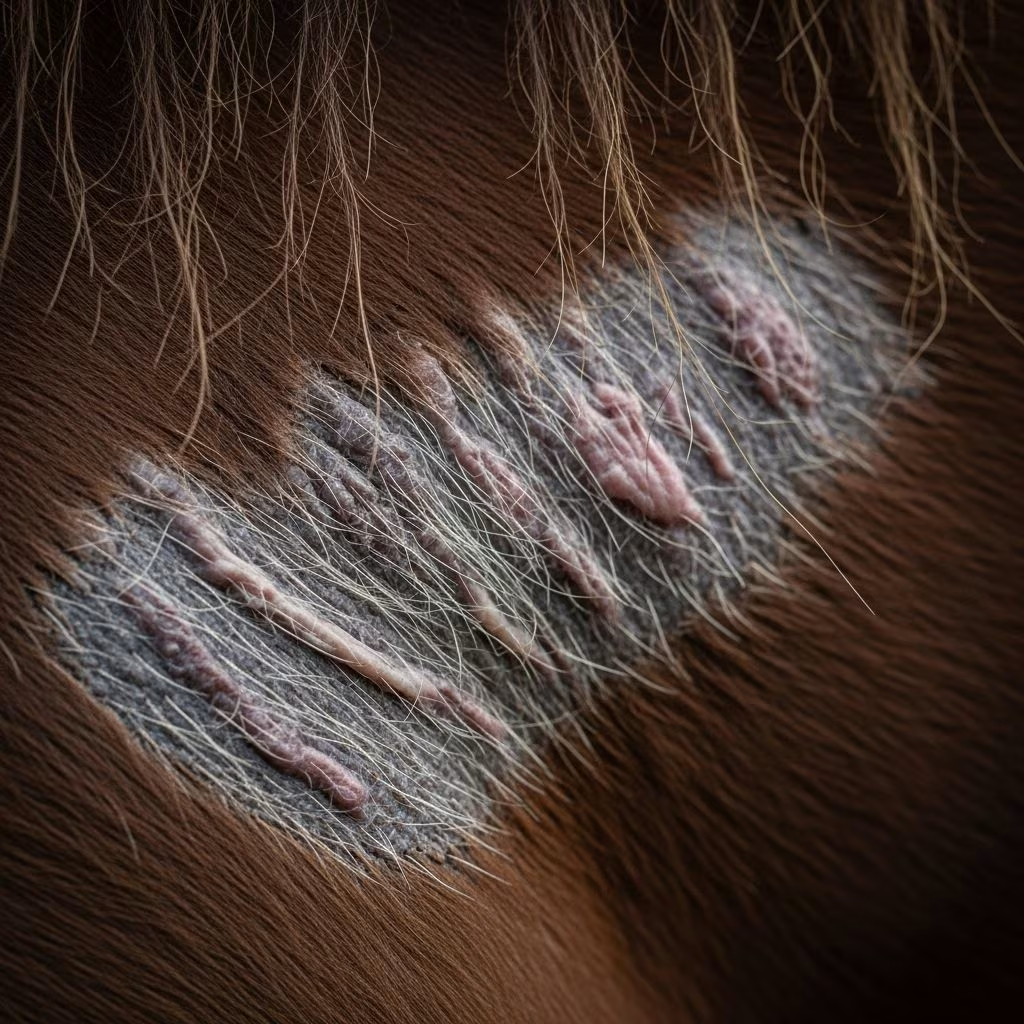
Mange represents a significant dermatological challenge for horse owners, stemming from parasitic mite infestations that target the skin. These conditions vary in severity and location but share common traits like irritation and potential for secondary complications. Early recognition and intervention are crucial to prevent widespread issues and ensure equine comfort.
Understanding the Nature of Equine Mange
Mange, or acariasis, occurs when mites burrow into or reside on a horse’s skin, triggering inflammatory responses. Unlike bacterial or fungal infections, mange is purely parasitic, often exacerbated by environmental factors such as cold weather or poor hygiene. Horses in crowded or unsanitary conditions face higher risks, as mites can spread rapidly through direct contact or shared bedding.
These parasites thrive in specific niches: some prefer hairy areas, others the legs or thin-skinned regions. Their life cycles involve eggs, larvae, and adults, necessitating repeated treatments to break the cycle. While not always fatal, untreated mange leads to discomfort, weight loss, and vulnerability to infections.
Primary Types of Mite Infestations in Equines
Horses can suffer from several mange variants, each caused by distinct mite species with unique behaviors and impacts.
Chorioptic Mange: The Prevalent Leg Infestation
Chorioptic mange, induced by Chorioptes bovis, stands as the most frequent form, particularly in draft breeds with feathered legs. It initiates with intense itching around the hind fetlocks and pasterns, progressing to papules, crusts, and skin thickening. Symptoms intensify in winter due to the mites’ preference for moist, haired skin.
Horses exhibit foot stomping, rubbing against objects, and restlessness. Without intervention, lesions spread upward but typically recede in summer. Clipping feathers aids treatment efficacy.
Sarcoptic Mange: Aggressive Body-Wide Scabies
Rarer yet more virulent, sarcoptic mange from Sarcoptes scabiei var. equi causes hypersensitivity to mite products, resulting in severe pruritus across the body. Initial signs appear on head, neck, flanks, and abdomen as bald patches and sores from self-trauma.
This highly contagious form demands quarantine and comprehensive treatment of all in-contact animals to curb outbreaks.
Psoroptic Mange: Targeting Hairy Regions
Psoroptic mites like Psoroptes ovis and P. cuniculi favor densely haired spots such as manes, tails, and axillae. Infestations yield exudative lesions, crusts, and occasionally ear issues like head shaking. Though uncommon in horses, they provoke significant discomfort.
Demodectic Mange: A Sign of Immune Weakness
Demodex species cause demodectic mange, rare in horses and linked to immunosuppression from conditions like Cushing’s disease or prolonged steroids. Manifesting as nodular alopecia on face, neck, and limbs without itching, it often resolves spontaneously but may require addressing underlying health issues.
Other Mite-Related Issues: Harvest and Straw Itch
Trombiculid mites provoke seasonal, intensely pruritic papules on face and feet. These are transient but demand symptomatic relief to avert self-injury.
Recognizing Symptoms Across Mange Types
- Pruritus: Primary indicator, ranging from mild rubbing to frantic stomping and self-mutilation.
- Dermatological Changes: Alopecia, crusting, hyperkeratosis, and papules.
- Behavioral Shifts: Agitation, weight loss from discomfort, and avoidance of touch.
- Secondary Problems: Bacterial infections from excoriations, leading to oozing or foul odors.
Symptom severity correlates with mite type and horse immunity. Differential diagnoses include ringworm, allergies, or lice, underscoring veterinary skin scrapings for confirmation.
Diagnostic Approaches for Accurate Identification
Veterinarians employ deep skin scrapings, tape preps, or biopsies to visualize mites. Microscopic exam reveals species-specific traits: chorioptes with jointed pretarsi, sarcoptes burrowing invisibly. History of exposure, seasonal patterns, and lesion distribution guide suspicions. In demodex cases, follicle searches are key.
| Mange Type | Key Diagnostic Feature | Common Sites |
|---|---|---|
| Chorioptic | Mites on surface scrapings | Hind legs, fetlocks |
| Sarcoptic | Burrow scrapings needed | Body, head, flanks |
| Psoroptic | Exudative crusts | Mane, tail base |
| Demodectic | deep follicle mites | Face, shoulders |
Effective Treatment Strategies
Treatment hinges on mite type, extent, and horse status. Combine parasiticide with supportive care.
Topical Therapies
Hot lime sulfur dips or sprays, diluted per label, are staples for chorioptic, psoroptic, and sarcoptic mange. Apply every 12-14 days for 4-6 treatments, clipping hair first. Permethrin sprays offer alternatives for accessible areas.
Systemic Antiparasitics
Off-label oral ivermectin (200 mcg/kg, two doses 14 days apart) or moxidectin (400 mcg/kg single dose) excel against multiple types. These macrocyclic lactones target mites effectively, per field studies.
Supportive and Adjunctive Measures
- Glucocorticoids for severe itch, cautiously to avoid immunosuppression.
- Antibiotics for secondary pyodermas.
- Probiotics or immune boosters for demodex cases.
- Environmental decontamination: discard bedding, disinfect stalls.
Treat all herd mates prophylactically in contagious forms. Monitor for 4-6 weeks post-treatment.
Prevention: Proactive Steps for Mite-Free Herds
Minimize risks through hygiene: regular grooming, clean bedding, and avoiding overcrowding. Quarantine newcomers for 2-3 weeks. Draft horses benefit from feather trimming in winter. Nutritional balance bolsters immunity, reducing demodex susceptibility. Routine vet checks catch early signs.
Prognosis and Long-Term Management
Most cases resolve with diligent treatment, though chorioptic may recur seasonally. Sarcoptic demands vigilance due to contagion. Demodex often self-limits if immunity improves. Owners should track herd health to preempt outbreaks.
Frequently Asked Questions (FAQs)
Can humans catch mange from horses?
Sarcoptic mange is zoonotic, potentially causing temporary itchy rashes in handlers, but does not persist in humans.
How long does treatment take?
Typically 4-8 weeks with repeated applications; full recovery varies by severity.
Is mange fatal in horses?
Rarely, but neglect can lead to debilitation, sepsis, or euthanasia in extreme cases.
Are natural remedies effective?
Aloe vera or oils soothe but lack parasiticide potency; vet-approved options are superior.
Which breeds are most affected?
Drafts with feathers for chorioptic; all breeds for others, especially compromised ones.
References
- Mange in Horses | PetMD — PetMD. 2023. https://www.petmd.com/horse/conditions/skin/mange-in-horses
- Horse Demodectic Mange Treatment NZ | Probiotic Spray – MicroMed — MicroMed. 2023. https://micromed.org.nz/pages/horse-demodectic-mange-treatment-nz
- Mange (Acariasis, Mange Mites) in Horses – MSD Veterinary Manual — MSD Veterinary Manual. 2024-01-15. https://www.msdvetmanual.com/horse-owners/skin-disorders-of-horses/mange-acariasis-mange-mites-in-horses
- Mange in Horses – Integumentary System – Merck Veterinary Manual — Merck Veterinary Manual. 2024-02-01. https://www.merckvetmanual.com/integumentary-system/mange/mange-in-horses
- May Newsletter: What Is Mange and How Can a Veterinarian Help? — HAH Pets. 2023-05-01. https://www.hahpets.com/articles/993353-may-newsletter-what-is-mange-and-how-can-a-veterinarian-help



