

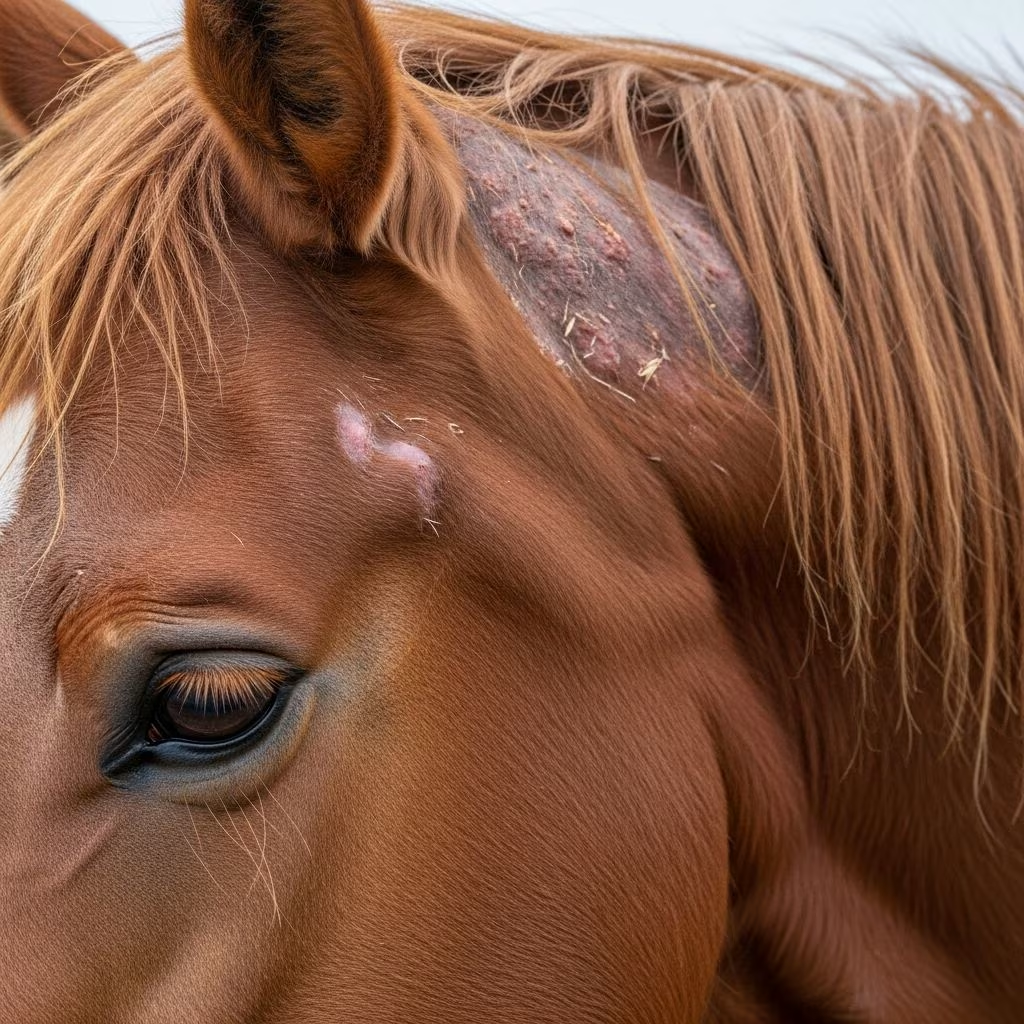
Mange represents a parasitic skin affliction in horses triggered by various mite species, resulting in pronounced discomfort and visible dermatological changes. Horse owners must recognize early indicators to facilitate swift intervention and curb transmission within herds.
Understanding the Nature of Equine Mange
At its core, equine mange arises from infestations by burrowing or surface-dwelling mites that provoke hypersensitivity reactions in the host’s skin. These parasites disrupt the epidermal barrier, fostering inflammation and secondary complications. Unlike superficial irritations, mange demands targeted parasitological management to restore dermal integrity.
Mites thrive in environments conducive to their lifecycle, such as cooler seasons or overcrowded stables, exploiting direct contact or fomites for dissemination. This contagious profile underscores the imperative for vigilant biosecurity in equine facilities.
Primary Types of Mite Infestations in Horses
Diverse mite genera inflict distinct manifestations on equine integument. Categorizing these aids precise diagnosis and therapy selection.
- Sarcoptic Mange: Induced by Sarcoptes scabiei var. equi, this variant initiates with acute pruritus on the head, neck, and withers. Lesions evolve from papules to encrusted plaques, with potential systemic debilitation if protracted.
- Chorioptic Mange: Chorioptes bovis predominates in distal limbs, exacerbating in winter via pastern dermatitis. Seasonal remission occurs amid warmer climes.
- Psoroptic Mange: Caused by Psoroptes ovis, this scarce form targets trunk and saddle regions; regulatory eradications have curtailed its prevalence in select locales.
- Demodectic Mange: Demodex spp. reside in follicles, seldom symptomatic but may surface in immunocompromised equids.
- Trombiculid Mites: Larvae of chiggers provoke seasonal petechiae in humid tropics, yielding wheals prone to excoriation.
Recognizing Clinical Manifestations
Symptoms uniformly commence with intractable itching, compelling self-trauma via rubbing or biting. Observable sequelae encompass alopecia, hyperkeratosis, lichenification, and serosanguinous exudates. Affected zones vary by mite: proximal for sarcoptes, caudal for psoroptes, pedal for chorioptes.
| Symptom | Associated Mite Type | Common Locations |
|---|---|---|
| Intense pruritus | All types | Head, limbs, trunk |
| Alopecia with crusts | Sarcoptic, Chorioptic | Neck, pasterns |
| Skin thickening | Chronic cases | Shoulders, fetlocks |
| Wheals and papules | Trombiculid | Face, feet |
| Secondary pyoderma | Any untreated | Excoriated sites |
Appetite suppression and emaciation may ensue in severe, disseminated instances, mimicking nutritional deficits or endocrinopathies. Differential diagnoses include allergic dermatoses, onchocerciasis, or fungal infections, necessitating dermatoscopy or deep skin scrapings for confirmation.
Veterinary Diagnostic Approaches
Diagnosis hinges on history, lesion morphology, and parasitological exams. Superficial scrapings detect surface mites like chorioptes; deeper incisions unearth sarcoptes. Trichograms assess follicular involvement, while biopsies delineate hypersensitivity components. Isolation mandates quarantine to avert herd-wide outbreaks.
Therapeutic Interventions for Mite Eradication
Treatment paradigms integrate acaricidal agents, adjunctive therapies, and environmental decontamination. Efficacy pivots on mite penetration depth and lifecycle stage.
- Systemic Macrocyclics: Ivermectin or moxidectin orally targets psoroptic, sarcoptic, and chorioptic forms, administered at 0.2 mg/kg, repeatable per label.
- Topical Lime Sulfur: Diluted dips (2-4%) applied biweekly eradicate chorioptes; clip perilesional hair to enhance penetration.
- Pyrethroids: Sprays ablate trombiculid larvae; synergize with glucocorticoids for pruritus abatement.
- Supportive Care: Antimicrobials combat pyoderma; emollients promote re-epithelialization.
Off-label extrapolations from ruminant protocols apply judiciously under supervision. Monitor for resistance emergence, particularly in endemic foci.
Preventive Strategies to Safeguard Herds
Prophylaxis eclipses remediation via multifaceted biosecurity. Quarantine imports for 3 weeks with parasitological surveillance. Disinfect tack, grooming tools, and bedding via heat or acaricides. Seasonal limb hosing mitigates chorioptic reservoirs in muddy paddocks.
- Implement fly control to deter vectors.
- Foster nutrition optimizing immunity.
- Conduct routine dermatological inspections.
Seasonal and Environmental Influences
Mange flares correlate with photoperiod and humidity: chorioptes surges autumnally, trombiculids in monsoons. Stable hygiene curtails fomite transmission; pastured equids demand vigilant surveillance post-confinement.
Prognosis and Long-Term Management
With prompt acaricide deployment, resolution attains within 4-6 weeks; chronicity invites fibrosis. Recrudescence risks persist sans source elimination. Herd health protocols fortify resilience against reinvasion.
Frequently Asked Questions
Is horse mange contagious to humans?
Rarely; sarcoptes may induce transient pruritus but cannot complete lifecycle on people.
How long does treatment take?
Typically 2-4 applications spaced 10-14 days, contingent on response.
Can mange resolve without treatment?
Chorioptic variants may remit seasonally, but sarcoptic demands intervention to avert perpetuation.
What home remedies work?
None reliably; veterinary oversight ensures safe, efficacious control.
Does mange affect performance horses?
Yes, via discomfort and infection risk; preempt with hygiene.
References
- Mange in Horses – Integumentary System — Merck Veterinary Manual. 2023. https://www.merckvetmanual.com/integumentary-system/mange/mange-in-horses
- Mange in Horses — MSD Veterinary Manual. 2023. https://www.msdvetmanual.com/integumentary-system/mange/mange-in-horses
- Mange in Horses: Signs, Treatment & Prevention — Mad Barn. 2024-01-15. https://madbarn.com/mange-in-horses/
- Mange in Horses — PetMD. 2023-05-20. https://www.petmd.com/horse/conditions/skin/mange-in-horses
- Vet Guide: Preventing and Controlling Mange in Horses 2025 Types — Askavet. 2025-01-10. https://askavet.com/blogs/news/vet-guide-preventing-and-controlling-mange-in-horses-%F0%9F%90%B4-2025-types-symptoms-treatment-options



