

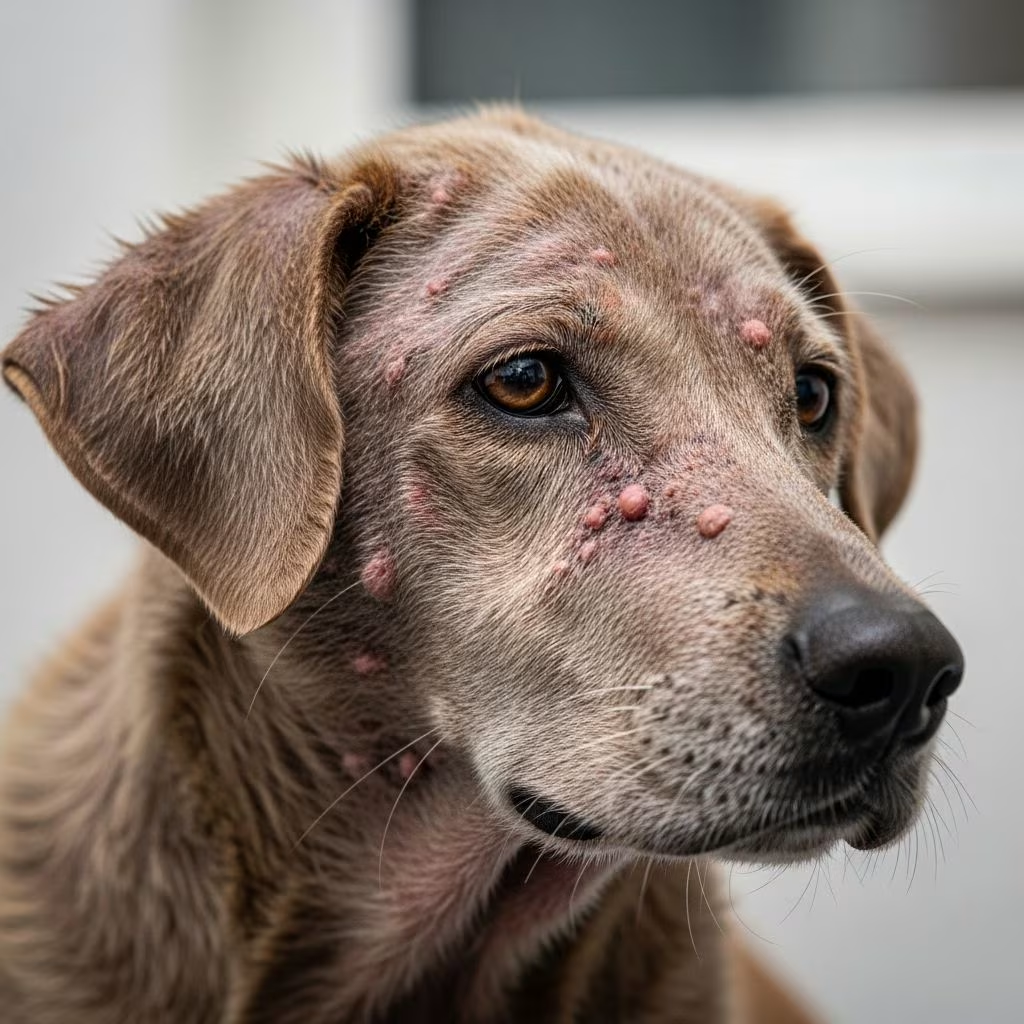
Mange represents one of the most common parasitic skin afflictions affecting dogs, resulting from infestations of microscopic mites that burrow into the skin or proliferate in hair follicles. This condition manifests through severe discomfort, visible dermatological changes, and potential secondary complications if not addressed promptly. Dog owners must recognize early indicators to facilitate timely veterinary intervention, which typically leads to complete resolution with appropriate care.
Understanding the Nature of Canine Mange
At its core, mange disrupts the skin’s integrity, triggering inflammatory responses that exacerbate symptoms. Mites responsible for this disorder either tunnel through epidermal layers or overpopulate follicles normally harboring small populations in healthy canines. The condition’s severity hinges on the mite species involved, the extent of infestation, and the host’s immune competence. Puppies, seniors, and immunocompromised dogs face heightened vulnerability, underscoring the importance of vigilant monitoring in at-risk populations.
Primary Types of Mange Affecting Dogs
Two predominant forms dominate canine mange cases: sarcoptic and demodectic, each driven by distinct mite varieties with unique transmission dynamics and clinical profiles.
Sarcoptic Mange: The Highly Contagious Threat
Sarcoptic mange, often termed scabies, stems from Sarcoptes scabiei mites that excavate burrows within the skin, eliciting profound pruritus. This variant spreads readily via direct contact with infested animals, including foxes and other wildlife, or fomites like shared bedding. Humans may experience transient irritation from these mites, though they cannot sustain infestation on people.
Demodectic Mange: An Immune-Mediated Issue
Demodectic mange arises from Demodex species mites, cigar-shaped organisms residing in sebaceous glands and follicles from birth. Normally innocuous, their unchecked proliferation signals underlying immunosuppression, commonly in juveniles or dogs with concurrent illnesses. Unlike sarcoptic, this form lacks contagiousness among dogs or to humans.
Recognizing Symptoms: Key Indicators to Watch For
Manifestations vary by type but universally impair quality of life through discomfort and cosmetic deterioration. Owners should inspect for these hallmarks:
- Intense itching (pruritus): Dogs incessantly scratch, chew, or lick affected zones, particularly in sarcoptic cases.
- Hair loss (alopecia): Patchy baldness progresses to widespread thinning, favoring ears, elbows, hocks, and abdomen.
- Crusty, inflamed skin: Redness, scabs, scaling, and weeping sores emerge, inviting bacterial or yeast overgrowth.
- Thickened or darkened skin: Chronic untreated cases yield hyperpigmentation and lichenification.
- Behavioral shifts: Lethargy, restlessness, and appetite loss accompany advanced disease.
Demodectic presentations often localize initially around facial areas and paws, with milder itchiness, whereas sarcoptic escalates rapidly body-wide.
Risk Factors and Transmission Pathways
Several predispositions amplify susceptibility:
| Risk Factor | Associated Mange Type | Details |
|---|---|---|
| Immune suppression | Demodectic | Puppies under 18 months, seniors, stressed or ill dogs. |
| Crowded environments | Sarcoptic | Shelters, kennels, multi-pet homes. |
| Poor nutrition | Both | Deficiencies impair skin barrier and immunity. |
| Contact with wildlife | Sarcoptic | Foxes, coyotes harbor reservoirs. |
Sarcoptic mites transmit via proximity or contaminated objects; demodectic does not, emphasizing type-specific precautions.
Diagnostic Approaches in Veterinary Practice
Veterinarians employ multiple modalities for confirmation:
- Skin scrapings: Deep samples reveal mites under microscopy; negative results do not preclude sarcoptic due to sampling challenges.
- Response trials: Itch alleviation post-miticide supports sarcoptic diagnosis.
- Ancillary tests: Bloodwork, imaging probe immunosuppression in demodectic cases.
Early diagnosis curtails progression, averting chronicity.
Treatment Protocols: Veterinary and Supportive Care
Therapy tailors to type, severity, and complications, invariably requiring professional oversight. Home remedies alone prove inadequate and risky.
Pharmacological Interventions
Antiparasitics: Isoxazolines (e.g., fluralaner, afoxolaner) or macrocyclic lactones (milbemycin, moxidectin) eradicate mites orally or topically. Breed sensitivities, notably MDR1 mutation in herding dogs, necessitate caution with ivermectin.
Topicals: Medicated shampoos, lime-sulfur dips, or amitraz address cutaneous burdens and soothe.
Adjuncts: Antibiotics combat pyoderma; anti-inflammatories alleviate pruritus.
Duration and Monitoring
Regimens span 4-8 weeks, with serial scrapings verifying clearance. Relapses signal incomplete therapy or comorbidities.
Environmental and Home Management Strategies
- Disinfect premises for sarcoptic: Hot-wash bedding, vacuum thoroughly.
- Bathe routinely with vet-prescribed products.
- Prevent self-trauma via e-collars.
- Nutritional bolstering: Omega-3s, high-quality proteins aid integument repair.
Preventive Measures for Long-Term Protection
Proactive steps mitigate recurrence:
- Monthly parasiticide prophylactics.
- Quarantine newcomers.
- Robust immunity via balanced diet, vaccinations, stress minimization.
- Avoid wildlife interaction.
Demodectic-prone breeds benefit from spay/neuter to avert hereditary transmission.
Prognosis and Potential Complications
With compliant treatment, prognosis excels; most resolve fully within weeks. Untreated, mange fosters sepsis, emaciation, or fatality via unchecked infections. Chronic demodectic hints at systemic disease warranting investigation.
Frequently Asked Questions (FAQs)
Can humans catch mange from dogs?
Sarcoptic mites may induce temporary itching in people, but infestation does not persist. Demodectic poses no zoonotic risk. Consult a physician if affected.
How long does mange treatment take?
Typically 4-6 weeks, extendable in generalized cases. Adherence ensures success.
Is mange contagious to other pets?
Sarcoptic yes; demodectic no.
Can mange be cured without a vet?
No; professional diagnosis and prescription are essential.
What breeds are prone to demodectic mange?
Those with genetic predispositions like Bulldogs, Shar-Peis, but any immunocompromised dog.
This guide equips owners with knowledge to combat mange effectively, prioritizing veterinary collaboration for optimal outcomes.
References
- Mange in Dogs – Causes, Treatments & Prevention — YuMOVE. 2023. https://yumove.co.uk/blogs/dog-expert-advice/mange-in-dogs
- Mange in Dogs: Symptoms, Causes, and Treatment — Spot & Tango. 2023. https://www.spotandtango.com/blog/mange-in-dogs
- Demodectic mange in dogs and cats: diagnosis and treatment — Vets and Clinics. 2023. https://www.vetsandclinics.com/es/biblioteca/demodectic-mange-in-dogs-and-cats-diagnosis-and-treatment
- Mange in Dogs: Symptoms, Causes and Treatment — PetMD. 2025-01-15. https://www.petmd.com/dog/conditions/skin/mange-dogs
- Mange in Dogs: Signs, Symptoms & Treatment — Purina. 2023. https://www.purina.com/articles/dog/health/parasites/mange-in-dogs
- What is Dog Mange — Hill’s Pet. 2023. https://www.hillspet.co.uk/dog-care/healthcare/what-is-dog-mange
- Mite Infestation (Mange, Acariasis, Scabies) in Dogs — MSD Veterinary Manual. 2024. https://www.msdvetmanual.com/dog-owners/skin-disorders-of-dogs/mite-infestation-mange-acariasis-scabies-in-dogs



