

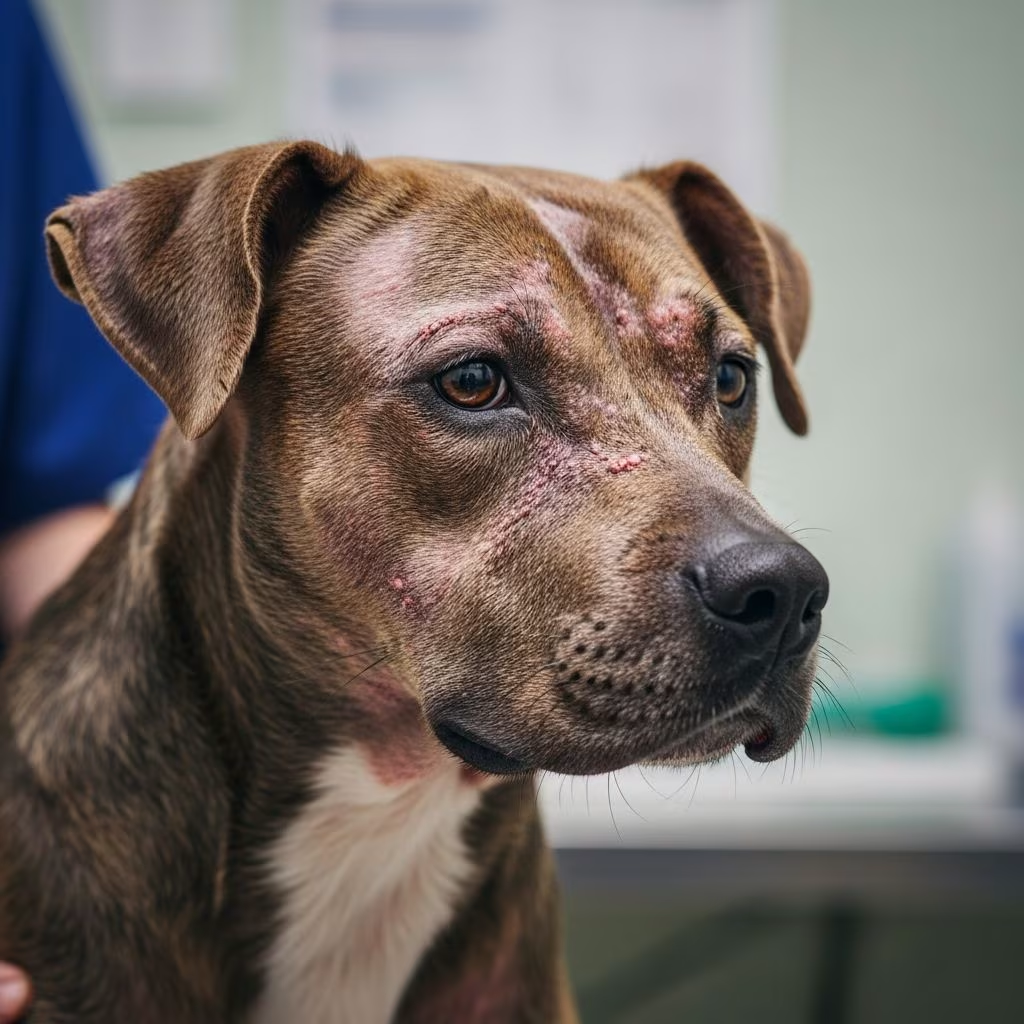
Mange in Dogs: Symptoms, Causes and Treatment
Mange is a common and frustrating skin condition that affects many dogs. It’s caused by microscopic mites that invade a dog’s skin, leading to intense itching, hair loss, and secondary infections. Understanding mange—its types, symptoms, and treatment options—is essential for any dog owner. With proper veterinary care and appropriate treatment, most dogs with mange can make a full recovery.
What is Mange?
Mange is a parasitic skin disease caused by microscopic mites that burrow into or live on your dog’s skin and hair follicles. These mites trigger inflammation and irritation, resulting in severe itching, hair loss, and skin lesions. The condition can range from mild localized patches to severe generalized infections affecting the entire body. If left untreated, mange can lead to serious complications including secondary bacterial infections, systemic illness, and in extreme cases, can be fatal.
Types of Mange in Dogs
There are two main types of mange that affect dogs, each with distinct characteristics and treatment approaches:
Demodectic Mange (Red Mange)
Demodectic mange is caused by the Demodex mite and is typically non-contagious. This type occurs when a dog’s immune system is weakened or immature, allowing the mites that naturally live on a dog’s skin to proliferate uncontrollably. Demodectic mange most commonly affects puppies and young dogs whose immune systems are still developing, or older dogs with underlying health conditions that compromise immunity. The condition can appear in two forms: localized (affecting small areas) or generalized (spreading across the body).
Sarcoptic Mange (Scabies)
Sarcoptic mange is caused by the Sarcoptes mite and is highly contagious to other dogs and can even spread to humans. This type causes intense, almost unbearable itching and can spread rapidly throughout a dog’s coat. Sarcoptic mange requires immediate treatment and isolation from other pets to prevent transmission.
Symptoms and Signs of Mange
The symptoms of mange vary depending on the type and severity of infection. Common signs include:
- Intense and persistent itching
- Hair loss (alopecia) that may be patchy or widespread
- Redness and skin irritation
- Scabs and crusty skin lesions
- Hyperpigmentation (darkening of the skin)
- Yellow crusts and oozing sores
- Oily dandruff (seborrhea) in chronic cases
- Thickened, wrinkled skin with severe buildup
- Secondary yeast or bacterial infections
Symptoms typically appear first on the abdomen, chest, ears, elbows, and legs before potentially spreading to other areas if untreated. In severe cases, dogs may become emaciated and develop life-threatening complications.
Causes and Risk Factors
Understanding what causes mange is important for prevention and management. The primary cause is exposure to mange mites, but several factors increase a dog’s susceptibility:
- Weak immune system: Puppies with immature immune systems and senior dogs with compromised immunity are most susceptible to demodectic mange
- Stress: Stress can suppress immune function and trigger flare-ups in predisposed dogs
- Poor nutrition: Inadequate diet lacking essential nutrients weakens the immune response
- Contact with infected animals: Direct contact with dogs carrying sarcoptic mange increases transmission risk
- Underlying health conditions: Systemic illnesses and hormonal imbalances can predispose dogs to mange
- Poor sanitation: Living in unsanitary conditions increases mite exposure and infection risk
Diagnosis
Proper diagnosis is crucial because mange symptoms can mimic other skin conditions. Your veterinarian will perform several diagnostic steps:
- Physical examination: Your vet will examine your dog’s skin for characteristic lesions and signs
- Skin scraping: A sample is collected by gently scraping the skin and examined under a microscope to identify mites
- Fungal culture: May be performed to rule out ringworm or other fungal infections
- Bacterial culture: If secondary infections are suspected, culture helps identify the organism and appropriate antibiotics
The only way to definitively confirm mange—whether demodectic or sarcoptic—is through veterinary diagnosis. Never attempt home diagnosis, as several other conditions including allergic dermatitis, ringworm, yeast infections, and pyoderma present similarly.
Dog Mange Treatment
Treatment of mange in dogs requires professional veterinary care and is tailored based on the type and severity of infection. A comprehensive approach typically includes multiple treatment components:
Antiparasitic Medications
These are the cornerstone of mange treatment and come in several forms:
Prescription Oral Medications: Isoxazoline class medications like Bravecto, Simparica, and Nexgard have revolutionized mange treatment. These monthly oral preventatives are highly effective against both types of mange mites and are often the first-line treatment veterinarians recommend. They work by attacking the nervous systems of mites while remaining safe for dogs. According to veterinary research, isoxazoline medications have shown 99.8% efficacy against sarcoptic mange mites with a single dose, representing a significant advancement in treatment options.
Alternative Oral Options: For particularly stubborn cases, ivermectin may be prescribed and administered orally at gradually increasing doses. This requires careful veterinary oversight due to potential toxicity in certain breeds with MDR1 gene mutations, including Collies, Shetland Sheepdogs, and Australian Shepherds. Other oral options include milbemycin oxime and afoxolaner.
Topical Treatments: Prescription topical treatments may include medicated dips containing lime sulfur, amitraz, or permethrin, typically applied weekly under veterinary guidance. Topical spot-on treatments like selamectin or imidacloprid-moxidectin are easier to apply and effective for sarcoptic mange, usually applied monthly.
Medicated Shampoos and Baths
Medicated shampoos containing antiseborrheic ingredients help remove crusts and dirt from the skin. Hair clipping may be necessary to allow better medication penetration. Supportive home care includes colloidal oatmeal baths, which can provide temporary relief from itching and inflammation. The natural compounds in oatmeal soothe irritated skin and create a protective moisture barrier. Baths should last 10-15 minutes in warm water, with dogs patted dry gently rather than rubbed, to avoid further skin irritation.
Anti-inflammatory Medications
To control intense itching and inflammation, veterinarians often prescribe anti-inflammatory medications. Short-term corticosteroids like prednisone provide rapid relief, while newer options like Apoquel (oclacitinib) or Cytopoint injections target the itch pathway more specifically with fewer side effects. These medications allow skin healing and prevent self-trauma from constant scratching.
Antibiotics for Secondary Infections
Dogs with mange often develop secondary bacterial skin infections (pyoderma) from constant scratching and compromised skin barriers. Your veterinarian may prescribe antibiotics like cephalexin, amoxicillin-clavulanate, or longer courses based on culture and sensitivity testing for deep pyoderma. In some cases, Convenia may be recommended for treatment of secondary infections.
Supportive Care
Nutrition and Supplements: Enhancing your dog’s diet with immune-boosting nutrients supports recovery, particularly for demodectic mange. Omega-3 fatty acids from fish oil have anti-inflammatory properties that reduce skin inflammation and promote healing. Adequate protein is essential for skin repair, while vitamins E and A support skin health. Some owners report improvements with probiotics that may strengthen immunity.
Stress Reduction: Stress can suppress immune function and trigger demodectic mange flare-ups. Minimize stressful situations and provide a stable environment. When major changes are unavoidable, work with your veterinarian on preventive strategies. Behavioral modification techniques and environmental enrichment may help reduce stress levels.
Protective Equipment
A cone or protective suit may be recommended during treatment and recovery to prevent further self-trauma from scratching.
Treatment Timeline and Recovery
Treatment duration varies by type and severity. Sarcoptic mange typically clears within a month with appropriate treatment. Demodectic mange may require longer treatment periods. Most dogs can expect full recovery with appropriate therapy, though chronic cases may result from underlying systemic illness or secondary infections. Proper completion of the full treatment course is essential for success.
Prevention and Environmental Management
Prevention strategies depend on the mange type. For sarcoptic mange, all dogs and animals in contact with the infected dog require treatment, and the environment must be thoroughly cleaned and disinfected. Bedding, toys, and surfaces should be treated to eliminate mites.
For demodectic mange, environmental cleaning is not necessary since it’s non-contagious, though a monthly or tri-monthly miticidal preventative is still recommended. All dogs in the environment should remain on monthly or tri-monthly preventatives to avoid infection and re-infestation.
When to See a Veterinarian
Mange cannot be treated at home—affected dogs should be seen by a veterinarian for proper treatment. Contact your vet if your dog shows signs of intense itching, hair loss, skin lesions, or if symptoms worsen despite home care. Early professional intervention significantly improves outcomes.
Prognosis
With appropriate treatment and management of underlying conditions, the prognosis for mange is generally excellent. However, mange can be fatal when dogs receive incorrect therapy or when underlying medical conditions are not properly managed. Chronic cases may require ongoing management but can usually be controlled with consistent preventative care.
Frequently Asked Questions
Q: Is mange contagious to other dogs?
A: Demodectic mange is not contagious to other dogs, but sarcoptic mange is highly contagious. All dogs in contact with a sarcoptic mange-infected dog should be treated.
Q: Can humans catch mange from dogs?
A: Sarcoptic mange can temporarily affect humans who have close contact with infected dogs, though the mites cannot complete their life cycle on human skin.
Q: How long does mange treatment take?
A: Sarcoptic mange typically clears within one month with proper treatment. Demodectic mange may require longer treatment periods depending on severity and underlying conditions.
Q: Can mange come back after treatment?
A: With proper preventative care and maintenance of immune health, re-infestation can be prevented. However, demodectic mange may recur if underlying immune issues persist.
Q: Are there natural remedies for mange?
A: While supportive treatments like oatmeal baths can help manage symptoms, mange requires veterinary-prescribed antiparasitic medications for effective treatment. Natural remedies alone cannot cure mange.
Q: What should I do if my dog is diagnosed with mange?
A: Follow your veterinarian’s treatment plan exactly, complete all medications even if symptoms improve, isolate your dog from other pets if sarcoptic mange is confirmed, and ensure proper environmental cleaning and disinfection.
References
- Dog Mange Treatment: 7 Proven Solutions for Your Pet’s Relief — The Pet Vet. 2024. https://thepetvet.com/dog-mange-treatment/
- Mange in Dogs: Symptoms, Causes and Treatment — PetMD. 2024. https://www.petmd.com/dog/conditions/skin/mange-dogs
- Your Dog Mite Have Mange: Photos, Symptoms + Treatments — Lavengel. 2024. https://lavengel.com/pages/skin-issues-mange
- Mange in Dogs | What is Mange? — Blue Cross. 2024. https://www.bluecross.org.uk/advice/dog/health-and-injuries/mange-in-dogs
- Mite Infestation (Mange, Acariasis, Scabies) in Dogs — Merck Veterinary Manual. 2024. https://www.msdvetmanual.com/dog-owners/skin-disorders-of-dogs/mite-infestation-mange-acariasis-scabies-in-dogs
- Demodectic Mange in Dogs — VCA Hospitals. 2024. https://vcahospitals.com/know-your-pet/mange-demodectic-in-dogs
- Journal of the American Veterinary Medical Association Study on Isoxazoline Efficacy — JAVMA. 2023. https://avmapublishing.org/javma



