

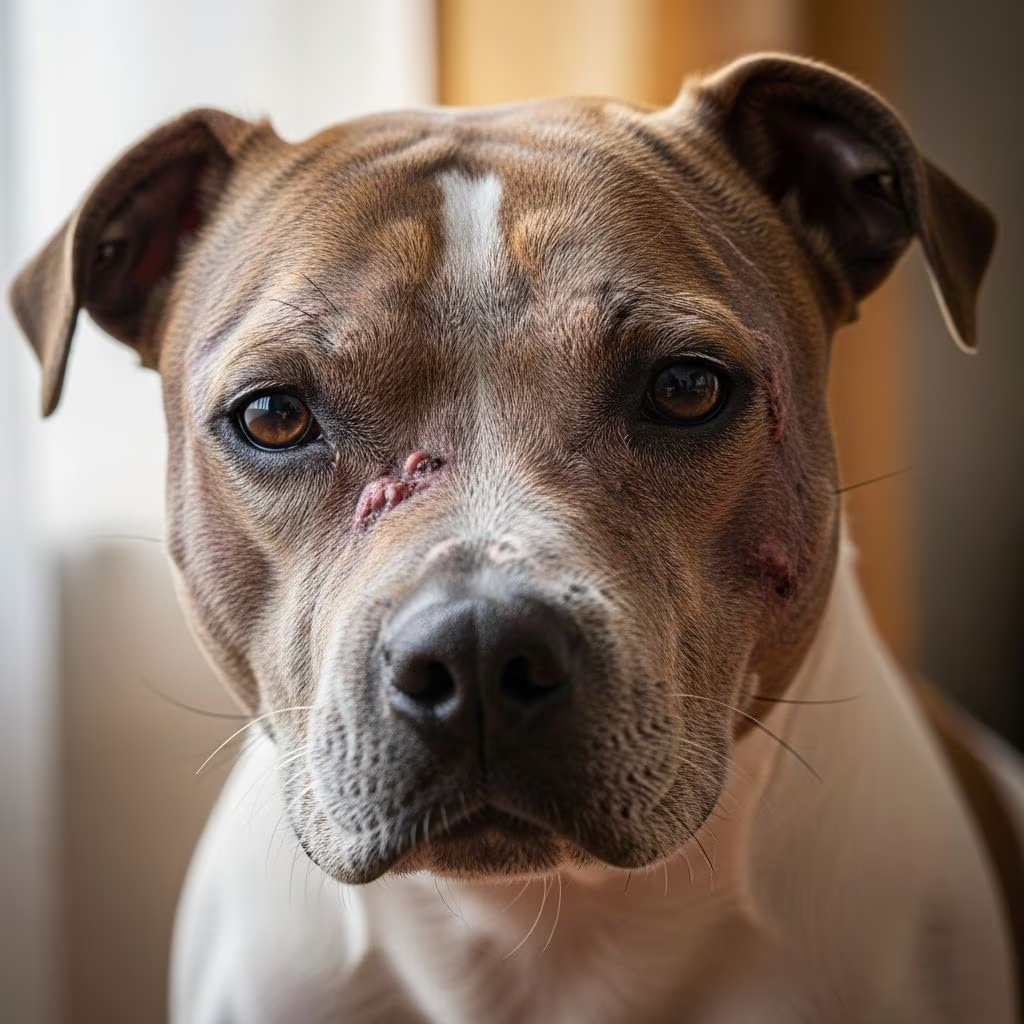
Mange represents a common yet distressing skin condition in dogs, triggered by microscopic mites that provoke intense irritation and potential secondary complications. This guide delves into the nature of mange, distinguishing its primary forms, outlining clinical signs, diagnostic approaches, treatment protocols, supportive care strategies, and proactive prevention measures to safeguard canine companions.
Understanding the Nature of Canine Mange
At its core, mange arises from infestation by parasitic mites residing in or on a dog’s skin. These arachnids, invisible to the naked eye, disrupt normal skin function, leading to inflammation and vulnerability to infections. Unlike bacterial or fungal issues, mange stems directly from mite overpopulation, though underlying health factors can exacerbate outbreaks.
Dogs harbor small populations of certain mites naturally without issue, but imbalances allow proliferation. This condition transcends breed or lifestyle, striking puppies, seniors, and robust adults alike when conditions align unfavorably.
Primary Types of Mange Affecting Dogs
Two predominant variants dominate canine cases: sarcoptic and demodectic mange, each with distinct mites, transmission patterns, and implications.
Sarcoptic Mange: The Highly Contagious Threat
Sarcoptic mange, often termed scabies, results from *Sarcoptes scabiei* mites burrowing into the epidermis. This form spreads rapidly via direct contact with infested animals or shared environments, posing zoonotic risks—humans may experience transient itching from contact.
Immunocompetent dogs succumb readily, underscoring its infectious prowess independent of host weakness.
Demodectic Mange: An Immune-Mediated Challenge
Demodectic mange involves *Demodex canis* or related species, mites passed from dam to pup during nursing. Normally commensal, these cigar-shaped parasites explode in numbers when immunity falters, as in young, elderly, or ill dogs.
Unlike sarcoptic, demodex does not transmit between dogs, classifying it as non-contagious. Localized patches often self-resolve, but generalized forms demand intervention.
Recognizing Early Warning Signs of Mange
Prompt detection hinges on vigilance for subtle initial changes progressing to overt distress. Symptoms vary by type but converge on skin compromise.
- Intense Pruritus: Relentless scratching, biting, or licking targets ears, elbows, abdomen, and hocks, sometimes causing self-trauma.
- Alopecia Patterns: Symmetrical bald spots emerge, sparing the head initially in sarcoptic cases but widespread in demodex.
- Cutaneous Alterations: Redness, scaling, crusting, or hyperpigmentation signals active infestation; advanced stages yield leathery thickening.
- Secondary Sequelae: Bacterial pyoderma or yeast overgrowth yields odor, pustules, and oozing.
- Systemic Indicators: Lethargy, anorexia, weight loss, or lymphadenopathy reflect chronicity.
| Symptom | Sarcoptic Mange | Demodectic Mange |
|---|---|---|
| Itching Intensity | Extreme, immediate | Mild to moderate |
| Hair Loss Location | Ears, legs, belly | Face, paws, trunk |
| Contagion Risk | High to dogs/humans | None |
| Crusting/Scaling | Yellow, thick | Red, scaly patches |
Diagnostic Approaches for Accurate Identification
Veterinarians employ multifaceted evaluation to differentiate mange from allergies, fungal infections, or endocrine disorders. History of exposure, lesion distribution, and cytology guide proceedings.
- Skin Scrapings: Deep scrapes reveal mites or eggs under microscopy; negative sarcoptic results occur in 20-50% cases due to sampling challenges.
- Response Testing: Trial scabicide application assesses pruritus resolution, supporting sarcoptic diagnosis.
- Additional Tests: Biopsies, cultures, or bloodwork rule out differentials and assess immunity.
Comprehensive Treatment Strategies
Therapy tailors to type, extent, and complications, prioritizing mite eradication alongside comfort and healing.
Pharmacologic Interventions
For Sarcoptic Mange: Isoxazolines like afoxolaner or fluralaner offer efficacy via oral or topical routes. Ivermectin suits non-sensitive breeds at precise dosing.
For Demodectic Mange: Topical moxidectin-imidacloprid or oral isoxazolines target mites; localized cases may suffice with medicated shampoos.
Adjuncts include antibiotics (e.g., cephalexin) for pyoderma and anti-inflammatories for relief.
Supportive Topical Therapies
- Lime-sulfur dips weekly for generalized demodex.
- Medicated baths with benzoyl peroxide or chlorhexidine.
- Spot-on parasiticide applications.
Home Management and Recovery Support
Owners play pivotal roles in success through diligent execution.
- Hygiene Protocols: Weekly bedding laundering in hot water; vacuuming habitats; isolating affected pets.
- Monitoring Progress: Weekly skin checks; follow-up scrapings confirm clearance.
- Nutritional Bolstering: High-quality diets fortify immunity during convalescence.
- Avoiding Pitfalls: No unvetted home remedies like oils, risking worsening or masking.
Prevention Tactics for Mange-Free Living
Forewarned averts infestation through routine safeguards.
- Parasite preventives encompassing mites (e.g., monthly topicals).
- Quarantine newcomers; vet checks pre-adoption.
- Stress minimization and balanced nutrition sustain immunity.
- Avoid high-risk venues during outbreaks.
Frequently Asked Questions About Dog Mange
Can humans catch mange from dogs?
Sarcoptic mange transmits transiently to humans, causing itchy welts that resolve sans dog removal. Demodex does not.
How long does mange treatment take?
Sarcoptic clears in 4-6 weeks; demodectic may span months, necessitating multiple scrapings for negativity.
Is mange fatal in dogs?
Rarely, absent intervention; secondary sepsis claims untreated generalized cases.
Can mange resolve without vet care?
Localized demodex occasionally self-heals; others progress without therapy.
What breeds are mange-prone?
Demodex favors those with genetic predispositions like Shar-Peis; sarcoptic strikes indiscriminately.
References
- Mange in Dogs: Types, Symptoms, Causes, Treatment — UrgentVet. 2023. https://urgentvet.com/mange-in-dogs-types-symptoms-causes-treatment/
- Mange in Dogs: Signs, Treatment and Prevention Options — CareCredit. 2024. https://www.carecredit.com/well-u/pet-care/dog-mange/
- Mange in Dogs: Signs, Symptoms, Treatment — American Kennel Club. 2023-10-05. https://www.akc.org/expert-advice/health/mange-in-dogs/
- Mange in Dogs and Cats – Integumentary System — MSD Veterinary Manual. 2024. https://www.msdvetmanual.com/integumentary-system/mange/mange-in-dogs-and-cats
- Mange in Dogs: Symptoms, Causes and Treatment — PetMD. 2024. https://www.petmd.com/dog/conditions/skin/mange-dogs
- Demodectic Mange in Dogs — VCA Animal Hospitals. 2024. https://vcahospitals.com/know-your-pet/mange-demodectic-in-dogs



