
Mange in Cats: Symptoms, Types, and Treatment Options
Complete guide to feline mange: recognize symptoms, understand mite types, and explore effective treatments.
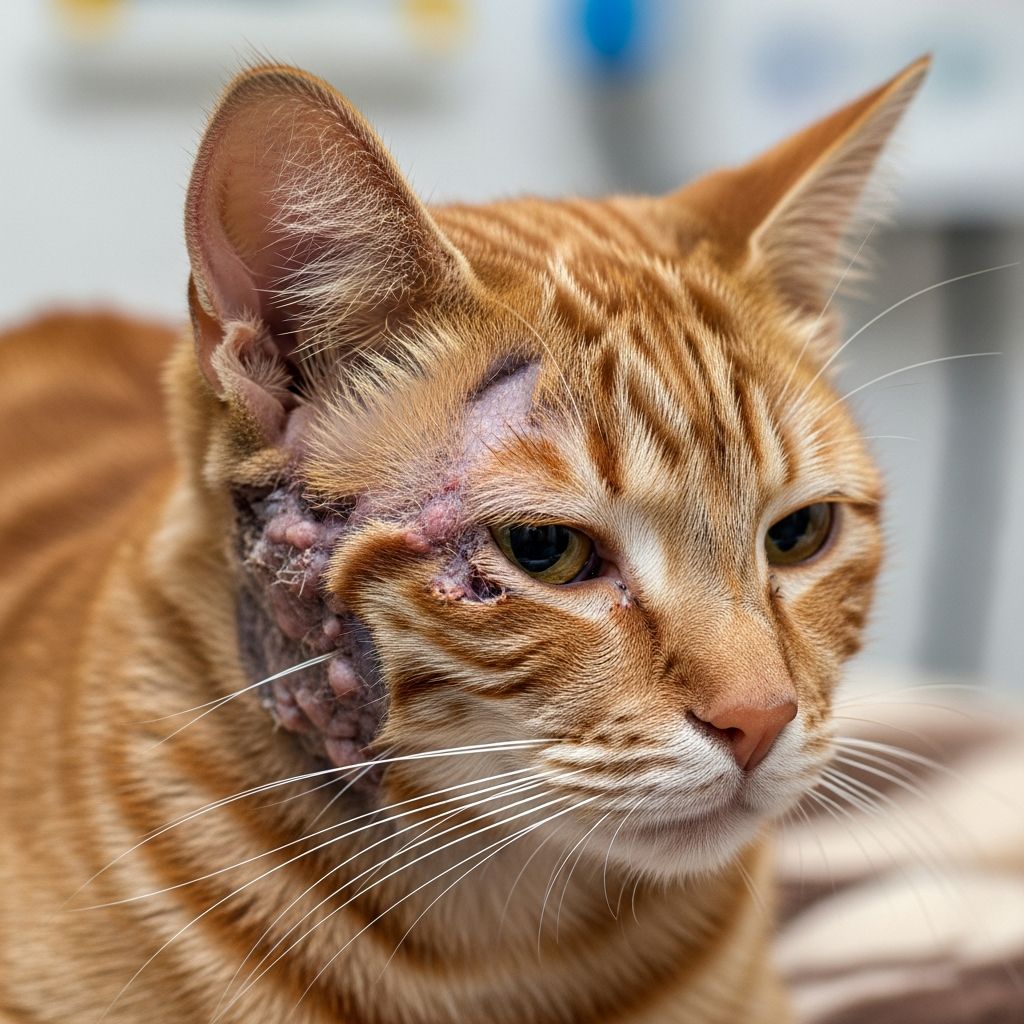
Understanding Mange in Cats
Mange is a common skin condition affecting cats that results from parasitic mite infestations. These tiny parasites burrow into the skin or hair follicles, causing significant discomfort and various skin manifestations. Understanding the nature of this condition, its symptoms, and available treatments is essential for cat owners who want to maintain their pet’s health and well-being. The condition can range from mild to severe, and early detection through awareness of symptoms can lead to faster treatment and better outcomes.
Common Symptoms of Mange in Cats
The most common symptoms of mange in cats are itchiness, hair loss, and skin lesions. However, it’s important to note that these signs are also seen with many other conditions, making proper diagnosis crucial. The intensity and nature of symptoms can vary depending on the type of mite causing the infection and the individual cat’s immune response.
Primary symptoms include:
– Excessive itching and scratching- Patchy or widespread hair loss- Skin rashes and small red bumps- Skin crusting, particularly around the head and neck- Restlessness and behavioral changes- Persistent licking or biting of affected areas- Skin flaking- Eosinophilic granuloma complex (patches of raised, red, and oozy skin)- Chin acne or other skin problems primarily affecting the chin
In severe cases, secondary bacterial or fungal skin infections can develop due to excessive scratching and skin damage. These infections can worsen symptoms and require additional treatment beyond mite elimination.
Types of Mange in Cats
Several different types of mites can cause mange in cats, each producing distinct symptoms and requiring specific treatment approaches. Understanding which type of mite is responsible for your cat’s condition helps veterinarians recommend the most effective treatment plan.
Demodectic Mange (Demodex)
Demodectic mange is caused by Demodex mites, with two main species affecting cats: Demodex cati and Demodex gatoi. Cats with demodectic mange usually aren’t severely itchy compared to other types. D. gatoi specifically causes hair pulling, especially on the abdomen, while D. cati tends to produce chin acne or other skin problems primarily affecting the chin. Demodectic mange is less contagious than other forms and often indicates underlying immune system issues that may require additional investigation.
Notoedric Mange
Notoedric mange is caused by Notoedres cati mites and is also sometimes called feline scabies. This type produces crusty skin, especially around the head and neck. Notoedric mange is highly contagious among cats and can spread rapidly in multi-cat households. The condition typically causes intense itching and can lead to significant hair loss and skin damage if left untreated.
Cheyletiellosis (Walking Dandruff)
Cheyletiellosis is caused by a larger mite called Cheyletiella blakei and is also known as walking dandruff. This condition is distinctive because the skin flakes might actually move, giving the appearance of dandruff that walks across the cat’s skin. These mites are occasionally visible to the naked eye as small white specks. This type is moderately contagious and can occasionally affect humans.
Otodectic Mange (Ear Mites)
Otodectic mange is caused by the ear mite Otodectes cynotis. This type primarily affects the ears and causes head shaking, continual ear scratching, and ear droop. Infected cats often develop an excessive buildup of dark, dry wax in the ears that may fall out as the cat scratches and shakes its head. Ear mites can cause ear infections and damage to the ear drum if not treated promptly.
Sarcoptic Mange
Sarcoptic mange is caused by Sarcoptes scabiei, which typically causes sarcoptic mange in dogs but can occasionally affect cats. This highly contagious type results in extreme itchiness and scratching, with hair loss often beginning near the ears. The condition causes thickening or crusting of the skin and is one of the more uncomfortable forms of mange for affected animals.
Diagnosing Mange in Cats
Proper diagnosis is essential for effective treatment. Veterinarians use several diagnostic methods to identify mange and determine which type of mite is responsible. A definitive diagnosis is not always needed to treat mites in cats because false negatives can occur with diagnostic skin scrapes, and many broad-spectrum antiparasitic medications are effective against multiple mite species.
Common diagnostic approaches include:
– Skin scrapings examined under a microscope- Visualization of mites using magnifying glass examination- Acetate tape preparations- Clinical examination of symptoms and affected areas- Therapeutic trials of anti-parasite medication when diagnostic tests are inconclusive
If mites are not visible during initial testing but mange is suspected based on symptoms, a veterinarian may recommend a therapeutic trial of antiparasitic medication. If symptoms improve after treatment, this confirms that an external parasite such as mites was the culprit. Additional diagnostic tests may be recommended to rule out underlying immunosuppressive illness, especially if demodectic mange is suspected. These tests may include bloodwork for feline leukemia and feline immunodeficiency virus, imaging such as X-rays or ultrasounds, and urinalysis.
Treatment of Mange in Cats
Many treatments for cat mange are available, and the best choice depends on your cat’s age and health status, the type of mange they have, and the severity of the condition. Treatment typically involves antiparasitic medications combined with supportive care to address secondary infections and discomfort.
| Treatment Type | Description | Examples |
|---|---|---|
| Topical Medications | Applied directly to the skin to kill mites | Moxidectin (Advantage Multi®), Fluralaner (Bravecto® topical), Revolution |
| Oral Medications | Ingested to treat mite infestations systemically | Ivermectin (Heartgard®), oral antiparasitic drugs |
| Medicated Dips | Full-body treatments applied weekly | Lime sulfur dips, Amitraz dips |
| Medicated Shampoos | Bathing products that help eliminate mites and soothe skin | Prescribed feline medicated shampoos |
| Supportive Medications | Treat secondary conditions and symptoms | Antibiotics, anti-inflammatory medications, anti-itch treatments |
Specific Treatment Options
Topical Flea Preventatives: Topical flea preventatives such as Revolution are very effective and safe for treating mite infestations. These products kill mites on contact and provide ongoing protection. Most of these treatments need a veterinarian’s prescription and may need to be given at dosages that are different from what is printed on the label, as cats may require different concentrations than dogs.
Lime Sulfur Dips: Lime sulfur dips are an antibacterial treatment administered as full-body soaks every 7 days until follow-up skin scrapings are negative for mites and all skin lesions have resolved, typically 4 to 8 weeks. Bathing your cat with a medicated shampoo just prior to each lime dip is typically recommended. This treatment can be effective but requires consistent application and follow-up monitoring.
Ivermectin: Ivermectin is administered at specific dosages (typically 200 mcg/kg given orally or subcutaneously, with 2–4 treatments spaced 2 weeks apart) and is very effective and usually curative for certain mite types. However, ivermectin at certain dosages is contraindicated in avermectin-sensitive breeds, so veterinary guidance is essential.
Additional Supportive Care: Beyond mite-killing medications, cats may require antibiotics and anti-inflammatory medication to treat secondary skin problems and ease inflammation. Anti-itch medications may also be prescribed to help reduce scratching and allow the skin to heal.
IMPORTANT: Never give your cat any treatment for mange without speaking to your veterinarian first. Your veterinarian will determine the appropriate treatment based on your cat’s individual health status, age, and the specific type of mange present.
Management and Prevention
Proper management is crucial during and after treatment. It’s important to isolate a cat with mange indoors away from any other pets to prevent the mange from spreading to additional animals and households. Mange can be spread through direct contact with infected animals or contaminated bedding.
If your cat visits the same areas or comes into contact with animals that transmitted mange to them, they could become reinfected. Therefore, identifying and treating the source of infection is important for long-term prevention. Keep in mind that while mange can be eliminated with appropriate treatment, reinfection is possible if exposure continues.
Special Considerations
If your cat is sick or pregnant, your veterinarian will take this into consideration before administering any type of medication. Some treatments may not be suitable for cats with certain health conditions or at particular life stages. Your veterinarian can recommend safe alternatives that won’t compromise your cat’s overall health.
The cost of treating mange varies depending on the circumstances. Sometimes medication to kill the mites is all that is needed, but costs may be higher if there is a secondary skin infection because other medications will be needed. Your veterinarian may also perform tests to check for underlying health conditions such as feline leukemia, feline immunodeficiency, kidney disease, hyperthyroidism, and allergic or auto-immune skin conditions.
When to Seek Veterinary Care
Talk to a veterinarian whenever you notice changes in your cat’s skin, fur, or behavior. Many skin conditions can cause itchiness and hair loss, such as mange, flea allergy dermatitis, skin infections, and ringworm. A professional diagnosis ensures appropriate treatment. Prompt treatment can help alleviate symptoms and prevent the condition from worsening.
Frequently Asked Questions
Q: Can humans catch mange from cats?
A: Some mites can affect humans, though it’s rare. The only reported case of contagion to humans involved a transient rash in an owner with a heavily infested cat. It’s still wise to practice good hygiene and consult your doctor if you develop unexplained skin symptoms while treating a cat with mange.
Q: Can indoor cats get mange?
A: Yes, indoor cats can develop mange. Mites can easily spread from a dog or other outdoor animal to an indoor cat. Many indoor cats are exposed to otodectic mange (ear mites) when introduced to a new cat or kitten who is infected.
Q: How long does it take to treat mange in cats?
A: Treatment duration varies by type and severity. Lime sulfur dip treatments typically require 4 to 8 weeks of weekly applications until skin scrapings are negative for mites. Other treatments may work more quickly, but follow-up veterinary care is essential to confirm complete resolution.
Q: Will my cat have long-lasting effects from mange?
A: Most cats have no long-lasting effects after appropriate treatment of mange. However, severe cases with extensive secondary infections may take longer to fully resolve, and some scarring or pigmentation changes may occur in heavily affected areas.
Q: What should I do if I suspect my cat has mange?
A: Schedule an appointment with your veterinarian as soon as possible. Avoid attempting home treatment and don’t use medications prescribed for other animals. Your veterinarian will perform appropriate diagnostic tests and recommend the safest, most effective treatment for your specific cat.
References
- Mange in Cats — PetMD. Accessed 2024. https://www.petmd.com/cat/conditions/infectious-parasitic/mange-cats
- Sarcoptic Mange in Cats — Small Door Veterinary. https://www.smalldoorvet.com/learning-center/medical/sarcoptic-mange-cats
- What to Do If Your Cat Has Mange — Vetster. https://vetster.com/en/wellness/what-to-do-if-your-cat-has-mange
- Mange in Dogs and Cats – Integumentary System — MSD Veterinary Manual. Accessed 2024. https://www.msdvetmanual.com/integumentary-system/mange/mange-in-dogs-and-cats
- Causes, Signs and Treatment of Mange in Cats — EveryPaw. https://www.everypaw.com/all-things-pet/mange-in-cats
- Cat Mange and Scabies: Symptoms, Causes, and Treatments — WebMD Pets. https://www.webmd.com/pets/cats/cat-mange-scabies
Similar Articles








Read full bio of Sneha Tete




