

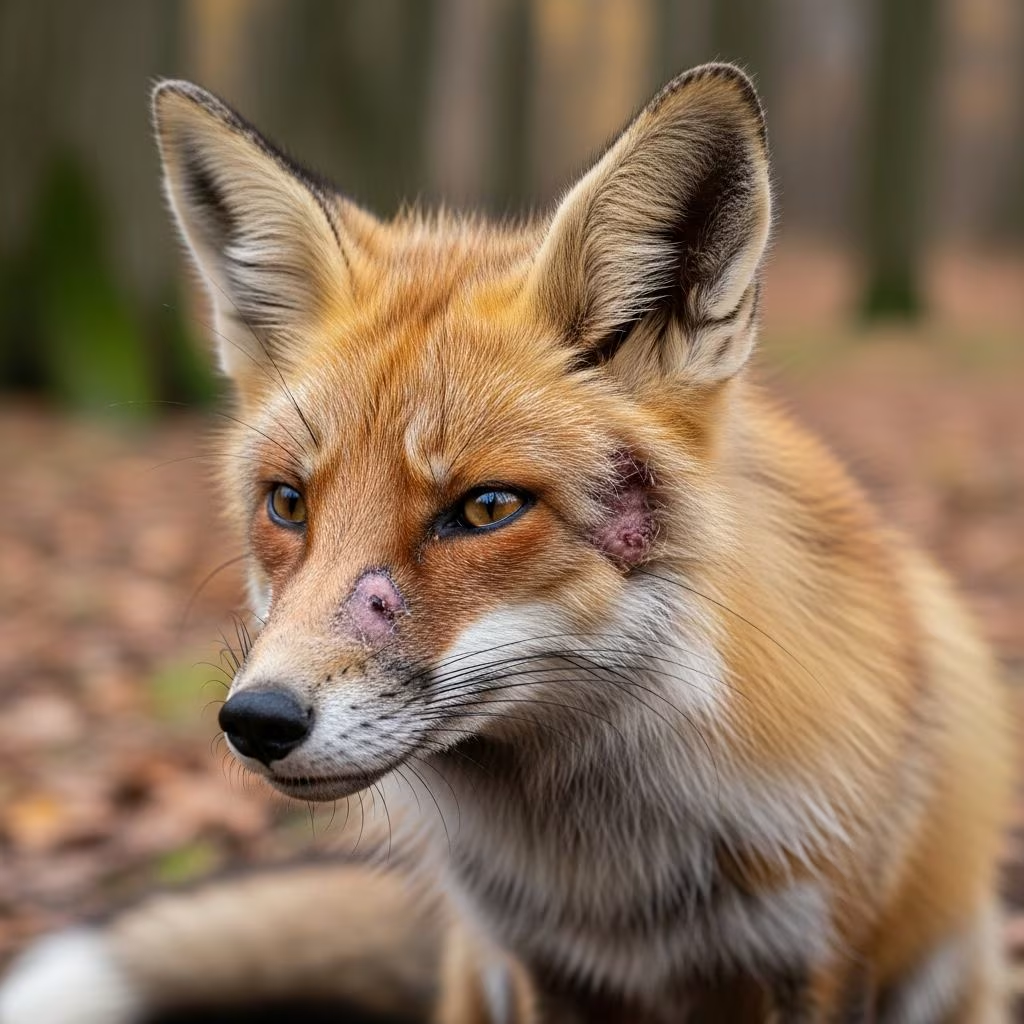
Mange represents a significant parasitic skin condition affecting animals across multiple species, from household pets to wildlife populations. This dermatological disorder results from mite infestation and manifests through various clinical presentations depending on the causative mite species and the affected animal’s immune status. Understanding the nature of mange, its transmission pathways, and treatment strategies is essential for pet owners, livestock managers, and wildlife professionals alike.
The Nature of Mite-Induced Skin Disease
Mange is fundamentally a parasitic condition triggered by microscopic mites that colonize the skin and hair follicles of infected animals. Unlike many other parasitic conditions, mange involves complex interactions between the parasite, the host’s immune system, and secondary bacterial or fungal infections that often complicate the primary condition. The severity of clinical manifestation depends not solely on the presence of mites but also on the animal’s inherent immunity, nutritional status, and overall health condition.
Different mite species produce distinct disease patterns. Some mites cause highly contagious forms that spread readily between animals, while others primarily affect individuals with compromised immune systems. This variation in epidemiology and pathogenesis necessitates species-specific and sometimes individualized treatment approaches.
Primary Mite Species and Disease Classification
Several mite genera are responsible for mange manifestations in animals. The classification of mange depends primarily on which mite species initiates the infection:
- Demodex mites: These naturally inhabit animal skin but cause disease when their populations become excessive, typically in animals with immune compromise or genetic predisposition
- Sarcoptes mites: These highly contagious parasites burrow into the skin and trigger intense host responses, affecting multiple animal species including dogs, cats, wildlife, and occasionally humans
- Notoedres mites: Particularly problematic in feline populations, these mites cause severe clinical disease with progressive hair loss and skin damage
- Otodectes and Cheyletiella mites: These species cause localized or generalized manifestations, with the latter notably producing visible crusts described as “walking dandruff”
Clinical Presentation Across Animal Species
The visible signs and symptoms of mange vary considerably depending on the causative mite species, disease duration, and the affected animal’s immune competence. However, certain clinical features remain consistent across most mange presentations.
Dermatological Manifestations
The primary clinical indicators of mange include progressive hair loss occurring in patches or encompassing the entire body. Affected animals frequently develop redness and inflammatory responses visible on exposed skin areas. As the condition progresses, secondary bacterial or yeast infections often establish on damaged skin surfaces, producing characteristic thick, foul-smelling crusts and scabs.
Additional dermatological findings may include:
- Papules and pustules forming on the skin surface
- Scaling and flaking that may resemble dandruff
- Lichenification or thickening of the epidermis in chronic cases
- Hyperpigmentation or darkening of affected skin regions
- Follicular damage with visible comedones and follicular plugs
Systemic and Behavioral Signs
Beyond visible skin changes, affected animals frequently exhibit behavioral alterations. Intense pruritus or itching represents perhaps the most distressing symptom, compelling animals to engage in constant scratching and self-trauma. This excessive grooming behavior exacerbates secondary infections and prevents normal sleep cycles.
In severe cases, animals may develop lymph node enlargement, particularly affecting nodes draining affected skin regions. Chronic, untreated mange can lead to progressive weight loss and emaciation as animals direct metabolic resources toward inflammation and immune response rather than normal physiological functions.
Diagnostic Approaches and Confirmation
Accurate diagnosis of mange requires systematic evaluation combining clinical observation with laboratory confirmation. Veterinarians typically employ multiple diagnostic modalities to identify the specific mite species responsible and to rule out concurrent conditions.
Microscopic Examination
The primary diagnostic method involves obtaining skin samples through scraping or plucking and examining these samples under microscopic magnification to identify mite eggs, larvae, nymphs, or adult mites. Technique and sample collection location influence diagnostic accuracy, as mites may not appear uniformly across affected areas.
A notable limitation of this approach involves false-negative results, where clinical signs strongly suggest mange despite negative microscopic findings. This phenomenon occurs particularly with Sarcoptic mange, where mite burrows may contain relatively few organisms despite intense clinical manifestation. In such cases, veterinarians may recommend therapeutic trials of antiparasitic medications to confirm suspected diagnoses.
Additional Diagnostic Considerations
When Demodex mites cause clinical disease in adult animals, underlying systemic conditions warrant investigation. Diagnostic workup may include blood tests, particularly screening for feline leukemia and feline immunodeficiency virus in cats. Imaging studies such as radiographs or ultrasound and urinalysis may be recommended to identify predisposing conditions that have compromised immune function.
Treatment Strategies and Antiparasitic Medications
Successful mange management represents a multifactorial process extending beyond simple parasite elimination. Treatment must address the active mite population, secondary infections, underlying health conditions, environmental contamination, and prevention of disease transmission.
Topical Therapeutic Agents
Topical medications applied directly to affected skin regions represent a foundational treatment component. These agents include:
- Selamectin: A broad-spectrum antiparasitic effective against multiple mite species when applied topically at regular intervals
- Moxidectin-imidacloprid combinations: These formulations demonstrate efficacy for various mange presentations, often administered weekly or at extended intervals
- Fluralaner: A newer agent showing impressive efficacy, with single topical applications capable of eliminating Demodex mites in generalized disease
- Medicated shampoos and dips: Lime sulfur solutions and amitraz dips cleanse the skin, reduce mite populations, and promote healing of damaged epidermis
Oral and Injectable Antiparasitic Treatments
Systemic antiparasitic medications provide alternatives or supplements to topical therapy, particularly advantageous for animals resistant to external application or with extensive disease:
- Milbemycin oxime: An oral macrocyclic lactone effective for demodectic and sarcoptic mange
- Afoxolaner: An oral isoxazoline providing extended mite control with monthly dosing
- Sarolaner: Monthly oral administration showing safety and efficacy in clinical trials for generalized demodectic mange
- Ivermectin: An injectable or oral option demonstrating effectiveness, though contraindicated in breeds with MDR1 gene mutations such as collies and Old English sheepdogs due to toxicity risk
- Doramectin: Injectable formulation providing systemic antiparasitic effect
Dosing of macrocyclic lactones requires careful escalation to identify individual sensitivity, particularly in genetically predisposed breeds where accumulated toxicity can cause severe neurological complications.
Adjunctive Therapeutic Approaches
Beyond mite elimination, comprehensive treatment addresses secondary consequences of mange-induced skin damage. Bacterial and yeast infections frequently requiring antibiotic or antifungal therapy emerge from compromised skin barriers and constant self-trauma. Antibiotics such as cephalexin or cefovecin may be prescribed when significant secondary bacterial colonization is evident.
Anti-inflammatory medications and topical agents promoting skin healing accelerate resolution of inflammation and tissue regeneration. In severely pruritic animals, anti-itch medications improve quality of life and reduce self-inflicted trauma. Physical protection through Elizabethan collars or protective clothing prevents continued scratching during healing phases.
Environmental and Contact Management
Mange treatment extends beyond the individual affected animal to encompass environmental decontamination and protection of susceptible animals. Contagious mange forms require isolation of affected animals for approximately two weeks to prevent or limit mite transmission to naive animals.
Environmental surfaces that may harbor infective mites must undergo rigorous disinfection. Bedding, feed and water containers, grooming equipment, and other fomites require replacement or thorough sanitization. This environmental control proves particularly critical for sarcoptic mange, which spreads readily through contaminated surfaces.
Contact animals should receive prophylactic treatment with monthly or tri-monthly antiparasitic preventatives to interrupt transmission cycles and prevent establishment of infection. For non-contagious demodectic mange, environmental cleaning proves unnecessary, though preventative medication remains advisable for in-contact animals.
Prognosis and Recovery Expectations
Localized Disease Outcomes
Localized demodectic mange affecting small skin patches frequently resolves spontaneously as the animal’s immune system suppresses excessive mite proliferation. Many cases require no intervention, with complete hair regrowth occurring as immunity strengthens. However, active treatment accelerates healing and provides symptomatic relief.
Generalized Disease and Chronic Cases
Generalized mange affecting extensive body surface areas requires active intervention and rarely resolves without treatment. Most animals receiving appropriate therapy achieve complete recovery with resolution of clinical signs and restoration of normal skin and hair coat.
Chronic or refractory cases often reflect underlying systemic illness preventing adequate immune response, inadequate treatment duration or dosing, secondary infections requiring independent management, or poor environmental control allowing re-exposure. Detailed investigation of predisposing conditions, compliance with treatment protocols, and environmental sanitation becomes essential in such situations.
Mange becomes fatal when animals receive inappropriate therapy, underlying health conditions remain unaddressed, or disease severity compromises overall health beyond recovery capacity. Early recognition and evidence-based treatment maximize successful outcomes across all animal species.
Species-Specific Considerations
While fundamental principles of mange diagnosis and treatment remain consistent across animal species, specific considerations apply to different host populations. Wildlife affected by mange may harbor additional challenges including stress from capture for treatment and overall health compromise from malnutrition or environmental hardship. Treatment success in wildlife often depends on overall population health and availability of adequate nutrition and shelter during recovery.
Livestock and companion animals benefit from established treatment protocols and closer monitoring by their caretakers. Exotic or captive wild animals may require specialized knowledge of species-specific drug metabolism and appropriate dosing adjustments.
Prevention and Long-Term Management
Once mange treatment concludes successfully, prevention of recurrence requires ongoing vigilance. Regular monthly or tri-monthly antiparasitic preventatives reduce risk of reinfection, particularly in animals with documented susceptibility. Good nutrition supporting immune function, appropriate stress reduction, and environmental hygiene all contribute to prevention of mange recurrence.
Animals with histories of demodectic mange warrant genetic counseling regarding breeding decisions, as predisposition to immune compromise may have hereditary components. Identifying and managing underlying conditions that triggered initial disease manifestation remains essential for preventing relapse.
References
- Overview of Mange in Animals — Merck Veterinary Manual. Updated 2024. https://www.msdvetmanual.com/integumentary-system/mange/overview-of-mange-in-animals
- Mange in Dogs: Symptoms, Causes and Treatment — PetMD. 2024. https://www.petmd.com/dog/conditions/skin/mange-dogs
- Demodectic Mange in Dogs and Cats: Diagnosis and Treatment — Vets and Clinics. 2024. https://www.vetsandclinics.com/en/library/demodectic-mange-in-dogs-and-cats-diagnosis-and-treatment
- Mange in Dogs: Signs, Symptoms, Treatment — American Kennel Club. 2024. https://www.akc.org/expert-advice/health/mange-in-dogs/
- What to Do If You Found a Wild Animal and You Think It Has Mange — Tufts Wildlife Clinic. 2024. https://vet.tufts.edu/tufts-wildlife-clinic/resource-library/what-do-if-you-found-wild-animal-and-you-think-it-has-mange
- Mange — Cornell Wildlife Health Lab. 2024. https://cwhl.vet.cornell.edu/resource/mange



