

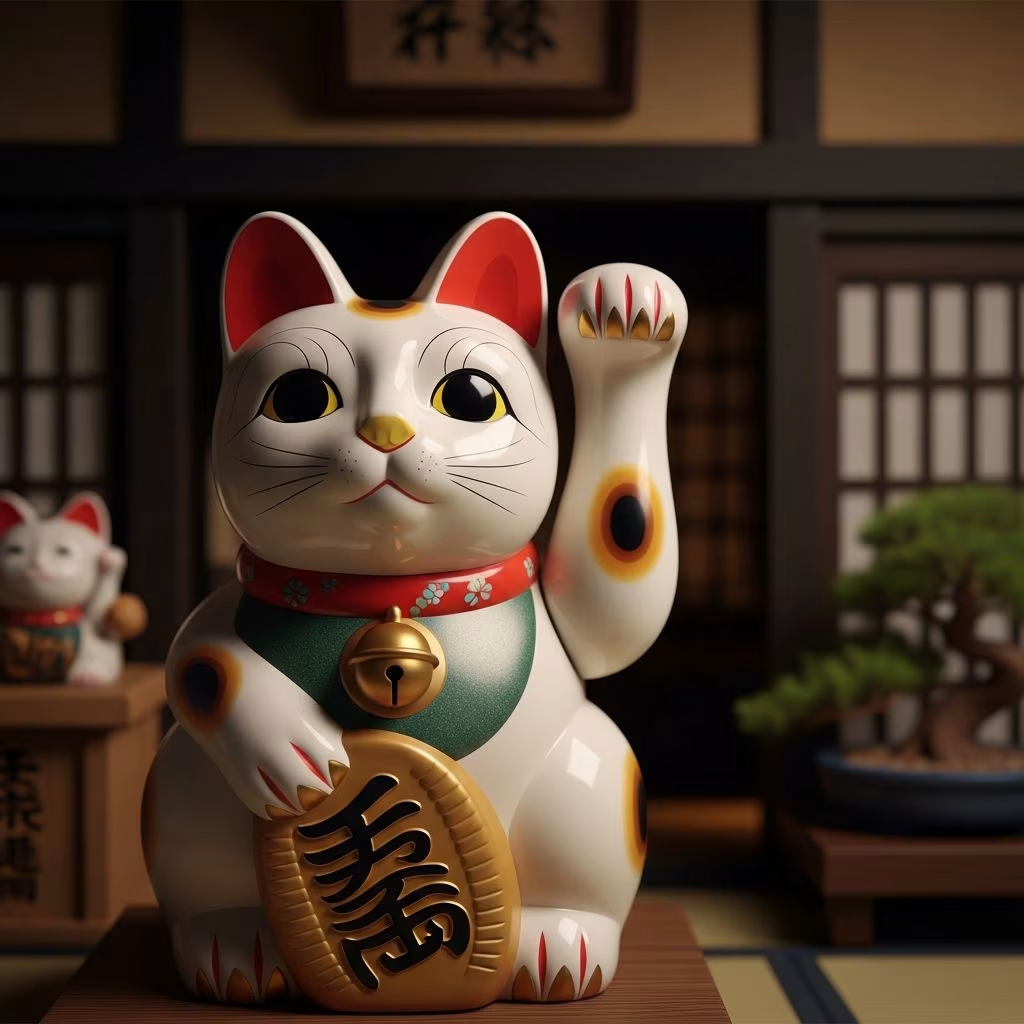
The small ceramic figurine with one paw raised in an eternal wave has become synonymous with good luck and prosperity across the globe. Known as the maneki-neko, or “beckoning cat,” this charming Japanese figure greets visitors from storefronts, restaurants, homes, and businesses throughout Asia and beyond. Yet behind its adorable exterior lies a captivating story rooted in centuries of Japanese tradition, folklore, and cultural belief systems that continue to resonate with millions of people worldwide.
Understanding the Maneki-Neko: More Than Just a Decoration
The term “maneki-neko” breaks down into two simple Japanese words: “maneki,” which means beckoning or inviting, and “neko,” meaning cat. This beloved figurine typically depicts a Japanese Bobtail cat with its paw raised in a welcoming gesture, often featuring an endearing expression that seems to invite good fortune into the lives of those who encounter it. What distinguishes this figure is not merely its aesthetic charm, but the deeply ingrained cultural significance that makes it far more than a decorative object.
The maneki-neko serves as a physical embodiment of Japanese cultural values, particularly the concepts of hospitality, kindness, and the mutual relationship between humans and animals. When displayed in windows or placed near entrances, these figurines function as silent ambassadors of welcome and prosperity, representing the Japanese belief that treating all living creatures with respect brings reciprocal blessings. Today, these cats appear in countless variations—from traditional ceramic versions to modern plastic interpretations with motorized waving arms—yet each maintains the essential beckoning gesture that makes them instantly recognizable.
Tracing the Historical Roots: The Edo Period Connection
The journey of the maneki-neko began during Japan’s Edo Period, spanning from 1603 to 1868, an era when Japan largely remained isolated from the outside world. This historical timeframe proves crucial to understanding how the lucky cat emerged and flourished within Japanese society. During this period, Japan experienced significant cultural development, and cats held particular significance within the social fabric of the nation.
The historical context of the Edo Period reveals several factors that contributed to the cat’s elevation in Japanese consciousness. In 1602, just before the Edo Period’s official beginning, an imperial decree freed all cats in Japan with the intention of capitalizing on their natural pest-control abilities, particularly within the sericulture industry that produced silk. This practical recognition of cats’ value gradually transformed into deeper cultural reverence, positioning felines as guardians of prosperity and protectors of important economic resources.
The Sacred Legend of Tama: The Original Lucky Cat
Among the various origin stories surrounding the maneki-neko, one narrative stands out as the most widely recognized and cherished. This tale centers on Gōtoku-ji Temple in Tokyo and a remarkable cat named Tama. According to temple records and historical accounts passed down through generations, the story unfolds during the Edo Period when a poor monk served at the temple.
The legendary encounter began when a daimyo (regional ruler) named Ii Naotaka found himself caught in a severe storm while traveling. Seeking shelter, the ruler and his companions spotted a cat beckoning them from the temple entrance, seemingly waving them toward safety. Curious and intrigued by this unusual feline behavior, they approached the temple just as lightning struck the exact spot where they had previously sheltered beneath a tree. In that moment of realization—that the cat had potentially saved their lives—the daimyo experienced profound gratitude.
Recognizing this occurrence as the will of Buddha and the cat’s divine intervention, the grateful ruler made a momentous decision. He offered the monk lands and resources surrounding the temple, transforming the modest structure into a much larger, more prosperous institution. This generous gift, attributed to the cat’s mysterious beckoning, established the temple as a sacred site and elevated Tama to legendary status within Japanese folklore.
When Tama eventually passed away, the temple honored the beloved cat by creating a statue in its image and erecting an altar at its burial site. The cat was even recorded as a deity—Shobyo Kannon, the god of mercy—cementing its place in Japanese spiritual traditions. Today, Gōtoku-ji Temple remains a pilgrimage destination, where thousands of beckoning cat statues of varying sizes dot its tranquil grounds, left as offerings by visitors seeking their own measure of good fortune.
Alternative Tales and Regional Variations
While the Tama legend dominates the maneki-neko narrative, Japanese folklore contains other compelling stories about fortunate cats that contributed to the figurine’s development and popularity. One such account involves Eko-In Temple in Tokyo, where a cat reportedly delivered gold coins to a struggling fishmonger who had been unable to work due to illness. This compassionate feline’s actions were so noteworthy that a tombstone was erected with an epitaph reading “an animal that did good and virtuous acts,” highlighting the deep respect and gratitude extended to the cat.
The association between cats and gold coins, born from this tale, became particularly meaningful in later interpretations of the maneki-neko. The pairing of gold coins with the beckoning cat figurine eventually became a popular design element, representing wealth and financial abundance. These varied narratives demonstrate how Japanese culture wove multiple cat-related stories into the broader tapestry of the maneki-neko tradition, each contributing unique dimensions to the figurine’s symbolic richness.
Symbolism of Direction: Left Paw Versus Right Paw
One fascinating aspect of the maneki-neko’s symbolism lies in the distinction between left and right paw positioning. This seemingly simple detail carries significant meaning within Japanese tradition and influences how individuals and businesses choose which version to display.
The left paw beckoning traditionally invites customers and wealth, making it the preferred choice for commercial establishments seeking to draw business and attract financial success. Shopkeepers, restaurant owners, and merchants have long displayed left-paw maneki-neko figures positioned prominently near entrances to encourage patrons to enter and spend money. The left paw variant represents active invitation and the drawing of external good fortune inward.
Conversely, the right paw signifies general good luck and overall fortune, operating more broadly without the specific commercial focus. Some maneki-neko figurines feature both paws raised simultaneously, doubling the beckoning effect and combining the benefits of both directional variants. This flexibility in interpretation allows individuals to select versions aligned with their particular aspirations, whether they seek business success, personal happiness, or universal blessing.
Color Symbolism: Decoding the Palette of Fortune
The visual appearance of the maneki-neko extends far beyond simple aesthetic preferences. The colors chosen for these figurines carry distinct symbolic meanings rooted in Japanese cultural traditions and Buddhist symbolism.
| Color | Symbolic Meaning | Associated Fortune |
|---|---|---|
| White | Purity and happiness | General good luck and protection |
| Black | Protection and warding | Repelling evil spirits and negative energy |
| Calico/Tri-color | Harmony and balance | Considered the luckiest combination |
| Gold | Wealth and prosperity | Financial success and abundance |
| Red | Energy and vitality | Romantic luck and relationships |
White cats, the most traditional and commonly recognized variant, bring happiness and represent the values of purity central to Japanese aesthetics. These white figurines became particularly popular at Gōtoku-ji Temple, where the original legend originated, with countless white cat statues accumulating over centuries as visitors left them as offerings. The white maneki-neko appeals to those seeking general blessings and a sense of spiritual cleanliness.
Black cats, often misunderstood in Western contexts as symbols of bad luck, hold opposite significance in Japanese culture. These figurines specialize in protection, warding off evil spirits and negative influences. Calico or tri-color cats are considered the luckiest of all variations, combining multiple auspicious elements and representing harmony and balance. Gold-colored maneki-neko directly reference the coin-associated legend, embodying financial prosperity and material abundance.
Cultural Evolution: From Ancient Practice to Modern Symbol
The maneki-neko did not emerge fully formed as a widespread cultural icon. Instead, its popularity grew gradually through historical stages, reflecting changing Japanese economic conditions and social priorities. The figure gained particular prominence during periods of commercial expansion, especially as business culture flourished in urban centers.
Documentation of the maneki-neko’s growing popularity appears in historical records. A newspaper article from 1876, during the Meiji era, specifically mentioned the lucky cat, suggesting it had already achieved notable recognition. Furthermore, evidence indicates that kimono-clad maneki-neko figurines were being distributed at a shrine in Osaka during this same period, demonstrating both regional adaptation and commercialization of the tradition. By 1902, advertisements explicitly promoted maneki-neko as good luck charms, marking a transition into commercial popularity at the turn of the twentieth century.
Contemporary Celebrations and Global Recognition
The enduring appeal of the maneki-neko extends beyond individual ownership and display. Japanese communities celebrate this beloved symbol through dedicated festivals and cultural events that draw participants from near and far. The Manekineko Festival, held annually in September across various Japanese cities, brings communities together to honor the beckoning cat tradition. During these festivities, people paint their faces with cat designs, dress in themed costumes, and participate in celebrations that reinforce cultural connection to this iconic figure.
Specific locations have become pilgrimage sites for maneki-neko enthusiasts. Manekineko-dori Street in Tokoname City, Aichi Prefecture, earned its name by virtue of decorating the entire thoroughfare with dozens of ceramic cat statues. Walking down this street immerses visitors in a whimsical landscape of beckoning cats, each representing different artistic interpretations while maintaining the essential symbolic gesture. Gōtoku-ji Temple remains the most spiritually significant location, housing hundreds of figurines left by hopeful visitors seeking the same fortune that once blessed the original Tama.
Beyond Japan’s borders, the maneki-neko has achieved remarkable global recognition. These figures now grace storefronts, homes, and offices throughout Asia, Europe, North America, and beyond. People of diverse cultural backgrounds have embraced the lucky cat, integrating it into their personal and professional spaces despite its specific Japanese origins. This international adoption demonstrates the universal human desire for good fortune and the cat’s ability to transcend cultural boundaries.
The Deeper Philosophy: Cats as Fortune Carriers in Japanese Belief
Understanding the maneki-neko’s significance requires acknowledging the broader role cats occupy in Japanese spiritual and practical traditions. A Japanese proverb states: “Neko wo koroseba nanadai tataru,” meaning “If you kill a cat, it will haunt your family for seven generations”. This folk belief reflects the deep cultural conviction that cats possess power extending beyond ordinary animal existence.
The philosophy underlying cat reverence suggests reciprocal relationships: respect and care for cats yields protection and prosperity, while mistreatment invites supernatural consequences. This belief system transformed cats from merely useful rodent-catchers into spiritual beings worthy of veneration and gratitude. When an emperor decreed cats’ freedom in 1602, recognizing their agricultural value, the action elevated feline status permanently within Japanese consciousness, establishing cats as essential participants in human prosperity rather than mere servants.
Frequently Asked Questions About the Maneki-Neko
- What makes the left paw different from the right paw?
- The left paw attracts customers and wealth for commercial purposes, while the right paw brings general good luck and fortune. Many people choose based on their specific wishes—business owners typically prefer left paw variants, while those seeking personal blessings may select right paw figurines.
- Why are white cats most popular?
- White cats represent purity and happiness in Japanese culture, making them the traditional and most recognized variant. The original legend at Gōtoku-ji Temple featured white cat statues, establishing white as the classic color.
- Can I place a maneki-neko anywhere in my home or business?
- Traditionally, these figurines are positioned near entrances to welcome guests and invite good fortune inward. Storefronts, restaurant entryways, and business office thresholds represent optimal placements for maximum effectiveness.
- Are motorized maneki-neko as effective as traditional statues?
- The beckoning gesture remains central to the maneki-neko’s power regardless of whether the paw moves mechanically or remains stationary. Modern motorized versions maintain the essential symbolic function while adding contemporary appeal and continuous motion.
- What should I do if I receive a maneki-neko as a gift?
- Display it prominently in a location where it can welcome people or opportunities into your space. Many people treat them as treasured decorative objects that combine aesthetic appeal with spiritual significance.
Collecting and Modern Interpretations
The maneki-neko has evolved from a primarily spiritual object into a collectible item embraced by people worldwide. Modern artisans and manufacturers create interpretations reflecting contemporary aesthetics while maintaining traditional symbolic elements. From minimalist ceramic versions to elaborate figurines featuring intricate details, the range of available maneki-neko designs accommodates diverse tastes and interior styles.
Themed merchandise has expanded the lucky cat’s reach significantly. T-shirts, keychains, magnets, and other items bearing the maneki-neko design allow people to carry the symbol’s essence in portable forms. This commercialization, while sometimes criticized as diluting traditional significance, actually extends the cultural tradition into modern contexts where people of all backgrounds can encounter and appreciate the symbol.
Collectors often seek rare or vintage maneki-neko figurines, valuing both their artistic merit and historical significance. The figurines serve as tangible connections to Japanese cultural heritage, functioning simultaneously as decorative objects, spiritual talismans, and pieces of living history.
Conclusion: The Enduring Legacy of the Beckoning Cat
The maneki-neko represents far more than a charming ornament or quaint tourist souvenir. This iconic figurine embodies centuries of Japanese cultural values, spiritual beliefs, and the enduring human desire to invite good fortune into our lives. From its legendary origins at Gōtoku-ji Temple through its modern global presence, the beckoning cat continues to fascinate and inspire people across cultures.
Whether displayed in a restaurant hoping to attract patrons, placed in a home seeking personal blessings, or collected by enthusiasts worldwide, each maneki-neko carries forward a tradition connecting present-day admirers with ancient Japanese wisdom. The simple raised paw gesture transcends language and cultural barriers, communicating a universal message of welcome, hope, and the belief that kindness and respect generate reciprocal blessings. In a world often characterized by uncertainty, the maneki-neko’s cheerful beckoning reminds us that good fortune awaits those who open themselves to receive it.
References
- The Beckoning Cat Chronicles: Origins and Legends of the Maneki Neko — KS House. Accessed January 29, 2026. https://kshouse.jp/articles/en/the-beckoning-cat-chronicles-origins-and-legends-of-the-maneki-neko/
- Maneki Neko: The Wonderful Legendary Lucky Cat — Sakuraco. Accessed January 29, 2026. https://sakura.co/blog/maneki-neko-the-wonderful-legendary-lucky-cat
- The History and Meaning of Maneki Neko — Tokyo Smart. Accessed January 29, 2026. https://www.tokyo-smart.com/en/blog/news/maneki-neko
- Feline Folklore: Decoding the Lucky Cat — Japan Craft. Accessed January 29, 2026. https://japancraft.co.uk/blog/decoding-the-lucky-cat/
- The Lucky Cats of Japan: A Guide to the Alluring Maneki Neko — Omakase Forest. Accessed January 29, 2026. https://omakase-forest.com/blogs/omakase-insights/lucky-cats-beckoning-cats-of-japan-guide-to-maneki-neko
- The History and Meaning of Maneki-Neko: The Japanese Lucky Cat — My Modern Met. Accessed January 29, 2026. https://mymodernmet.com/maneki-neko-japanese-lucky-cat/



