

Mandarin Dragonet Care Guide
The mandarin dragonet (Synchiropus splendidus) is one of the most visually stunning fish available for saltwater aquariums, renowned for its vibrant coloration and intricate patterns. However, this beauty comes with a unique set of care requirements that make these fish a challenging but rewarding choice for experienced aquarists. Understanding their specific needs is essential for ensuring their long-term health and thriving in captive environments.
Overview and Identification
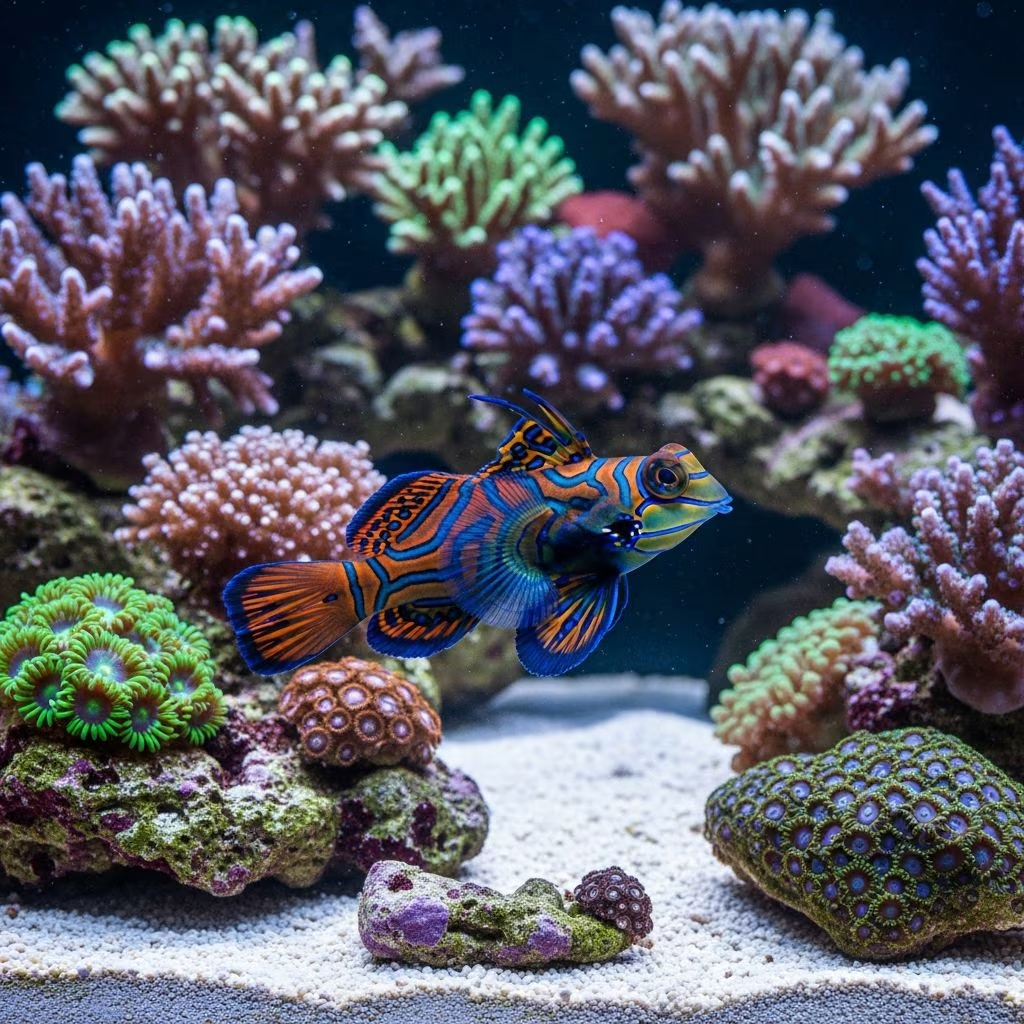
Mandarin dragonets are small, benthic fish native to the Indo-Pacific region. They typically reach lengths of only 3-4 inches, making them excellent choices for reef aquariums where space may be limited. The most commonly available species is the blue or green mandarin, though red variants and the spotted psychedelic mandarin (Synchiropus picturatus) are also available in the aquarium trade. These fish are characterized by their intricate, almost artistic color patterns that resemble traditional Chinese porcelain designs, hence their common name.
Tank Requirements and Setup
Minimum Tank Size
While mandarin dragonets are small fish, they require adequate space to forage and establish territories. A minimum tank size of 30 gallons is recommended, though many experienced keepers suggest 50 gallons or larger for optimal results. Smaller tanks increase stress and territorial aggression, potentially leading to behavioral problems and reduced lifespan. The tank should have ample floor space rather than excessive height, as these benthic fish spend most of their time near the substrate.
Aquascaping and Substrate
Live rock formations are essential for mandarin dragonet success. These structures provide excellent cover, security, and natural hunting grounds where copepods colonize and thrive. A well-established aquascape with crevices and caves allows the fish to forage naturally, reducing stress and encouraging natural behaviors. Regarding substrate, mandarin dragonets are adaptable and can thrive on sand, crushed coral, or bare-bottom setups. Many aquarists prefer sand or crushed coral as they support copepod populations more effectively than bare bottoms.
Filtration and Water Circulation
High-quality filtration is crucial for maintaining the pristine water conditions these sensitive fish require. A protein skimmer is highly recommended to remove organic compounds and maintain water clarity. Gentle water circulation is preferred, as mandarin dragonets are not strong swimmers and can become stressed in high-flow environments. Ensure filtration doesn’t create excessive current in areas where the fish forages.
Water Conditions and Parameters
Maintaining precise water conditions is critical for mandarin dragonet health. These fish are sensitive to even small amounts of ammonia and nitrite, which can cause stress and disease. Regular water testing and monitoring are essential components of their care regimen.
| Parameter | Ideal Range |
|---|---|
| Temperature | 75°F to 80°F (23°C to 27°C) |
| pH | 7.7 to 8.5 |
| Specific Gravity (Salinity) | 1.020 to 1.026 |
| Ammonia | 0 ppm |
| Nitrite | 0 ppm |
| Nitrate | Below 20 ppm |
Water testing should be performed weekly, especially during initial setup and after adding new fish. Perform partial water changes of 25% at least once weekly to maintain water quality and remove accumulated waste. Use a siphon device to remove solid waste from the substrate during water changes, as decaying organic matter can rapidly degrade water quality.
Diet and Feeding Requirements
Natural Feeding Behavior
In the wild, mandarin dragonets are constant foragers, spending their days grazing on tiny crustaceans like copepods and amphipods hidden among coral and rock formations. They are carnivorous with a strong preference for live food, and their feeding behavior is fundamental to understanding how to care for them in captivity. Replicating this natural foraging behavior is critical for their long-term health and survival.
Importance of Copepod Populations
The most effective way to meet the dietary needs of mandarin dragonets is by maintaining a robust live copepod population. These tiny crustaceans should be the primary food source, supplemented with other nutritious options. Successfully feeding mandarin dragonets requires careful planning and consistent attention to their unique dietary needs. Many aquarists fail with this species because they underestimate the importance of maintaining adequate copepod populations.
To cultivate and maintain copepod populations, regularly seed the tank with live copepods from reliable suppliers. Establish established live rock from established tanks before adding mandarin dragonets to ensure an initial copepod population is present. Monitor the population closely, as mandarin dragonets can decimate copepod colonies within weeks if populations aren’t supplemented regularly.
Supplemental Feeding Options
While copepods are the primary food source, supplementing with additional foods ensures nutritional variety and provides insurance against population crashes. Captive-bred mandarin dragonets are often pre-trained to accept prepared foods and frozen options, making them significantly easier to feed than wild-caught specimens.
Suitable supplemental foods include:
- Live baby brine shrimp
- Frozen baby brine shrimp
- Frozen small mysis shrimp
- High-quality micro pellets
- Fish roe
Training mandarin dragonets to accept frozen foods can be accomplished with patience and persistence. Introduce frozen foods gradually during peak feeding times when the fish’s natural hunting instincts are most active. Use a feeding station or small designated area to help the fish recognize where prepared foods are delivered.
Managing Pod Populations
Phytoplankton dosing is essential for maintaining healthy copepod populations, as pods require food to thrive. Think of phytoplankton as fertilizer for your copepod garden—feed the pod farm, and the pod farm feeds your mandarin. Regular phytoplankton dosing, combined with high-quality filtration that doesn’t remove too many planktonic organisms, maintains the foundation of your mandarin’s diet.
Consider establishing a refugium—a separate chamber or tank where copepods can reproduce safely without predation pressure. A refugium allows copepod populations to grow exponentially, providing a sustainable food source for your mandarin dragonet. This setup is particularly valuable in established systems where you want to ensure long-term feeding success.
Quarantine Procedures
Even the healthiest mandarin dragonet should be quarantined before introduction to the main tank. Quarantine is especially vital if your main tank already has larger copepod-eating occupants, as mandarin dragonets are notoriously slow eaters and may starve during the stress of transitioning homes.
Quarantine tank requirements include:
- Tank Size: Minimum 20 gallons, though larger is better
- Temperature: 72°F to 82°F (matching main tank conditions)
- Water Composition: Salinity 1.023 to 1.025, pH 7.9 to 8.4
- Live Rock: Established piece from main tank to provide copepod food source
- Filtration: Gentle, with no aggressive flow
- Duration: Minimum 2-4 weeks to observe health and feeding behavior
During quarantine, closely monitor eating habits and ensure a constant supply of pods is available. A stressed mandarin is at high risk of becoming a dead mandarin, so maintaining optimal quarantine conditions is crucial for survival.
Tank Integration and Compatibility
Introduction Techniques
When integrating a mandarin dragonet into the main tank, careful planning is essential to prevent shocking the fish. Begin by filling one side of the tank with ample food pods before releasing the dragonet. While mandarin dragonets are relatively docile and peaceful, coming face-to-face with all the tank’s inhabitants at once can be overwhelming and stressful.
Use a gradual acclimation process, allowing the fish to adjust to main tank conditions slowly over several hours. Some aquarists prefer using an acclimation container or breeding box to allow the fish to acclimate while remaining visible to tank inhabitants, reducing territorial aggression upon final release.
Tankmate Considerations
Mandarin dragonets are peaceful and generally compatible with most reef inhabitants. However, avoid housing them with aggressive or fast-eating tankmates that may outcompete them for food. Large fish, aggressive gobies, and voracious copepod consumers like pipefish should be avoided. Similarly, fish that nip at stationary prey may harass mandarin dragonets as they forage slowly along the substrate.
Ideal tankmates are peaceful reef fish, small shrimp, and other non-predatory invertebrates that won’t compete aggressively for the mandarin’s food sources. Avoid overstocking pod-hungry fish in systems with mandarin dragonets.
Common Health Issues and Solutions
Problem: Mandarin Not Eating
Causes: No established pod population, or mandarin not accepting prepared foods
Solutions: Boost pod populations with regular dosing of live copepods or establish a refugium. Try feeding live baby brine shrimp to trigger natural hunting instincts. Use a feeding station to train the fish to recognize frozen or prepared foods. If the mandarin continues refusing food and losing weight, consider rehoming it before it becomes too thin to recover.
Problem: Stress-Related Illness
Causes: Poor water quality, inadequate tank size, excessive ammonia/nitrite, or aggressive tankmates
Solutions: Perform immediate water testing and water changes if ammonia or nitrite are detected. Increase tank size if possible or remove competing copepod consumers. Maintain pristine water conditions through regular maintenance and quality filtration. Transfer the fish to a recovery quarantine if illness develops.
Breeding in Captivity
Mandarin dragonets are sexually dimorphic, with males displaying an enlarged first dorsal spine compared to females. Breeding occurs in aquariums when conditions are optimal and compatible pairs are present. Successful breeding in captivity is rare but documented in large, well-established systems with excellent water quality and abundant copepod populations.
Breeding behavior typically involves elaborate courtship displays at dusk, with eggs being released into the water column. Larval rearing is extremely challenging, as mandarin larvae require specialized planktonic foods and specific environmental conditions. Most home aquarists do not attempt larval rearing, instead allowing eggs to develop naturally in the system.
Captive-Bred vs. Wild-Caught
Advancements in sustainable aquaculture have made captive-bred mandarin dragonets increasingly common in the aquarium trade. Captive-bred specimens are significantly easier to maintain than wild-caught fish because they are typically pre-trained to accept prepared foods and frozen options. If possible, always choose captive-bred mandarin dragonets, as they have higher survival rates and adapt better to aquarium conditions than their wild-caught counterparts.
Long-Term Care and Maintenance
Successful long-term mandarin dragonet care requires consistent attention to several key factors. First, maintain a robust live copepod population through regular supplementation and phytoplankton dosing. Second, perform weekly water testing and partial water changes to maintain pristine water conditions. Third, monitor the fish’s eating habits closely and adjust feeding strategies as needed. Finally, maintain a peaceful tank environment free from aggressive competitors and excessive stress.
With proper care and attention to their unique dietary and environmental needs, mandarin dragonets can live for several years in captivity, providing years of enjoyment with their stunning colors and fascinating behaviors. Success with this species is absolutely achievable for dedicated aquarists willing to invest the time and resources required.
Frequently Asked Questions
Q: What is the minimum tank size for a mandarin dragonet?
A: A minimum of 30 gallons is recommended, though 50 gallons or larger is ideal for optimal foraging space and reduced territorial stress.
Q: Can mandarin dragonets eat only frozen food?
A: While captive-bred mandarin dragonets can be trained to accept frozen foods, live copepods should always remain the primary food source. Many wild-caught specimens will refuse frozen food entirely and rely exclusively on live copepods.
Q: How often should I perform water changes?
A: Perform 25% partial water changes at least once weekly to maintain water quality and remove accumulated waste.
Q: What water temperature is best for mandarin dragonets?
A: The ideal temperature range is 75°F to 80°F (23°C to 27°C). Maintain stability within this range for optimal health.
Q: Can mandarin dragonets be kept with other copepod-eating fish?
A: It is not recommended to keep mandarin dragonets with other heavy copepod consumers, as this will create excessive competition for limited food resources and likely result in starvation.
Q: How long do mandarin dragonets live in captivity?
A: With proper care, mandarin dragonets can live several years in captivity, though their exact lifespan varies based on individual genetics and care quality.
References
- 10 Tips The Ultimate Mandarin Goby Fish Care Manual — Reef Hacks. 2024. https://www.reefhacks.com/mandarin-goby-fish-care/
- How To Care For Mandarin Dragonets — Bulk Reef Supply. 2024. https://www.bulkreefsupply.com/content/post/how-to-care-for-mandarin-dragonets
- A Comprehensive Guide to Feeding Mandarin Fish in Reef Aquariums — Printed Reef. 2024. https://printedreef.com/blogs/blog-posts/a-comprehensive-guide-to-feeding-mandarin-fish-in-reef-aquariums
- Tropical Marine Fish How to care for dragonets — OATA (Ornamental Aquatic Trade Association). September 2022. https://ornamentalfish.org/wp-content/uploads/Dragonets-Sept-2022.pdf
- What You Need To Know – Green Mandarin Goby Dragonet Care Guide — YouTube. 2024. https://www.youtube.com/watch?v=CGRUxuSqVmI
- Mandarin Fish Survival Guide: Feeding, Tank Setup & Care Tips — Manta Systems. 2024. https://www.mantasystems.net/a/blog/post/mandarins



