

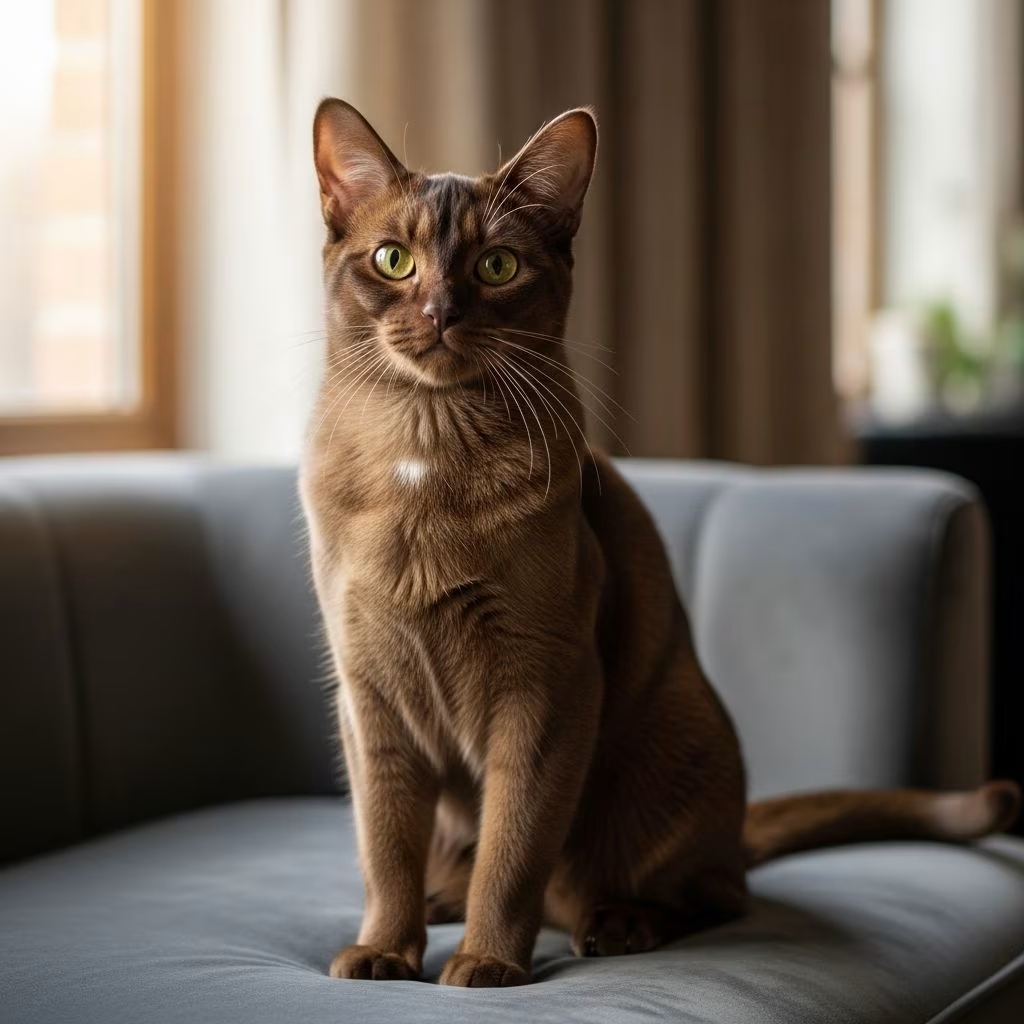
The Mandalay cat represents one of the most intriguing and exclusive feline breeds in the modern cat world. Originating from New Zealand in the 1970s and 1980s, this rare breed combines the sophisticated elegance of Burmese cats with the robustness of domestic shorthairs, creating a distinctive companion that captivates cat enthusiasts worldwide. With their striking solid-colored coats, expressive eyes, and engaging personalities, Mandalay cats have earned a devoted following despite their limited availability outside their native country.
Origins and Development of the Mandalay Breed
The Mandalay breed emerged through a series of fortunate accidents rather than deliberate planning, making its creation story particularly fascinating. The journey began in the early 1970s when Dorothy Horton and Pat Hogan, breeders operating in New Zealand’s southern region, witnessed an unexpected mating between a cream-colored female Burmese cat and a red domestic shorthair. This chance encounter produced kittens displaying a stunning deep russet-red coloration with lustrous, glossy coats that immediately captured the breeders’ attention and imagination.
The second pivotal moment in Mandalay history occurred in 1988 when a seal-colored Burmese female cat belonging to breeder Jan Parson crossed paths with a black domestic shorthair cat in New Zealand’s northern region. The resulting offspring exhibited striking jet-black coats with amber eyes and exceptionally shiny fur. These remarkable developments inspired the involved breeders to establish formal breeding programs aimed at consistently reproducing these beautiful cats with their distinctive rich, solid coloring.
Recognizing the potential of this emerging breed, Dorothy Horton, Pat Hogan, Jan Parson, and fellow passionate breeders collaborated to develop comprehensive breeding standards and guidelines. Their dedicated efforts culminated in a significant achievement: the New Zealand Cat Fancy officially recognized the Mandalay as a distinct breed in June 1990, allowing cats meeting the established criteria to be registered on the NZCF Pedigree Cat Register. For over two decades following this recognition, New Zealand remained the sole breeding location for Mandalays until interest in the breed expanded to Australia in 2013.
Physical Characteristics and Appearance
Mandalay cats exhibit a distinctive appearance that reflects their Burmese heritage while maintaining their own unique identity. These medium-sized felines typically weigh between 3 to 6.5 kilograms, presenting a compact yet muscular build. Their bodies display the same refined structure and graceful proportions associated with Burmese cats, characterized by elegant lines and well-developed musculature beneath their short coats.
One of the most defining features of Mandalay cats is their requirement for solid coloration. Unlike many cat breeds that display multiple colors, patterns, or markings, Mandalays must be entirely one color throughout their entire coat. This stringent requirement distinguishes them from similar breeds and serves as a primary identifier of the breed standard. While black represents the most common and traditionally recognized color, Mandalays also appear in other rich, deep solid hues including brown and red variations.
The breed’s coat texture deserves special attention, as Mandalays possess short, glossy fur that lies close to their body. This shiny, lustrous appearance contributes significantly to their aesthetic appeal and represents a direct inheritance from their Burmese ancestry. Their expressive, large eyes typically display an amber or golden tone that creates a compelling and intelligent expression. Combined with their alert facial features and moderate ear size, these characteristics contribute to an overall appearance of sophistication and grace.
Temperament and Behavioral Traits
Mandalay cats are renowned for their dynamic and engaging personalities, making them exceptional companions for households seeking interactive and affectionate pets. These felines demonstrate a high energy level that drives them to seek mental stimulation, physical activity, and constant engagement with their environments and human family members. Their playful nature means they require regular interactive play sessions and access to climbing structures to satisfy their need for physical expression.
Social by nature, Mandalays form strong bonds with their human families and genuinely enjoy being in the company of their loved ones. They are vocal communicators who freely express their needs and emotions through various vocalizations, and they actively seek attention and interaction from family members. This attention-seeking behavior, while endearing to many owners, means these cats thrive best in homes where family members can dedicate substantial time to companionship and play.
Mandalay cats typically display good temperament around children when properly socialized, and they can coexist peacefully with other household pets. Their affectionate disposition makes them loyal family members who enjoy being involved in household activities and following family members around their homes. However, potential owners should understand that these cats are not independent, aloof creatures; rather, they require regular human interaction and mental engagement to remain happy and well-adjusted.
Care Requirements and Grooming Needs
Maintaining a Mandalay cat’s health and appearance involves straightforward grooming practices suited to their short coat type. Weekly brushing sessions prove sufficient to maintain their glossy coat condition, distribute natural oils, and minimize shedding. This grooming routine also provides valuable bonding time between cats and their owners while allowing early detection of any skin conditions or health concerns.
Beyond coat maintenance, Mandalay cats require standard feline care including regular veterinary check-ups, appropriate vaccinations, and preventative health measures. Dental hygiene deserves attention, as do nail trimming and ear cleaning as needed. Owners should provide environmental enrichment through climbing trees, interactive toys, and window perches that allow these active cats to satisfy their natural instincts and observe outdoor activity.
Nutrition plays a crucial role in maintaining optimal health for Mandalay cats. A high-quality diet formulated for adult cats of their size and activity level supports their muscular build and energy requirements. Owners should consult with veterinarians to determine appropriate feeding amounts and select nutritionally balanced food options that support long-term health and wellness.
Living Environment and Space Considerations
Mandalay cats thrive in environments that accommodate their high activity levels and social needs. These energetic felines benefit significantly from vertical spaces such as cat trees, shelving, and window perches that allow them to climb, explore, and survey their surroundings. Access to windows provides valuable entertainment through bird watching and outdoor observation, which helps satisfy their mental stimulation needs.
While Mandalays can adapt to indoor living, they appreciate spacious environments with multiple rooms and varied areas for exploration and play. Homes with access to secure outdoor spaces provide ideal settings, as many Mandalays enjoy supervised outdoor time. For apartment dwellers, interactive play sessions and environmental enrichment become increasingly important to prevent boredom and associated behavioral issues.
Creating a stimulating indoor environment involves providing various toys, puzzle feeders, and interactive play opportunities throughout the day. Owners should establish play routines that engage these cats mentally and physically, helping them expend their considerable energy in appropriate ways. The presence of multiple family members who can interact with the cat throughout the day proves beneficial for these social, attention-seeking animals.
Health Considerations and Lifespan
Mandalay cats generally enjoy good health with a typical lifespan ranging from 13 to 18 years when provided with appropriate care, nutrition, and veterinary attention. As a relatively young breed with limited genetic diversity, potential owners should seek reputable breeders who conduct health testing and maintain detailed pedigree records. Blood type incompatibility issues have been documented in some breeding programs, highlighting the importance of genetic awareness and responsible breeding practices.
Regular veterinary care throughout a Mandalay’s life helps identify and address health concerns early. Owners should maintain updated vaccination records, schedule annual wellness examinations, and discuss any breed-specific health considerations with their veterinarian. Monitoring weight, ensuring appropriate exercise, and maintaining dental health contribute to longevity and quality of life.
Distinguishing Mandalay Cats from Similar Breeds
The solid-color requirement serves as the primary distinguishing feature separating Mandalays from their Burmese ancestors and other similar breeds. While Burmese cats may display color point patterns or variations, Mandalays must be entirely uniform in coloration. This characteristic makes identification straightforward: any cat advertised as Mandalay that displays multiple colors, patterns, or markings does not meet breed standards and should not be marketed as a purebred Mandalay.
Beyond coloration, Mandalays share many physical and temperamental similarities with Burmese cats, reflecting their close genetic relationship. Size, stature, body structure, and personality traits overlap significantly between the two breeds. Understanding these relationships helps prospective owners appreciate the Mandalay as a distinct breed that evolved from Burmese foundations while developing its own unique identity and standards.
Availability and Adoption Considerations
The rarity of Mandalay cats outside New Zealand significantly impacts their availability and adoption prospects. For decades, breeding efforts remained concentrated exclusively in New Zealand, limiting access to this breed internationally. While some breeding programs have expanded to Australia and other locations, Mandalays remain extraordinarily rare in most parts of the world. Prospective owners interested in obtaining a Mandalay cat should research reputable breeders carefully, verify credentials with breed registries, and be prepared for extended wait times and potentially significant financial investments.
The breed’s rarity and exclusivity contribute to their mystique and appeal among dedicated cat enthusiasts. However, this scarcity also means that potential owners may encounter limited information and fewer available resources compared to more common breeds. Connecting with breed clubs, online communities, and established breeders provides valuable opportunities to learn from experienced Mandalay cat owners and make informed decisions about breed suitability.
Key Breed Distinctions and Highlights
- Burmese Heritage: Mandalay cats inherit the sophisticated personality and refined physical structure of Burmese cats, though with distinctive solid coloration
- Solid Coloration Only: The requirement for uniform, single-color coats distinguishes Mandalays from other breeds and serves as a defining breed characteristic
- Exceptional Rarity: Limited breeding efforts outside New Zealand make Mandalays among the rarest cat breeds globally
- High Energy and Sociability: These cats demand significant human interaction, regular play, and mental stimulation
- Glossy, Short Coats: Their distinctive lustrous fur requires minimal grooming yet provides striking visual appeal
- Medium Size with Muscular Build: Weighing between 3 to 6.5 kilograms, Mandalays display well-developed musculature and athletic capability
Is a Mandalay Cat Right for Your Home?
Prospective Mandalay cat owners should honestly assess whether their lifestyle accommodates this breed’s substantial social and environmental needs. These cats excel in homes where family members can dedicate considerable time to interactive play, companionship, and engagement. They are not ideal for households where cats must spend extended periods alone, as their social nature and attention-seeking behavior may lead to problematic behaviors or emotional distress.
Families with children and other pets can often provide ideal homes for Mandalays, provided proper introductions and socialization occur. The breed’s playful and affectionate disposition makes them excellent family companions. However, owners must be prepared for vocal communication, maintain patience with attention-seeking behaviors, and provide appropriate outlets for the cat’s considerable energy.
Apartment dwellers can successfully house Mandalays if they commit to providing enriched environments, regular interactive play, and consistent engagement. The breed’s compact size suits smaller living spaces, though they benefit from vertical territory and varied areas for exploration. Owners should assess their ability to provide these environmental requirements before committing to this demanding breed.
Finding Reputable Mandalay Breeders
Given the breed’s rarity and limited availability, finding reputable Mandalay breeders requires research and diligence. Potential buyers should seek breeders registered with recognized cat fancies and breed organizations, particularly the New Zealand Cat Fancy or equivalent registries in their regions. Reputable breeders maintain transparent health records, conduct genetic testing, and can provide detailed pedigree information and references.
Questions for potential breeders should address health screening practices, breeding philosophies, genetic diversity initiatives, and support provided after adoption. Responsible breeders take responsibility for cats throughout their lives and welcome buyer inquiries about their breeding practices. Avoiding kitten mills, backyard breeders, or individuals unable to provide proper documentation protects both buyers and contributes to the breed’s ethical development.
Frequently Asked Questions
What is the typical price range for Mandalay cats?
Mandalay cats are expensive due to their rarity and specialized breeding requirements. Prices vary significantly based on breeder reputation, pedigree, location, and demand, but prospective buyers should expect to invest substantial amounts when acquiring a Mandalay from reputable sources. International purchases may involve additional costs for transportation and export documentation.
Do Mandalay cats require outdoor access?
While Mandalays can thrive as indoor cats with appropriate environmental enrichment and human interaction, many enjoy secure outdoor access when available. Indoor-only cats require compensatory mental and physical stimulation through interactive play, climbing structures, and environmental enrichment to maintain behavioral health and happiness.
Are Mandalay cats hypoallergenic?
No cat breed is truly hypoallergenic, including Mandalays. While their short coats may produce fewer allergens than long-haired breeds, individuals with cat allergies may still react to Mandalay cats. Potential owners with allergies should spend time with the breed before committing to ownership.
How do Mandalay cats compare to Bombay cats?
While both breeds can display black coloration and share some aesthetic similarities, Mandalays descend specifically from Burmese and domestic shorthair crosses in New Zealand, while Bombay cats have different breeding origins and development. They represent distinct breeds with different standards and genetic backgrounds despite occasional visual similarities.
What colors do Mandalay cats come in?
Mandalay cats are always solid, single-color cats. Black represents the most common and traditionally recognized color, but these cats also appear in other rich, deep solid colors including brown and red variations. Any multi-colored or patterned cat cannot be considered a true Mandalay.
References
- Omlet Pets: Mandalay Cat Breed Information — Omlet. Accessed 2026. https://www.omlet.us/breeds/cats/mandalay/
- Mandalay History and Development — Miamber and Blackglama Cattery. https://www.burmilla-cat.net/about-4
- About Mandalay Breed — Cairistona New Zealand Cattery. https://www.cairistona.co.nz/about-mandalay/
- Mandalay Cat Breed Overview — Animalia Pet Database. https://animalia.bio/pets/mandalay
- Mandalay Cat Breed: Characteristics and Care — Catster. https://www.catster.com/cat-breeds/mandalay-cat/



