

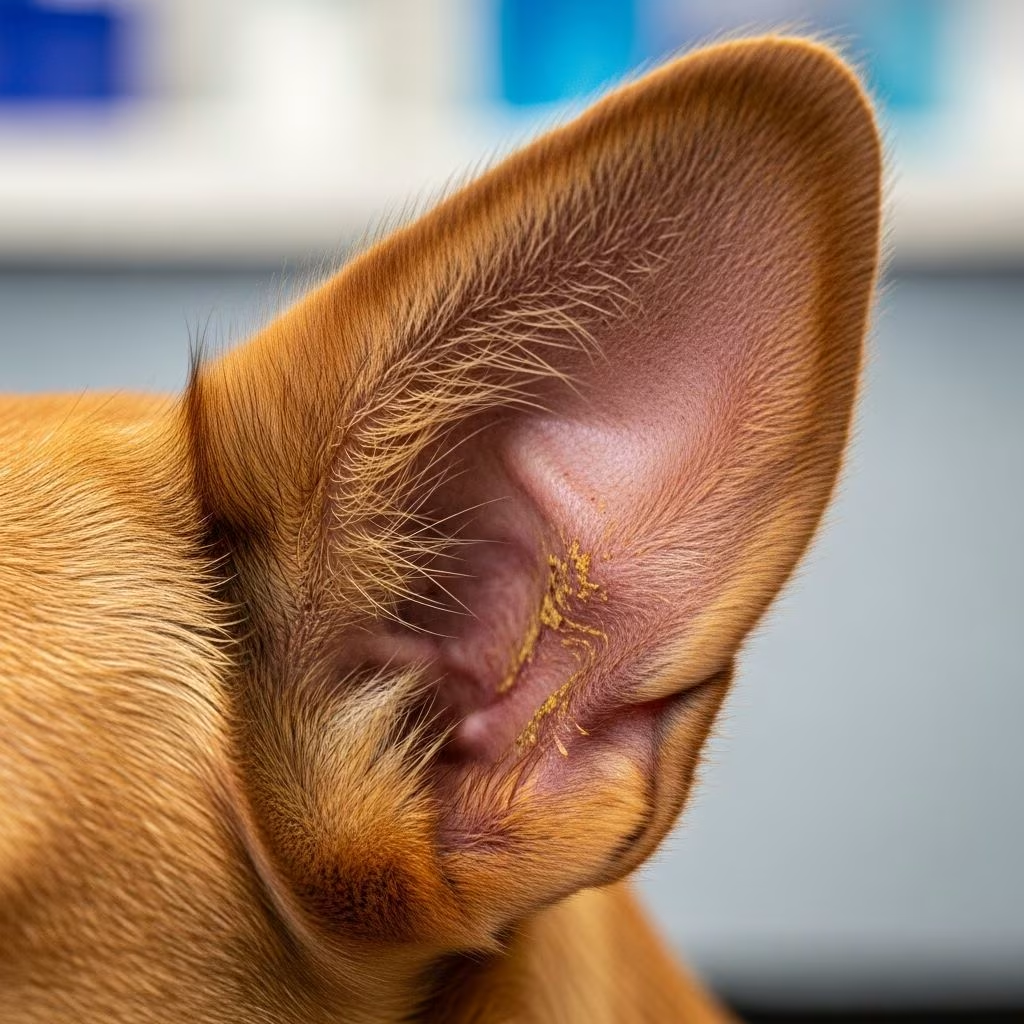
Yeast overgrowth, often involving Candida species, represents a frequent health challenge for dogs, disrupting skin, digestive systems, and immunity. This condition arises when normal yeast populations explode due to imbalances, leading to discomfort and recurring issues. Pet owners can address it through targeted diet shifts, natural supports, and professional care, promoting long-term equilibrium.
Understanding Yeast’s Role in Canine Health
Yeast organisms like Candida naturally reside on a dog’s skin, in the mouth, ears, and intestines, maintaining microbial harmony when balanced. Disruptions allow overproliferation, causing infections in vulnerable areas such as skin folds, paws, ears, and the gastrointestinal tract. Immunocompromised dogs or those on prolonged antibiotics face heightened risks, as these factors suppress beneficial bacteria.
Environmental triggers, including high humidity, allergens like pollen or mold, and excessive moisture from swimming, exacerbate growth. Diets rich in sugars and carbs provide ideal fuel, while stress or overexercise can indirectly contribute by altering immune responses. Recognizing these dynamics empowers proactive management.
Recognizing Common Signs of Imbalance
Early detection hinges on observing subtle shifts. Skin manifestations include relentless itching, redness, greasy or flaky patches, and a distinctive musty odor, particularly around paws, armpits, groin, and ears. Dogs may lick or chew affected zones excessively, leading to hair loss, thickened pigmentation, or secondary sores.
- Persistent scratching or biting at paws, belly, or flanks
- Dark, leathery skin changes with oily discharge
- Foul-smelling ears with waxy buildup
- Recurrent hot spots or inflamed folds
Gut-related symptoms feature chronic diarrhea, bloating, gas, or alternating constipation, signaling internal proliferation. Systemic effects encompass lethargy, appetite loss, fever, weight decline, and vulnerability to other infections due to immune strain. Puppies, seniors, or breeds with skin folds like Bulldogs prove more prone.
Primary Causes and Risk Factors
Multiple elements converge to tip yeast into overdrive. Antibiotics decimate protective flora, creating vacuums for opportunistic yeasts. Underlying disorders such as diabetes, hypothyroidism, or Cushing’s disease impair regulation, fostering persistence.
| Risk Factor | Impact on Yeast Growth | Examples |
|---|---|---|
| Medications | Eliminates competing bacteria | Antibiotics, steroids |
| Medical Conditions | Weakens immunity or alters pH | Diabetes, allergies |
| Diet | Supplies fermentable fuels | High-carb kibble, treats |
| Environment | Promotes moisture retention | Humid climates, wet fur |
Allergens from food, environment, or fleas trigger inflammation, indirectly aiding yeast. Routine monitoring during illness or seasonal changes proves vital.
Diagnostic Approaches for Confirmation
Veterinarians employ cytology by scraping skin or ear debris, staining, and microscopic examination to visualize yeast forms. Cultures confirm species, while biopsies assess deeper involvement. Blood panels screen for predisposing issues like elevated glucose. Ruling out bacterial or parasitic mimics ensures precision.
Conventional Treatment Strategies
Addressing root causes alongside symptoms forms the cornerstone. Topical antifungals like miconazole or clotrimazole shampoos, wipes, or creams target localized sites, applied frequently for weeks. Oral fluconazole or ketoconazole tackles systemic cases, with liver monitoring due to potential toxicity.
Supportive measures include medicated baths weekly, keeping areas dry, and removing catheters if present. For hypersensitive dogs, immunotherapy reprograms reactions via injections or drops. Prognosis improves with compliance, though chronic cases demand ongoing vigilance.
Natural and Holistic Interventions
Complementary options restore balance gently, often with fewer side effects. Antifungal rinses blending vinegar, lemon juice, and peppermint oil cleanse skin effectively. Dietary herbs like oregano oil, pau d’arco, caprylic acid, or undecylenic acid inhibit growth when dosed appropriately.
- Probiotics replenish good bacteria, countering dysbiosis
- Immune enhancers such as echinacea bolster defenses
- Anti-inflammatory additions like turmeric or omega-3 oils reduce flare-ups
Detoxification via liver-supporting enzymes aids clearance of die-off debris, crucial during initial worsening. These approaches emphasize prevention, integrating seamlessly with vet plans.
Dietary Overhaul for Prevention
Nutrition profoundly influences microbial ecosystems. Transition to low-carbohydrate, high-protein fresh foods starves yeast while nourishing flora. Prioritize lean meats, vegetables, and fermented elements; shun grains, sugars, and processed items.
Sample Daily Meal Framework:
- 60-70% protein (chicken, fish, eggs)
- 20-30% low-glycemic veggies (broccoli, zucchini)
- 10% healthy fats (fish oil)
- Probiotic yogurt or kefir sparingly
Gradual shifts prevent digestive upset. Hydration and fiber from pumpkin support elimination.
Daily Care Routines to Maintain Balance
Consistency fortifies resilience. Weekly antifungal baths, ear cleanings with drying solutions, and paw rinses curb moisture. Trim fur in folds, use breathable bedding, and limit water exposure. Monitor weight, stool quality, and skin weekly.
Seasonal preventives like herbal sprays suit swimmers or humid-region dogs. Stress reduction through exercise and routines bolsters immunity.
Potential Complications and Monitoring
Untreated overgrowth invites secondary bacterial invasions, chronic allergies, or organ strain. Die-off phases may intensify symptoms temporarily, necessitating patience and detox. Regular vet check-ins track progress via cytology repeats.
FAQs on Yeast Management in Dogs
Can yeast overgrowth resolve without medication?
Yes, via strict diet and natural remedies, though vet oversight ensures safety and efficacy.
How long do treatments typically last?
2-6 weeks for topicals, months for oral meds; naturals may extend but offer sustained results.
Is yeast contagious to other pets or humans?
Rarely, as it thrives on individual imbalances, but hygiene prevents spread.
What breeds are most susceptible?
Those with folds (Pugs, Shar-Peis) or allergies (Labs, Terriers).
Can vaccines prevent yeast issues?
No, but allergy shots aid hypersensitive cases.
Long-Term Wellness Blueprint
Sustained health demands holistic vigilance: balanced nutrition, clean environments, prompt interventions, and annual wellness exams. Empowering owners with knowledge transforms yeast challenges into manageable aspects of vibrant canine life.
References
- Candidiasis in Animals — Merck Veterinary Manual. 2023. https://www.merckvetmanual.com/infectious-diseases/fungal-infections/candidiasis-in-animals
- Candidiasis in Dogs – Causes, Treatment and Associated Conditions — Vetster. 2024. https://vetster.com/en/conditions/dog/candidiasis
- Yeast Dermatitis in Dogs — VCA Animal Hospitals. 2023. https://vcahospitals.com/know-your-pet/yeast-dermatitis-in-dogs
- Thrush in Dogs – PetMD — PetMD. 2024. https://www.petmd.com/dog/conditions/infectious-parasitic/c_multi_candidiasis
- Yeast Infections in Dogs — Small Door Veterinary. 2023. https://www.smalldoorvet.com/learning-center/medical/yeast-infections-in-dogs



