

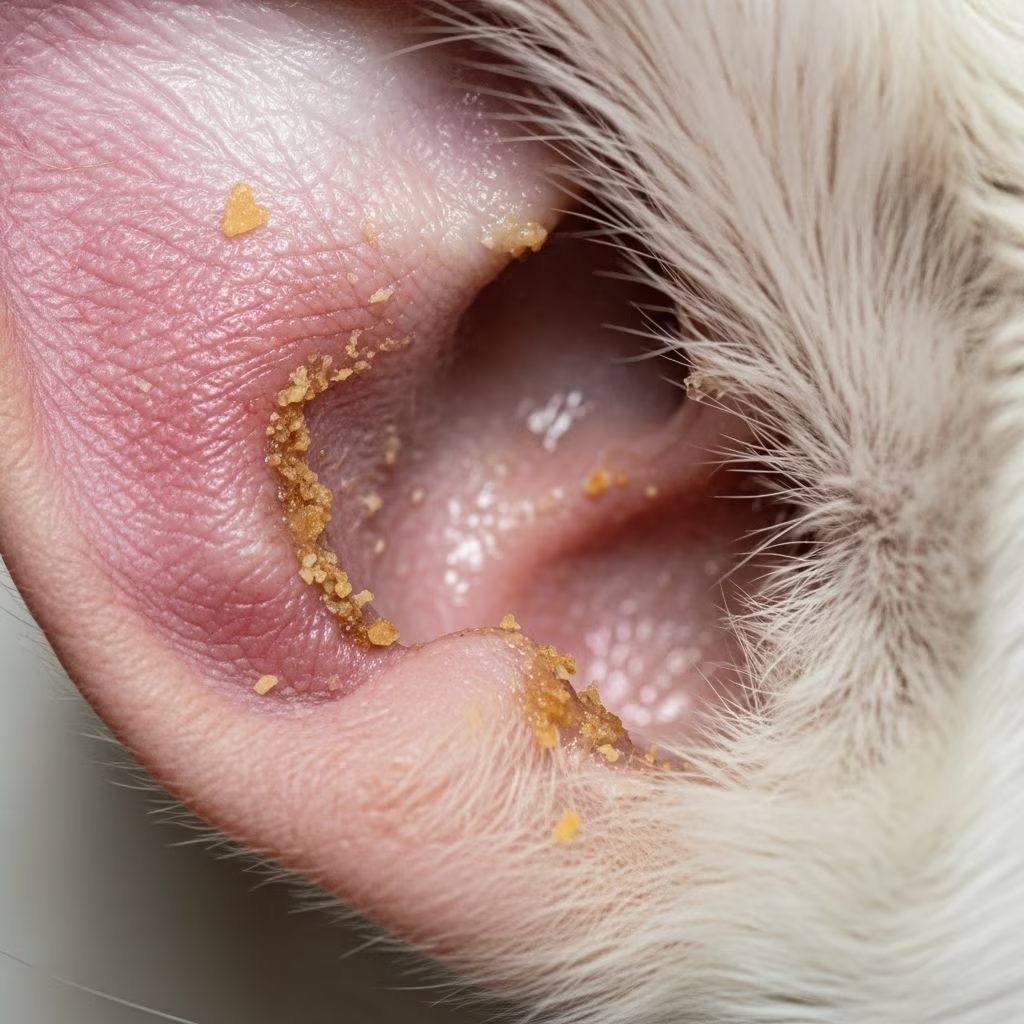
Yeast overgrowth, often involving Candida or Malassezia species, disrupts a dog’s natural microbial balance, leading to discomfort and health issues. This condition affects skin, ears, paws, and digestive systems, requiring prompt identification and targeted care.
Understanding Yeast in Canine Health
Yeast organisms like Candida albicans reside normally on a dog’s skin, mucous membranes, and gut without causing harm. Imbalances occur when factors suppress immunity or alter the microbiome, allowing proliferation. Common in moist areas such as ears, paws, and skin folds, these infections thrive in warm, humid environments.
Predisposing elements include prolonged antibiotic use, which kills beneficial bacteria; high-carbohydrate diets feeding yeast growth; allergies to food, pollen, or environmental triggers; and underlying diseases like diabetes or hypothyroidism that weaken defenses. Dogs with compromised skin barriers from excessive moisture or poor grooming also face higher risks.
Recognizing Common Signs of Yeast Imbalance
Early detection prevents escalation. Watch for these indicators:
- Intense itching, licking, or chewing, especially on paws, belly, or armpits
- Red, inflamed, or greasy skin with a distinctive musty or yeasty odor
- Thickened, darkened, or scaly patches, often in folds or between toes
- Recurrent ear infections with waxy, smelly discharge
- Digestive upset like chronic diarrhea, gas, or poor appetite
- Systemic signs such as lethargy, weight loss, or fever in severe cases
Symptoms mimic allergies or bacterial issues, so veterinary confirmation via skin scrapes, cytology, or cultures is essential. Paws often show limping alongside crusty discoloration.
Factors That Trigger Yeast Proliferation
| Risk Factor | Description | Impact on Yeast |
|---|---|---|
| Antibiotics | Long-term use disrupts gut flora | Allows opportunistic yeast takeover |
| High-Sugar Diets | Carb-heavy kibble or treats | Fuels rapid yeast reproduction |
| Immune Disorders | Diabetes, Cushing’s disease | Reduces ability to control growth |
| Environmental Moisture | Swimming, humid climates | Promotes skin and ear overgrowth |
| Allergies | Food or environmental | Causes inflammation aiding yeast |
Seasonal flares occur in summer, exacerbated by heat and water exposure. Breeds with floppy ears or heavy coats, like Spaniels or Retrievers, are more prone.
Diagnostic Approaches for Accurate Identification
Vets start with physical exams, noting lesion locations and odors. Cytology involves microscopic examination of skin swabs to spot yeast forms. Blood tests rule out systemic illness, while biopsies confirm deep infections. Fungal cultures identify specific strains for tailored therapy. Early diagnosis improves outcomes, as chronic cases harden skin and resist treatment.
Conventional Treatment Options
Medical interventions target both infection and root causes. Topical antifungals like miconazole or clotrimazole creams soothe paws and folds. Medicated shampoos with chlorhexidine or ketoconazole, used weekly, reduce surface yeast. Oral drugs such as fluconazole or itraconazole tackle widespread or internal issues, administered for 4-8 weeks with liver monitoring.
For ears, cleaning precedes ototopic drops. Indwelling catheters or devices are removed to eliminate breeding grounds. Concurrent management of diabetes or allergies enhances recovery. Most skin cases resolve in 2-4 weeks, though relapses demand higher doses or combos.
Holistic and Natural Support Strategies
Complementary methods restore balance gently. Antifungal rinses blend 1 gallon water, 1 cup each vinegar and lemon juice, plus 20 drops peppermint oil; apply post-shampoo, avoiding eyes, and air-dry. Herbs like oregano oil, pau d’arco, or caprylic acid supplements inhibit growth when added to meals.
Probiotics replenish good bacteria, while immune boosters such as echinacea support defenses. Low-carb, high-protein diets with fresh meats and veggies starve yeast. Enzyme supplements aid detoxification of die-off toxins, preventing flare-ups. Regular paw soaks in Epsom salts or diluted apple cider vinegar cleanse affected areas.
These approaches may take weeks longer than drugs but offer fewer side effects and sustainable prevention. Monitor for temporary worsening from yeast die-off.
Dietary Adjustments for Prevention
Nutrition is foundational. Shift to grain-free, low-glycemic foods emphasizing proteins like chicken, fish, and novel meats. Incorporate antifungals such as coconut oil (1 tsp per 10 lbs body weight) or pumpkin for fiber. Avoid sugars, potatoes, and corn. Hydration flushes toxins; bone broth soothes guts.
- Hydrate with filtered water
- Add fermented veggies for probiotics
- Rotate proteins to avoid sensitivities
Home Care Routines and Grooming Tips
Daily maintenance curbs recurrence. Dry dogs thoroughly after baths or swims. Trim hair in moist zones. Wipe paws post-walks with antifungal wipes. Clean ears weekly with vet-approved solutions. Maintain optimal weight to reduce skin folds.
Environmental tweaks include hypoallergenic bedding, air purifiers for allergens, and dehumidifiers in humid homes. Stress reduction via exercise and routines bolsters immunity.
Long-Term Management and Monitoring
Chronic cases require ongoing vigilance. Monthly vet check-ups track progress. Rotate treatments to prevent resistance. Seasonal preventives like summer rinses protect water-loving dogs. Track symptoms in a journal for pattern recognition.
Prognosis excels with adherence; most dogs achieve remission. Untreated overgrowth leads to secondary infections or organ strain.
Frequently Asked Questions
Can yeast infections spread between dogs?
Rarely directly, but shared environments or grooming tools facilitate transmission. Isolate symptomatic pets and disinfect.
How long do treatments last?
Topical: 2-4 weeks; systemic: 4-8 weeks or more. Continue 1-2 weeks post-symptom resolution.
Are natural remedies safe for all dogs?
Consult vets, especially for puppies, seniors, or those on meds. Dilute oils properly to avoid irritation.
Does breed matter for yeast issues?
Yes, floppy-eared or oily-skinned breeds like Cocker Spaniels face higher risks due to moisture retention.
Can diet alone cure yeast overgrowth?
It supports but rarely suffices alone; combine with topicals and address underlying causes.
References
- Candidiasis in Animals — Merck Veterinary Manual. 2023. https://www.merckvetmanual.com/infectious-diseases/fungal-infections/candidiasis-in-animals
- Candidiasis in Dogs – Causes, Treatment and Associated Conditions — Vetster. 2024. https://vetster.com/en/conditions/dog/candidiasis
- Yeast Dermatitis in Dogs — VCA Animal Hospitals. 2023. https://vcahospitals.com/know-your-pet/yeast-dermatitis-in-dogs
- Natural Candida Remedies in Dogs — WagWalking. 2023. https://wagwalking.com/treatment/natural-candida-remedies
- Thrush in Dogs — PetMD. 2024. https://www.petmd.com/dog/conditions/infectious-parasitic/c_multi_candidiasis



