

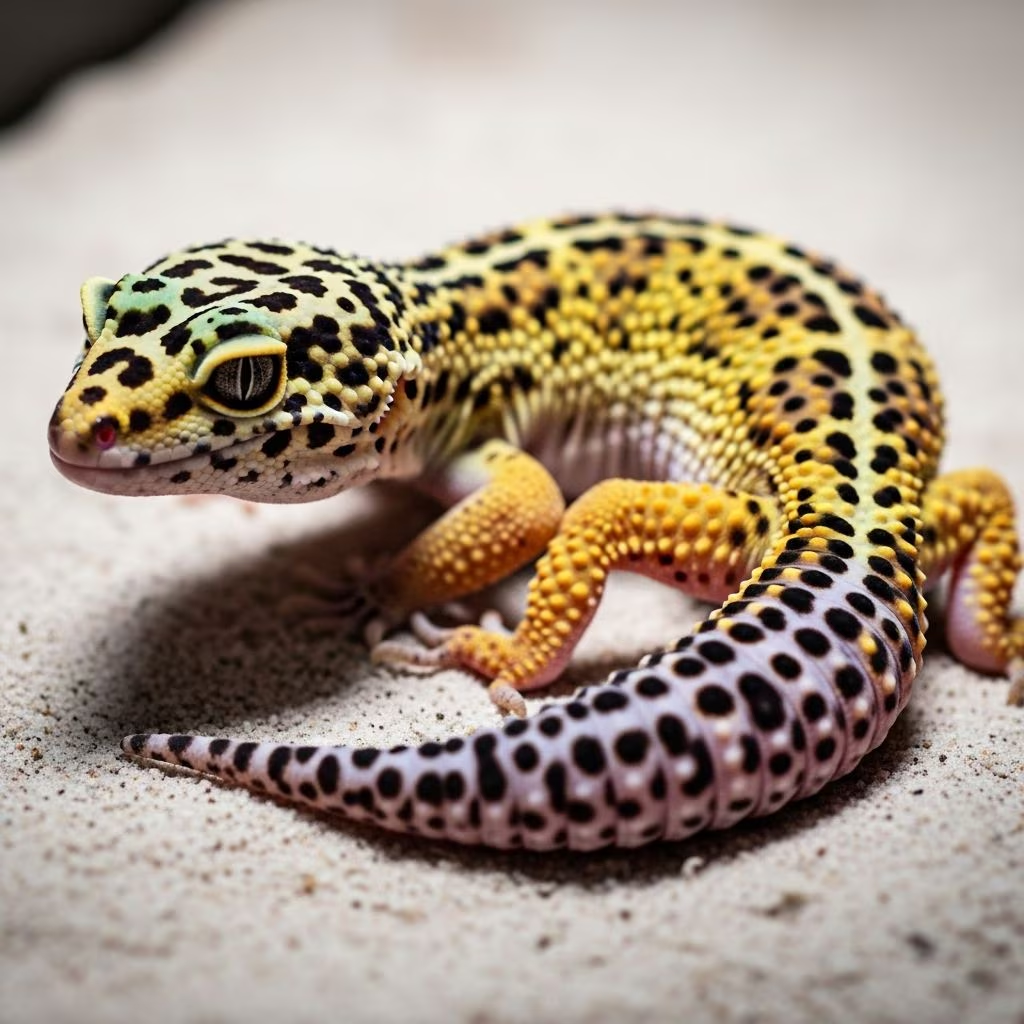
Leopard geckos, popular reptile pets known for their docile nature and striking patterns, often face weight-related challenges in captivity. Unlike their wild counterparts in arid Asian regions where food scarcity promotes lean bodies, captive geckos can easily become overweight due to consistent access to food. Proper weight management involves understanding ideal body conditions, tailoring diets, adjusting feeding frequencies, and promoting activity. This guide provides comprehensive advice drawn from reptile care expertise to keep your gecko thriving.
Understanding Ideal Body Condition
A healthy leopard gecko exhibits specific physical traits that indicate balanced nutrition and fitness. The tail serves as the primary fat storage site, thicker in the middle than at the base and no wider than the neck. The stomach remains mostly flat, except immediately after eating. Regular weighing—weekly for juveniles and biweekly to monthly for adults—helps track progress and spot issues early.
Owners should visually assess their gecko: a lean silhouette with visible spine and ribs when gently palpated signals underweight status, while a distended abdomen or tail exceeding body width points to excess fat. These cues prevent silent obesity, as fat accumulation in the tail can mask broader health declines.
| Body Condition | Tail Appearance | Stomach | Recommended Action |
|---|---|---|---|
| Ideal | Thicker mid-tail, matches neck width | Flat | Maintain current regimen |
| Underweight | Thin, tapered | Concave | Increase feeding frequency, vet check |
| Overweight | Base thicker than neck, bulbous | Distended | Reduce portions, low-fat diet |
Common Causes of Excess Weight
Overfeeding tops the list of obesity culprits, as geckos instinctively gorge when food is plentiful. High-fat feeders like waxworms or butterworms, meant as occasional treats, contribute if overused—some geckos even develop preferences, rejecting leaner options. Inactivity from small enclosures exacerbates this, limiting natural hunting behaviors. Seasonal factors, like reduced winter appetite, can confuse owners into compensatory overfeeding upon resumed eating.
- Excessive portions beyond 2 insects per inch of body length.
- Daily adult feedings instead of every other day.
- Lack of enclosure space for climbing and exploration.
- Reliance on fatty insects without variety.
Optimal Feeding Schedules by Life Stage
Feeding frequency varies with age and condition to match growth needs and prevent fat buildup. Newborns and juveniles require daily meals to fuel rapid development, aiming for steady length gains of about 1 inch monthly in the first 8 months. Transition to every other day for young adults, extending to every 3-5 days for mature geckos with fuller tails.
Portion control is key: offer 2 appropriately sized insects (head width matching eye spacing) per inch of gecko length per session. For adults, 3-5 insects 3-4 times weekly suffices, adjustable based on body score. Feed late afternoon or evening to align with nocturnal instincts.
- Juveniles (0-12 months): Daily, 4-7 insects total.
- Adults (healthy): Every 2 days, 4-6 insects.
- Overweight adults: Every 5 days, 2-4 low-fat insects.
Selecting the Best Feeder Insects
A varied, insect-only diet mimics natural foraging. Prioritize low-fat staples like dubia roaches, crickets, and mealworms, rotating to avoid pickiness and nutritional gaps. Superworms and silkworms add diversity but sparingly due to fat content. Avoid solely high-fat options like butterworms, which risk addiction and calcium imbalances.
Gut-loading elevates nutrition: 12-48 hours before offering, feed insects leafy greens, veggies, or commercial blends like Repashy SuperLoad. Dust with calcium and D3 (no D3 every third feeding) or multivitamins to counter insect exoskeleton calcium deficiencies.
- Top choices: Dubia roaches (lowest fat), crickets (high activity).
- Treats: Silkworms, hornworms (moderate use).
- Avoid over-relying on: Waxworms, butterworms.
Habitat Tweaks for Better Fitness
Enclosure design directly impacts weight. Minimum 20-gallon setups for singles, larger for pairs, with vertical elements like branches and hides encourage movement. Temperature gradients (warm side 88-92°F, cool 75-80°F) prompt thermoregulation via activity. UVB lighting, though optional, boosts appetite regulation and bone health.
Increase ‘exercise’ by scattering food, using larger prey for chase, or adding climbing structures. Monitor for lethargy post-meal, a red flag for overfeeding.
Health Risks of Obesity
Excess weight strains organs, leading to hepatic lipidosis (fatty liver disease) with symptoms like regurgitation, fluid retention, and anorexia. Heart issues, joint problems, and reduced lifespan follow. Early intervention via diet shifts to low-fat feeders and veterinary bloodwork averts crises.
Underweight geckos risk weakness; offer small, frequent meals of calcium-dusted mealworms for 10-15 minutes, seeking vet care for refusal or shedding woes.
Step-by-Step Weight Correction Plans
For Overweight Geckos
Reduce to every 5 days, dubia roaches only, dusted properly. Enlarge habitat, weigh biweekly. Expect gradual tail slimming over breeding or brumation cycles.
For Underweight Geckos
Feed daily small amounts, mix mealworms and multivitamins. Address parasites or illness via exotic vet.
Monitoring and Long-Term Maintenance
Log weights, photos, and feeding logs. Annual vet exams catch subclinical issues. Variety prevents boredom, ensuring enthusiastic eating without excess.
Frequently Asked Questions
How do I know if my leopard gecko is overweight?
Check if the tail base exceeds neck width or stomach protrudes chronically. Weigh regularly against age norms.
Can I feed my gecko every day as an adult?
No, unless breeding or recovering; standard is every other day to avoid obesity.
What if my gecko refuses food?
Offer in evenings, gut-load well. Persistent refusal warrants vet visit for underlying issues.
Is UVB necessary for weight management?
Not essential but aids overall vitality and activity levels.
How long to gut-load insects?
12-48 hours with nutrient-rich foods for maximum benefit.
References
- Leopard Gecko food and diet advice – ExoticDirect — ExoticDirect. 2023. https://exoticdirect.co.uk/news/what-should-leopard-geckos-eat-food-and-dietary-requirements/
- Leopard Gecko Weight: How To Manage It — YouTube (Reptile channel). 2022-10-15. https://www.youtube.com/watch?v=HZIU6CTykRU
- Leopard Gecko Complete Food Guide — Zen Habitats. 2024. https://www.zenhabitats.com/blogs/reptile-care-sheets-resources/leopard-gecko-complete-food-guide
- Leopard Gecko Care Guide — MorphMarket Reptile Community. 2023-05-20. https://community.morphmarket.com/t/leopard-gecko-care-guide/39838
- Caring For Your Pet Leopard Gecko — Pender Veterinary Centre. 2024. https://www.pendervet.com/blog/caring-for-your-pet-leopard-gecko
- Leopard Gecko Feeding Info — ReptiFiles. 2023. https://reptifiles.com/leopard-gecko-care/leopard-gecko-feeding/
- Leopard Geckos: Care and Feeding — VCA Animal Hospitals. 2024. https://vcahospitals.com/know-your-pet/leopard-geckos-care-and-feeding



