

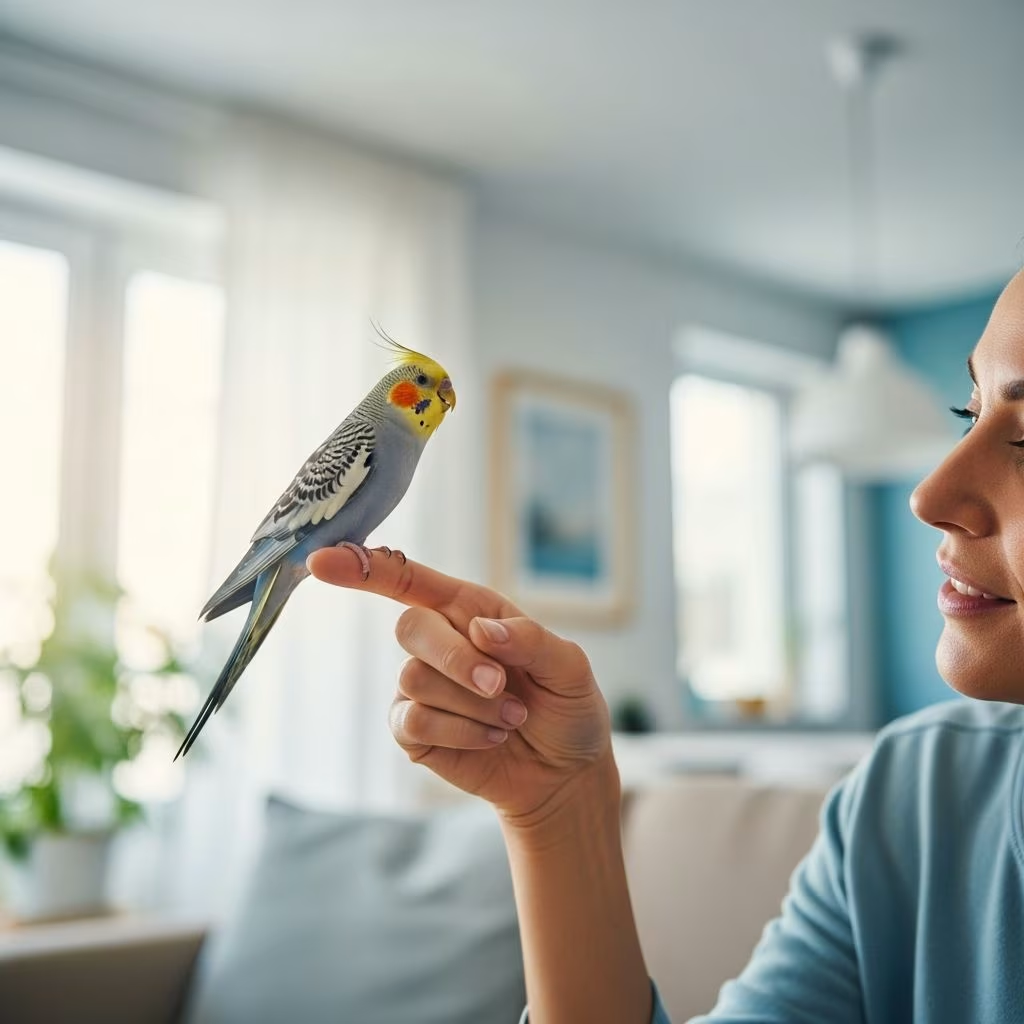
Pet birds, particularly parrots, often fill homes with vibrant sounds, but when these turn into persistent screaming, it signals underlying distress or unmet needs. Addressing this requires pinpointing triggers like inadequate environments, hormonal shifts, or health concerns, then implementing targeted changes for calmer interactions.
Recognizing Signs of Vocal Distress
Birds vocalize naturally to communicate, but excessive noise disrupts households. Key indicators include prolonged shrieks lasting beyond normal 15-20 minute flock calls, escalating contact calls when alone, or screams paired with aggression and feather damage.
- High-pitched distress calls: Triggered by separation from preferred people, mimicking wild flock separation anxiety.
- Repetitive screeching: Often tied to boredom, manifesting as attention bids or frustration from confinement.
- Nocturnal noise: Linked to sleep loss, where birds need 10+ hours of rest but face household disturbances.
Early detection prevents escalation to self-harm like feather plucking, common in stressed species such as cockatoos and African greys.
Environmental Factors Fueling Noise
Captive birds thrive on stimulation mirroring their wild habitats. Poor setups amplify vocal issues by breeding frustration.
| Issue | Impact on Vocalization | Solution Preview |
|---|---|---|
| Small cages | Leads to stereotypies like pacing, prompting screams for release | Upgrade to flight space |
| Isolation | Excessive calling for flock contact | Foraging toys, mirrors |
| Light/sleep disruption | Irritability from <10 hours sleep | Covered cage at night |
Over-confinement, as in parrots spending 90% of time caged, rivals issues in under-exercised dogs, fostering noise as a cry for freedom.
Hormonal Influences on Bird Screams
Seasonal breeding drives amplify calls, regurgitation, and territorial yells, especially in hand-reared birds sexually imprinted on owners. Symptoms peak 2-5 years post-fledging, with females shredding paper for nests and males displaying aggressively.
- Triggers: High-fat seeds signaling ‘spring,’ 12+ light hours daily.
- Effects: Panting, masturbation, favoring one person amid screams.
Unchecked, this leads to chronic stress, anemia, or liver issues, underscoring vet checks for tumors.
Stress and Fear as Noise Catalysts
Fear from predators like cats or changes sparks defensive screams, while boredom yields repetitive yells. Biting often accompanies, misread as dominance but rooted in anxiety. PetMD notes feather picking follows unresolved stressors like construction noise.
Dominance arises in multi-bird setups, with territorial cage defense escalating vocals. Inadvertent rewards, like excited scolding, reinforce screaming via ‘drama attention’.
Health Underpinnings of Persistent Vocalization
Noise masks illnesses; vet exams via bloodwork rule out infections or nutrition gaps fueling irritability. ASPCA data shows screaming tops relinquishment reasons, worsened untreated.
Proven Strategies to Quiet Your Bird
Tailored fixes restore balance. Start with habitat audits.
Optimize Living Spaces
Provide spacious cages (minimum 4x wingspan) in quiet, lit areas for family views without overload. Add perches, swings, and shreddables for engagement.
Regulate Light and Rest
Enforce 10-12 dark hours using cage covers; avoid screens near bedtime.
Dietary Adjustments for Hormonal Calm
Shift to pellets (80% diet) low in fat, high in calcium/vitamin A to curb breeding cues. Limit seeds to treats.
Enrichment to Combat Boredom
Foraging puzzles, novel toys rotated weekly mimic wild scavenging, slashing screams by redirecting energy. Training sessions with clicks reinforce quiet behaviors positively.
- Praise calm perched birds with treats.
- Ignore screams; respond only to silence.
Socialization and Training Techniques
Expose young birds to diverse people; for adults, gradual desensitization reduces fear-based yells. Professional behaviorists aid severe cases.
Veterinary Interventions
Examine for pain or hormones; meds or cones prevent mutilation during recovery.
Species-Specific Noise Management
| Species | Noise Tendency | Key Fixes |
|---|---|---|
| African Grey | High; stress-sensitive | Mental puzzles, routine |
| Cockatoo | Extreme screaming | Large flights, pair bonding |
| Lovebird | Territorial chirps | Social housing, toys |
Preventive Care for Lifelong Quiet
Hand-rearing risks imprinting; opt for parent-raised where possible. Daily flights (1-2 hours), varied diets, and flock-like interactions preempt issues. Track changes in a journal for patterns.
Common Mistakes Bird Owners Make
- Yelling back: Mirrors and amplifies noise.
- Inconsistent routines: Heightens anxiety.
- Overlooking vet visits: Misses medical roots.
FAQs on Pet Bird Vocal Problems
Why does my parrot scream when I leave the room?
This mimics flock separation; provide toys and gradual alone-time training.
Can diet stop screaming?
Yes, balanced pellets reduce hormonal triggers unlike fatty seeds.
Is screaming always behavioral?
No; rule out pain or illness first via vet exam.
How long until training works?
Weeks to months with consistency; persistence pays.
Should I get a second bird?
Only if compatible; mismatches worsen aggression.
Implementing these steps fosters content birds, minimizing noise through empathy and science-backed care.
References
- Behavioural Problems in Companion Parrots — Avian Welfare Coalition. Accessed 2026. https://www.avianwelfare.org/issues/articles/behaviouralproblems.html
- 5 Tips to Correct Bad Bird Behavior — PetAssure. Accessed 2026. https://www.petassure.com/maxscorner/tips-on-correcting-bad-bird-behavior/
- Avian Behavior Problems — ASPCApro. 2012. https://www.aspcapro.org/sites/default/files/aspca_behavior_issues_in_birds_webinar_slides.pdf
- Behavioral Problems in Pet Birds — Cascade Kennels. Accessed 2026. https://www.cascadekennels.com/bird-behavioral-problems/
- How To Tell If a Bird Is Stressed, Depressed, or Anxious — PetMD. Accessed 2026. https://www.petmd.com/bird/behavior/how-tell-if-your-bird-unhappy-or-stressed-and-what-do
- Hormonal Behavior in Pet Birds – Introduction — For The Birds DVM. Accessed 2026. https://www.forthebirdsdvm.com/pages/hormonal-behavior-in-pet-birds-pt-1
- Uncover The Pitfalls Of Problem Behaviors In Companion Parrots — Lafeber. Accessed 2026. https://lafeber.com/pet-birds/uncover-the-pitfalls-of-problem-behaviors-in-companion-parrots/
- Bird Behavior Problems — All Creatures Veterinary Hospital. 2021-05-26. https://www.creaturehealth.com/2021/05/26/bird-behavior-problems/



