

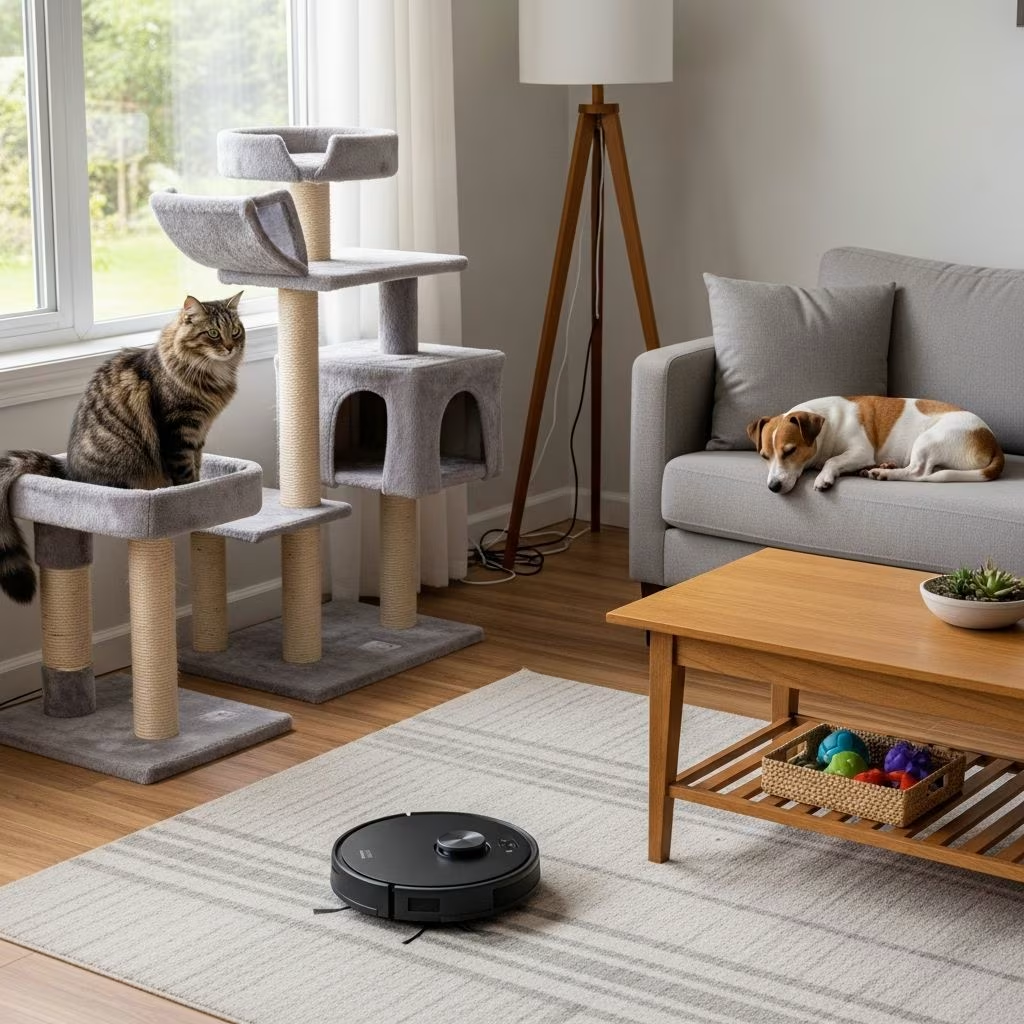
Pet owners face a unique challenge when it comes to maintaining a clean home: balancing household cleanliness with the comfort and safety of their animal companions. Vacuuming is an essential part of home maintenance, especially in households with shedding pets, but the process can create stress for animals and requires careful consideration of both equipment and technique. Understanding how to integrate vacuuming into your pet care routine while prioritizing animal welfare is crucial for creating a harmonious living environment.
The Impact of Vacuums on Pet Behavior and Emotions
Vacuums produce significant noise levels and unpredictable movements that can trigger anxiety in pets. Many dogs experience stress when exposed to household cleaning equipment, as the combination of loud sounds and sudden motion creates an unsettling environment. The noise intensity of traditional vacuums can reach up to 80 decibels, which is particularly disturbing for animals with heightened sensitivity or those who have experienced traumatic noise events such as thunderstorms or fireworks.
The behavioral responses to vacuum operation vary depending on the animal and the type of equipment used. Some pets may exhibit fear responses including excessive barking, hiding in safe spaces, or attempting to escape the area. In extreme cases, anxiety can escalate to aggression or destructive behavior. Understanding these reactions is the first step toward creating a more comfortable situation for your pet.
Different Vacuum Types and Their Effects on Pets
Various vacuum models produce different noise levels and movement patterns, each affecting pets in distinct ways. Selecting the right type of equipment can significantly reduce stress on your animal companions.
| Vacuum Type | Noise Level | Movement Pattern | Typical Pet Reaction |
|---|---|---|---|
| Traditional Upright/Canister | 70–80 dB (High-pitched) | Human-controlled, unpredictable | Fear, anxiety, barking, hiding |
| Robot Vacuums | Quieter (varies by model) | Autonomous, patterned | Confusion, possible tracking behavior |
| Cordless Stick Vacuums | Moderate (55–70 dB) | Human-controlled, focused | Mild caution, less intimidating |
| Handheld Vacuums | Low to moderate (55–65 dB) | Human-controlled, compact | Mild curiosity, less fear |
| Central Vacuum Systems | Quiet (main unit distant) | Fixed location, low visibility | Minimal stress, low impact |
| Wet/Dry Vacuums | Moderate to loud (65–75 dB) | Human-controlled, limited | Mild anxiety, water noise concern |
Traditional upright vacuums remain the most common cause of fear and stress in pets due to their volume and unpredictable movements. Robot vacuums, while quieter, can confuse animals with their autonomous navigation patterns. Cordless stick vacuums often provide a middle ground, combining lower noise levels with more controlled operation. Handheld models create the least disturbance due to their smaller size and reduced noise output. Central vacuum systems offer the advantage of keeping the main unit away from living spaces, minimizing sensory impact on pets.
Desensitization Strategies for Pets
Helping your pet become accustomed to vacuum operation requires patience, positive reinforcement, and gradual exposure. The desensitization process should never involve force or coercion, as this can increase anxiety rather than resolve it.
Initial Introduction Phase: Begin by allowing your pet to investigate the vacuum while it remains turned off. Let them sniff the equipment, explore its components, and become familiar with its appearance and texture. This zero-pressure introduction helps pets recognize the device as a non-threatening object in their environment.
Positive Association Development: Once your pet has explored the stationary vacuum, introduce positive reinforcements. Offer treats, praise, and affection when your pet approaches or shows interest in the equipment. This creates a mental connection between the vacuum and positive experiences, gradually shifting their emotional response.
Sound Introduction: The next stage involves introducing the vacuum sound at a safe distance. Start the vacuum in a room separate from where your pet is located, or at the far end of a large space. Use a high-value reward such as a filled Kong toy to maintain your pet’s focus on the treat rather than the noise. If your pet stops eating or shows signs of stress, increase the distance and continue rewarding calm behavior.
Gradual Proximity Reduction: As your pet demonstrates comfort with the distant sound, slowly decrease the distance between them and the operating vacuum over multiple sessions. Keep exposure sessions brief and positive, always ending on a note of success rather than stress. Extending the duration and proximity should happen only when your pet consistently shows calm behavior.
Direct Contact Training: For pets who will tolerate closer contact, brief and gentle touches with vacuum attachments can be introduced while the device operates at a distance or during quiet moments. If your pet shows resistance, return to earlier steps rather than pushing forward. Some pets may never become completely comfortable with vacuuming but can learn to tolerate it with appropriate management strategies.
Practical Management Techniques During Cleaning
Beyond desensitization training, several practical strategies can minimize stress during regular vacuuming routines. Scheduling cleaning sessions when pets are in separate rooms provides a straightforward solution that eliminates the need for direct exposure. This approach works well for pets who may never become fully comfortable with the equipment.
For pets undergoing desensitization, keeping sessions short and positive prevents overwhelming their nervous systems. A few minutes of exposure with rewards is more effective than longer periods that may cause mounting anxiety. Maintaining a calm demeanor while operating the vacuum also influences pet responses, as animals often mirror the emotional state of their owners.
Selecting quieter vacuum models specifically designed with pet owners in mind can substantially reduce stress levels. Some robot vacuums produce only around 63 decibels, significantly quieter than traditional models, making them more suitable for sensitive animals. Establishing designated no-go zones for robot vacuums prevents unexpected encounters in spaces where pets prefer to rest.
Addressing Pet Hair Removal and Allergen Management
Beyond behavioral considerations, effectively managing pet hair and allergens is essential for maintaining a healthy home environment. Pet hair carries microscopic allergens including pollen, dander, and dust mites that can exacerbate allergies in both human and animal residents. Proper vacuuming technique and equipment selection directly impact air quality and overall cleanliness.
Suction Power Optimization: Stronger suction effectively removes pet hair that clings to fabric fibers and becomes embedded in carpet. Adjusting suction settings based on surface type and cleaning area ensures maximum effectiveness. Many modern vacuums feature automatic detection systems that activate optimal modes for different floor types.
Advanced Filtration Systems: HEPA (High-Efficiency Particulate Arresting) filters capture microscopic particles with 99.99% effectiveness, setting the standard for allergen control. These filters trap dust, dander, and bacteria that standard filtration systems allow to pass back into the air. When selecting a vacuum for a household with pets, HEPA filtration should be a primary consideration.
Regular Maintenance Requirements: Clogged filters reduce suction power and may release trapped particles back into the air, defeating the purpose of advanced filtration systems. Establishing a regular maintenance schedule that includes filter cleaning and replacement according to manufacturer guidelines maintains optimal performance. Some smart vacuum models send smartphone alerts when filter replacement is needed, helping owners stay on schedule.
Brush Roll Maintenance: Hair wrapped around brush rollers limits their ability to pick up new fur and can strain the motor. Regular removal of tangled hair keeps the brush spinning freely and maintains cleaning efficiency. Modern vacuums with anti-tangle designs featuring specialized bristle patterns reduce this maintenance burden.
Surface-Specific Vacuuming Approaches
Different surfaces in your home require tailored vacuuming approaches to effectively remove pet hair and maintain cleanliness. Hardwood and tile floors are susceptible to hair scattering, necessitating specialized attachments or vacuum types designed for hard surfaces. These surfaces benefit from focused cleaning techniques that prevent hair from spreading across the floor during vacuuming.
Carpets and rugs trap pet hair deep within fibers, requiring vacuums equipped with strong suction and rotating brushes capable of reaching embedded fur. High-traffic areas where pets frequently rest accumulate more hair and dander, warranting more frequent cleaning sessions. Upholstered furniture where pets rest requires dedicated attachments and adjusted suction settings to prevent damage while effectively removing hair.
Creating a Pet-Friendly Vacuuming Schedule
Establishing a consistent vacuuming routine helps manage pet hair accumulation while allowing pets to adapt to a predictable schedule. Regular cleaning of areas where pets spend significant time—such as bedding, favorite resting spots, and play zones—prevents excessive buildup of fur and dander. More frequent vacuuming in these high-traffic areas reduces the overall time spent operating equipment in shared spaces.
Washing pet bedding frequently prevents the accumulation of hair and allergens in sleeping areas, reducing the vacuuming burden elsewhere in the home. This complementary cleaning approach maintains air quality while minimizing the frequency of machine operation.
Frequently Asked Questions About Vacuums and Pets
Why do dogs exhibit fear responses to vacuums?
Dogs often fear vacuums due to the combination of loud noise, unpredictable movement, and sudden appearance of the equipment. The high-pitched sounds of traditional vacuums can be particularly disturbing for animals with sensitive hearing or previous negative noise experiences. The device’s sudden activation and movement patterns add to the sense of unpredictability that triggers fear responses in many pets.
Can all pets be trained to accept vacuum operation?
While desensitization training can help many pets become more comfortable with vacuuming, some animals may never fully accept the experience. The goal should be building tolerance rather than expecting complete comfort. Genetics, temperament, and early experiences influence how receptive an individual pet may be to desensitization efforts.
What is the best vacuum type for homes with multiple pets?
Homes with multiple pets benefit from vacuums that combine strong suction capability for effective hair removal with HEPA filtration for allergen control. Robot vacuums offer convenience for frequent cleaning, while central vacuum systems minimize noise exposure. The ideal choice depends on your specific pet situation, living space, and personal cleaning preferences.
How often should homes with pets be vacuumed?
The frequency of vacuuming depends on the number and shedding patterns of household pets. Homes with high-shedding dogs may require weekly or twice-weekly vacuuming to maintain cleanliness and air quality. Vacuuming high-shedding areas such as couches, rugs, and pet play zones more frequently than other areas provides a balanced approach.
Are there any safety concerns when vacuuming near pets?
Suction intake and hose ends should be kept away from pets’ skin, hair, and sensitive areas to prevent injury. Long cords pose tripping hazards and should be managed carefully during operation. The vacuum should never be left unattended while plugged in, and proper safety devices must be in place before operation. Ensuring all filters are in place prevents issues with dust release into the air.
Conclusion: Balancing Cleanliness and Pet Comfort
Successfully managing vacuuming in pet households requires integrating safety considerations with effective cleaning techniques and animal behavioral management. By understanding how different vacuum types affect pets, implementing gradual desensitization when appropriate, maintaining equipment properly, and scheduling cleaning strategically, pet owners can maintain clean, healthy homes while supporting the emotional wellbeing of their animal companions. The combination of the right equipment, regular maintenance, and pet-aware practices creates an environment where both cleanliness and pet comfort coexist harmoniously.
References
- Safety Guide for Vacuum Cleaners — Centaur Floor Machines. https://centaurmachines.com/wp-content/uploads/2020/12/Vacuum-Safety-Guide.pdf
- 9 Surprising Things Every Dog Owner Should Know About Vacuums — Dreame Technology. https://www.dreametech.com/blogs/blog/dog-owner-vacuum-cleaning-guide
- 8 Tips For Vacuuming Pet Hair The Best Way — Ecovacs. https://www.ecovacs.com/uk/blog/how-to-vacuum-pet-hair
- Tips for Vacuuming Pet Hair & Dander — Think Vacuums. https://www.thinkvacuums.com/how-to-properly-vacuum-pet-hair
- Vacuum Your Dog — Synergy Veterinary Behavior. https://www.synergybehavior.com/vacuum-dog/
- Tips for Vacuuming Pet Hair — PetMD. https://www.petmd.com/dog/care/tips-vacuuming-pet-hair



