

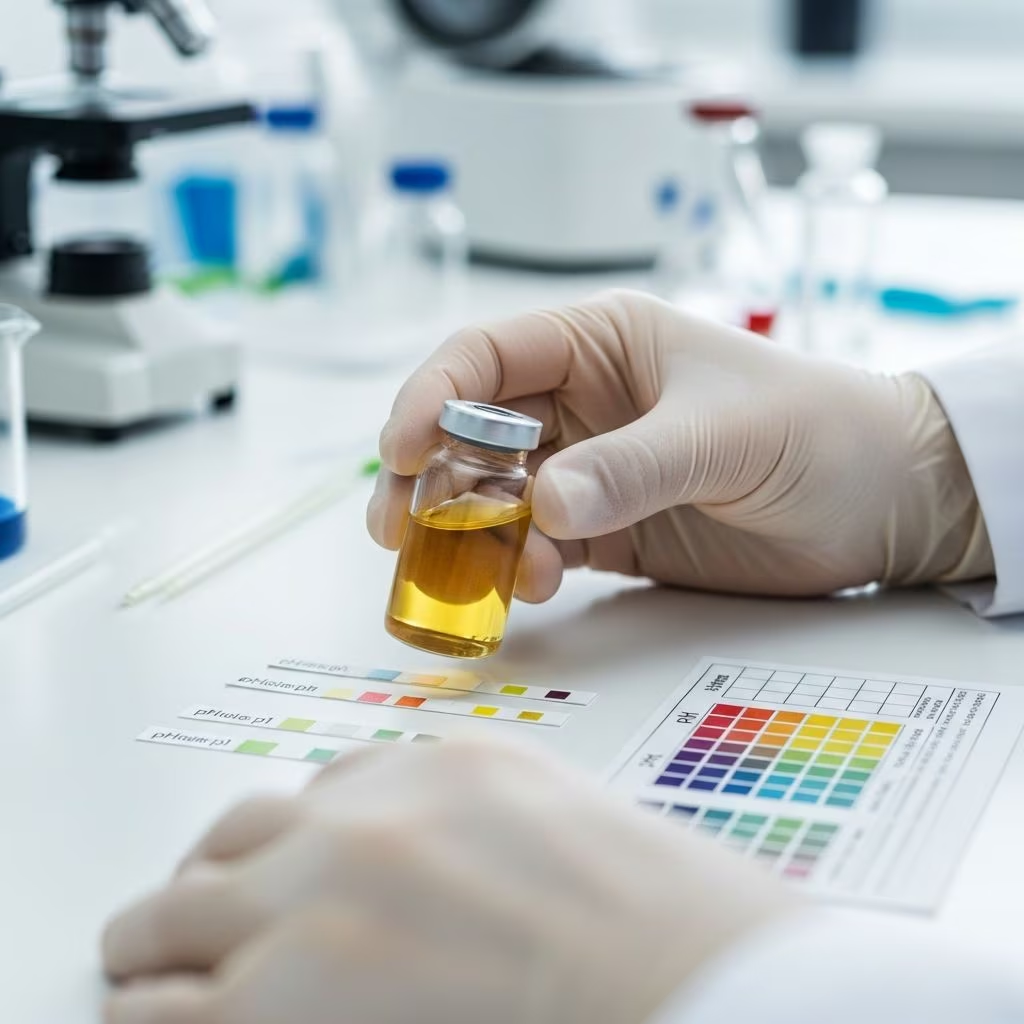
Urine pH plays a pivotal role in the formation, prevention, and dissolution of uroliths in dogs and cats. By precisely controlling this parameter through diet and medications, veterinarians can address conditions like struvite, calcium oxalate, urate, and cystine stones effectively. Optimal pH ranges vary by stone type: acidification below 6.5 dissolves struvite, while alkalinization to 7.0-7.5 targets urates and cystine.
Understanding the Role of Urine pH in Urolithiasis
Urine pH influences mineral solubility. Struvite (magnesium ammonium phosphate) forms in alkaline environments (pH >7), often linked to urease-producing bacterial infections like Staphylococcus. Acidifying urine to pH <6.5 enhances solubility and promotes dissolution. Conversely, calcium oxalate stones thrive in acidic urine (pH <6.5), necessitating alkalinization strategies. Urate and cystine uroliths require pH elevations to 7.5 or higher for better solubility.
Monitoring involves fresh urinalysis within one hour of collection to avoid artifactual crystal formation from refrigeration or time delays. Urine specific gravity (USG) should target <1.020-1.025 to dilute stone precursors alongside pH adjustments.
Acidifying Agents for Alkaline Urine Conditions
Acidifiers combat struvite uroliths by lowering pH. Methionine and ammonium chloride are traditional options, though rarely needed with modern diets. Therapeutic foods like Hill’s u/d promote pH 5.5-6.5 while reducing magnesium and phosphorus.
- Methionine: Converts to sulfuric acid, targeting pH <6.5; monitor for metabolic acidosis.
- Ammonium chloride: Increases hydrogen ions; dosage 50-100 mg/kg/day, divided.
- Dietary approaches: Protein restriction, increased carbohydrates/fiber lower pH naturally.
In struvite dissolution protocols, combine with antibiotics for urease-positive infections. Recheck pH monthly; if above target, confirm compliance or add supplements.
Alkalinizing Therapies for Acidic Urine Disorders
Potassium citrate is the cornerstone for raising pH in calcium oxalate, urate, and cystine cases. Metabolized to bicarbonate, it promotes alkaline urine (target 7.0-7.5) and boosts citrate excretion, chelating calcium. Dosage starts at 75 mg/kg BID, titrated based on serial urinalysis.
- For cystinuria: pH >7.5 enhances thiol drug efficacy like 2-mercaptopropionylglycine.
- Urate stones: Solubility peaks at pH ≥8.0; combine with allopurinol and low-purine diets.
- Calcium oxalate: pH 6.5-7.0 reduces relative supersaturation.
Sodium bicarbonate serves as an alternative (20-40 mg/kg BID), but risks sodium load in heart disease patients.
Dietary Influences on Urinary pH
Commercial diets are engineered for pH control. Acidifying formulas use sulfated/chlorided minerals (e.g., potassium chloride, magnesium sulfate); alkalinizing ones incorporate carbonates/phosphates.
| Nutrient/Component | Acidifying Effect | Neutral | Alkalinizing Effect |
|---|---|---|---|
| Protein | X | ||
| Carbohydrates | X | ||
| Fat | X | ||
| Fiber | X | ||
| Ash | X | ||
| Calcium carbonate | X | ||
| Potassium chloride | X | ||
| Monosodium phosphate | X |
Water intake is crucial; canned diets or added water achieve USG <1.025. Avoid acidifying diets in Dalmatians prone to urate stones.
Stone-Specific pH Management Protocols
Struvite Uroliths
Acidify to pH 6.0-6.5; dissolve in 4-12 weeks with antibiotics. Stent obstructed ureters for medicated urine access.
Calcium Oxalate
Alkalinize to 6.5-7.0; hydrochlorothiazide (1-2 mg/kg BID) reduces urinary calcium by 55-65%.
Urate and Ammonium Urate
Target pH ≥7.0-7.5; low-purine diets essential for breeds like Dalmatians.
Cystine Stones
Increase pH >7.5, limit protein/sodium, promote dilute urine, consider neutering.
For recurrence prevention, combine pH control with breed-specific risks (e.g., SLC2A9 mutation in Bulldogs).
Monitoring and Troubleshooting pH Therapy
Serial urinalysis every 1-4 weeks assesses efficacy. Home pH strips aid compliance but lack precision for crystals/USG.
- Persistent acidic urine: Escalate potassium citrate; consider bicarbonate.
- Over-alkalinization: Rare; switch diets or treat underlying UTI.
- Non-responders: Some animals resist changes; subcutaneous fluids or diet slurry may help.
Avoid empiric changes; test-guided adjustments prevent iatrogenic stone shifts (e.g., struvite to oxalate).
Potential Risks and Contraindications
Acidifiers risk hypokalemia, acidosis; alkalinizers may precipitate calcium phosphate if pH >7.5. Contraindicate acidifiers in oxalate-prone patients, alkalinizers in struvite cases. Growing/pregnant animals require standard diets.
Frequently Asked Questions (FAQs)
What is the ideal urine pH for preventing urinary stones in dogs?
A pH around 6.5 minimizes risks for most stone types, balancing struvite and oxalate formation.
How does potassium citrate work?
It metabolizes to bicarbonate, raising pH and citrate levels to bind calcium.
Can diet alone control urine pH?
Often yes, but supplements enhance precision in therapeutic cases.
How frequently should urine pH be checked?
Monthly during therapy initiation, then quarterly for maintenance.
Are there breed-specific considerations?
Yes, Dalmatians need alkalinization and purine restriction.
Advanced Strategies and Future Directions
Emerging research explores chelated minerals and thiol combinations for cystine. Personalized flowsheets based on urolith analysis guide therapy. Integrating USG, culture, and radiology optimizes outcomes, reducing recurrence by 50-70% in compliant cases.
In summary, urine pH modulation via targeted pharmacotherapeutics and nutrition forms the backbone of urolith management. Veterinary collaboration ensures safe, effective implementation tailored to individual patients.
References
- ACVIM Small Animal Consensus Recommendations on the Treatment and Prevention of Uroliths in Dogs and Cats — Lulich JP et al. 2016-09-13. https://pmc.ncbi.nlm.nih.gov/articles/PMC5032870/
- Demystifying Pet Food Formulas: Optimal Urinary pH — Oven Baked Tradition. 2023. https://www.ovenbakedtradition.com/en/resources-and-tips/demystifying-pet-food-formulas-that-promote-an-optimal-urinary-ph-2/
- Managing Urolithiasis in Dogs — Today’s Veterinary Practice. 2022. https://todaysveterinarypractice.com/urology-renal-medicine/managing-urolithiasis-in-dogs/
- Urine Trouble — Whole Dog Journal. 2021-10-01. https://www.whole-dog-journal.com/health/urine-trouble/
- Treatment Recommendations | Urolith Center — University of Minnesota College of Veterinary Medicine. 2024. https://vetmed.umn.edu/urolith-center/urolith-analysis/treatment-recommendations



