

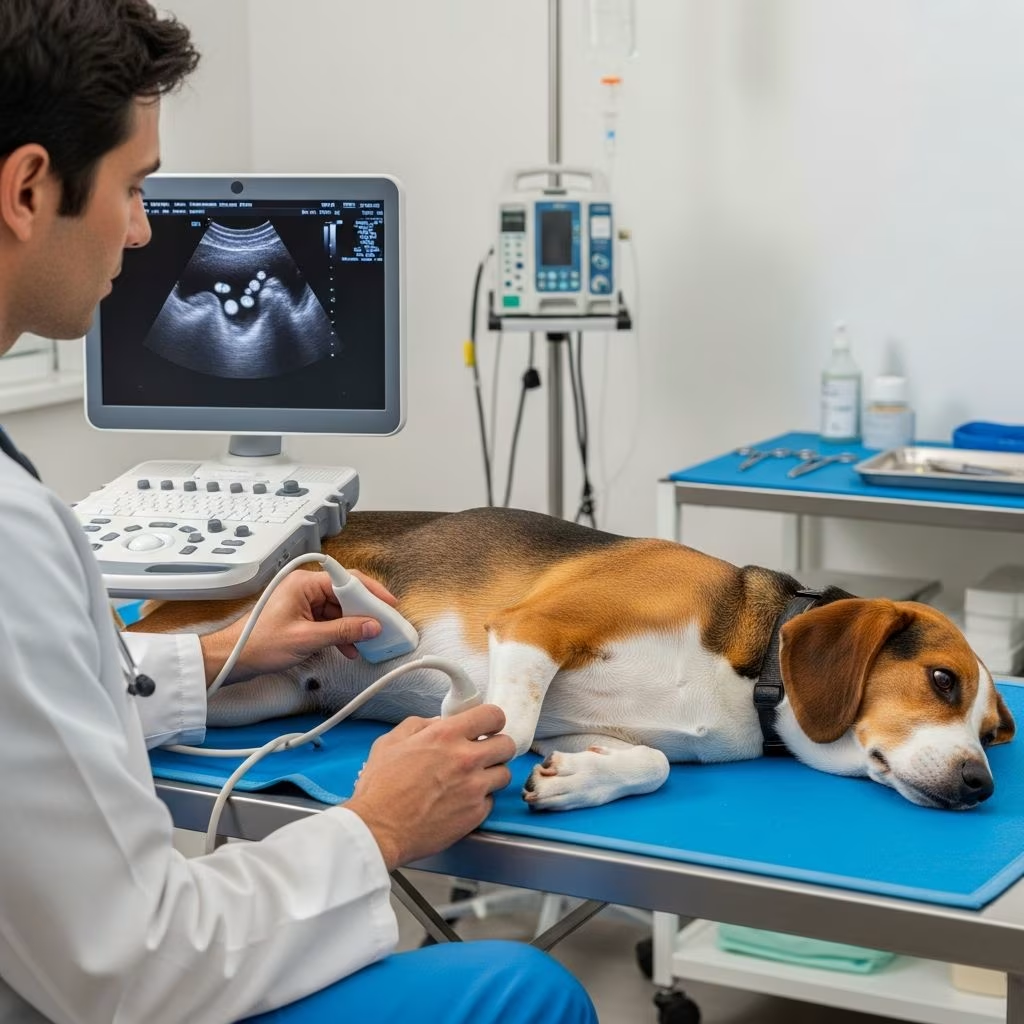
Urinary stones, known medically as uroliths, represent a common yet serious health challenge for dogs, affecting both the kidneys and bladder. These mineral deposits form when crystals in the urine consolidate, potentially causing pain, infections, and blockages. Early detection and targeted management can significantly improve outcomes and prevent recurrence.
Understanding the Formation of Urinary Stones
Urinary stones develop from supersaturated urine where minerals like calcium, oxalate, struvite, urate, or cystine precipitate into crystals. Factors such as diet, hydration levels, urinary pH, infections, and breed predispositions contribute to this process. For instance, struvite stones often link to bacterial urinary tract infections (UTIs) in alkaline urine, while calcium oxalate stones favor acidic conditions.
Breeds like Dalmatians face higher risks for urate stones due to genetic uric acid metabolism issues, and Miniature Schnauzers commonly develop struvite or calcium oxalate types. Environmental factors, including dehydration from insufficient water intake, exacerbate crystal formation by concentrating urine.
Recognizing Symptoms Early
Dogs with urinary stones may exhibit straining to urinate, frequent small-volume urination attempts, blood in urine (hematuria), or incontinence. Lethargy, appetite loss, abdominal pain (evident through whining or hunching), and vomiting signal advanced cases, especially with kidney involvement. Some dogs show no overt signs until obstruction occurs, which is a veterinary emergency.
- Frequent urination: Small amounts with discomfort.
- Bloody urine: Pink to red discoloration.
- Pain behaviors: Crying during elimination or restlessness.
- Systemic signs: Fever, reduced activity, or nausea in severe cases.
Diagnostic Approaches for Accurate Identification
Veterinarians start with a physical exam and urinalysis to detect crystals, pH levels, bacteria, and blood. Blood tests assess kidney function via creatinine and BUN levels. Imaging like X-rays reveals radiopaque stones (e.g., struvite, calcium oxalate), while ultrasound identifies softer types like urates and evaluates kidney structure.
Stone analysis post-removal is crucial, using techniques like infrared spectroscopy to determine composition, guiding prevention. Urine culture identifies underlying infections.
Treatment Options Tailored to Stone Type
Treatment varies by stone type, size, location, and dog health. Options include medical dissolution, minimally invasive procedures, or surgery.
Medical Dissolution Diets
Certain stones, particularly struvite, dissolve with prescription diets that acidify urine, reduce magnesium/phosphorus, and promote diuresis. Brands like Hill’s c/d, Purina UR, and Royal Canin Urinary SO target struvite and calcium oxalate. This non-surgical method requires 4-12 weeks of monitoring via imaging and urinalysis.
Surgical and Procedural Interventions
Cystotomy surgically removes bladder stones via abdominal incision, ideal for large or non-dissolvable uroliths. Urohydropropulsion flushes small stones through the urethra under sedation. For kidney stones (nephroliths), similar principles apply, though access may require more complex surgery.
| Stone Type | Primary Treatment | Duration |
|---|---|---|
| Struvite | Dietary dissolution + antibiotics | 4-12 weeks |
| Calcium Oxalate | Surgery or lithotripsy | Immediate |
| Urate | Surgery + allopurinol/diet | Lifelong management |
| Cystine | Alkalinizing diet + medications | Ongoing |
Comprehensive Prevention Strategies
Prevention hinges on addressing root causes post-treatment. Key pillars include hydration, diet, monitoring, and breed-specific care.
Boosting Hydration Levels
Increase water intake to dilute urine (target specific gravity <1.020). Strategies: add water to kibble, switch to canned food, use pet fountains, or offer ice cubes. Frequent potty breaks prevent urine retention.
Dietary Modifications by Stone Type
Tailor nutrition to inhibit recurrence:
- Struvite: Acidifying diets low in protein, phosphorus, magnesium; prevent UTIs.
- Calcium Oxalate: Moderate protein/calcium/sodium; alkalinize urine (pH 6.5-7.5) with potassium citrate.
- Urate: Low-purine diets (e.g., Hill’s u/d); allopurinol; alkalinize urine.
- Cystine: Low-protein, alkalinizing diets.
Avoid table salt to prevent calcium promotion. Feed multiple small meals for stable pH.
Medications and Supplements
Potassium citrate alkalinizes urine for oxalate/urate stones. Hydrochlorothiazide reduces calcium excretion in recalcitrant cases, with blood monitoring. Allopurinol blocks uric acid for Dalmatians. Vitamin B6 aids persistent oxalate crystals.
Regular Veterinary Monitoring
Schedule urinalysis/cultures every 3-6 months, plus X-rays/ultrasounds. For liver shunts (PSS) causing urates, surgical correction is key.
Breed-Specific Considerations
Certain breeds require customized protocols:
- Dalmatians: Lifelong low-purine diet, allopurinol, urine pH 7.0-7.5.
- Shih Tzu, Basset Hounds: Urate risk; similar management.
- Miniature Schnauzer, Yorkshire Terrier: Struvite/oxalate; focus on infection control and acidification.
Lifestyle Adjustments for Long-Term Success
Encourage exercise to promote urination. Manage obesity, as it concentrates urine. Avoid stress, which can alter pH. Novel therapies like veterinary neuromodulation (VNA) enhance kidney blood flow and urine output post-surgery.
Frequently Asked Questions (FAQs)
Can urinary stones be fatal in dogs?
Yes, if they cause complete obstruction or severe infection, leading to kidney failure. Prompt treatment is essential.
How long does dietary dissolution take?
Typically 4-12 weeks for struvite; calcium oxalate rarely dissolves medically.
Is surgery always necessary?
No, small stones may pass naturally or dissolve; surgery for larger or obstructive cases.
What home remedies prevent stones?
Increase water intake and follow vet-recommended diets; no unproven remedies substitute professional care.
Do all dogs need lifelong medication?
Only those with recurrent or breed-predisposed stones; monitoring dictates needs.
Emerging Research and Future Directions
Ongoing studies explore lithotripsy (shock waves to break stones) and advanced diets. Genetic testing for at-risk breeds may personalize prevention.
References
- Struvite Bladder Stones in Dogs — Cornell University College of Veterinary Medicine. 2023. https://www.vet.cornell.edu/departments-centers-and-institutes/riney-canine-health-center/canine-health-topics/struvite-bladder-stones-dogs
- Bladder Stones in Dogs: Causes, Symptoms, & Treatment — Long Beach Animal Hospital. 2024. https://lbah.com/canine/dog-bladder-stones/
- Bladder Stones in Dogs — VCA Animal Hospitals. 2023. https://vcahospitals.com/know-your-pet/bladder-stones-in-dogs
- 5 Steps to Reduce Recurrence of Bladder Stones — dvm360. 2023. https://www.dvm360.com/view/5-steps-reduce-recurrence-bladder-stones-1
- Urolithiasis in Dogs — Merck Veterinary Manual. 2024. https://www.merckvetmanual.com/urinary-system/urolithiasis-in-small-animals/urolithiasis-in-dogs
- Urinary Stones — American College of Veterinary Surgeons. 2023. https://www.acvs.org/small-animal/urinary-stones/



