

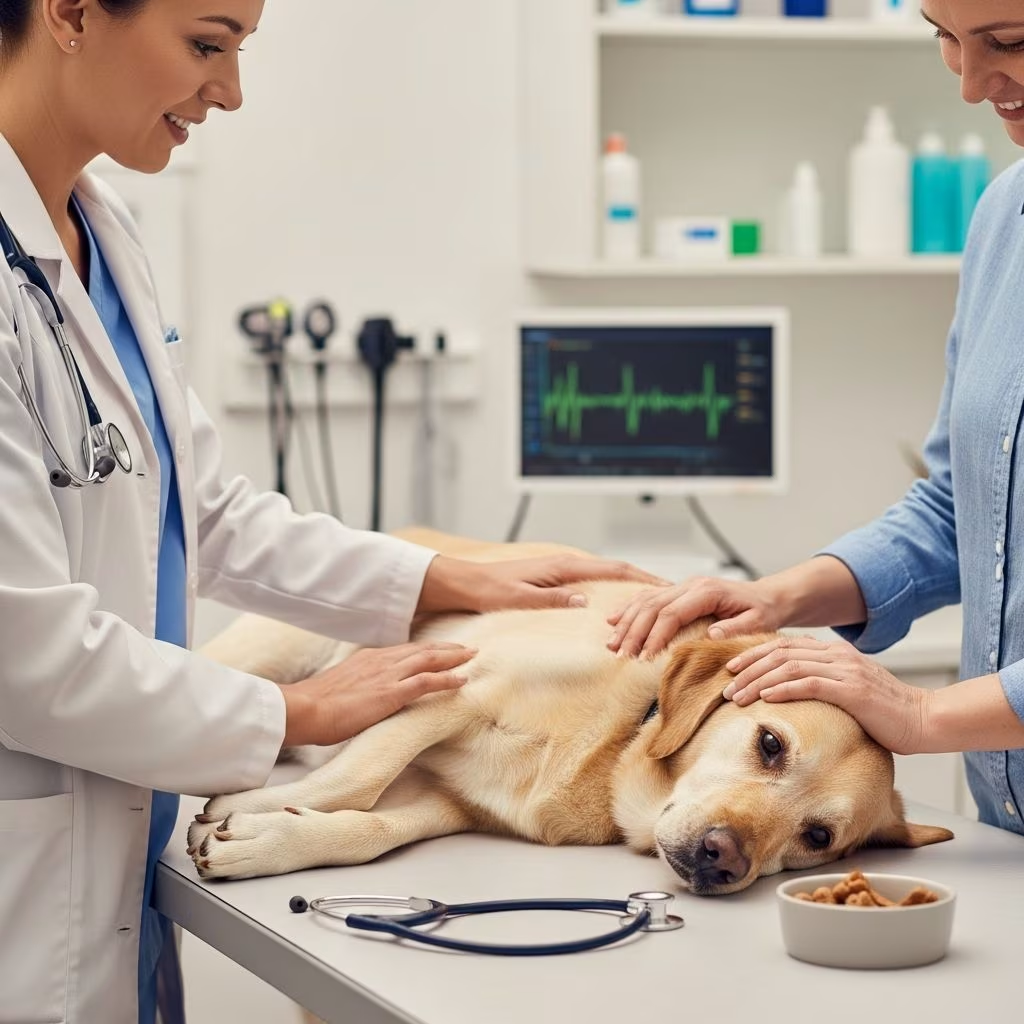
Urinary incontinence affects many dogs and cats, leading to involuntary urine leakage that impacts quality of life. Primarily seen in spayed female dogs due to urethral sphincter mechanism incompetence (USMI), it can also occur in males and felines from various causes like overactive bladders or obstructions. This article details diagnosis, drug therapies, surgical options, and supportive care.
Understanding the Condition
Urinary incontinence arises when the bladder leaks urine without voluntary control. In dogs, especially large breeds post-spaying, low estrogen levels weaken urethral closure, affecting 11-20% of cases. Cats may experience it from urethral spasms, stress, or blockages. Symptoms include dribbling, wet bedding, and skin irritation. Early diagnosis via urinalysis, imaging, and urodynamics prevents complications like infections.
Primary Causes and Risk Factors
- USMI: Most common in spayed females; sphincter weakens post-ovariohysterectomy.
- Overactive Bladder: Detrusor instability causes frequent urges.
- Urethral Obstruction: Common in male cats, leading to spasms.
- Neurological Issues: Detrusor atony or upper motor neuron problems.
- Congenital Defects: Ectopic ureters or malformations.
Risk escalates with age, obesity, and neutering. Breeds like Boxers, Dobermans, and Rottweilers are predisposed.
Pharmacological Treatments
Medications target sphincter tone, bladder relaxation, or hormone restoration. Alpha-adrenergic agonists like phenylpropanolamine (PPA) are first-line for USMI, boosting urethral closure.
Sympathomimetic Agents
| Drug | Dosage (Dogs) | Dosage (Cats) | Key Notes |
|---|---|---|---|
| Phenylpropanolamine | 1-2 mg/kg PO q12h | Not routine | 65% full response; monitor hypertension |
| Pseudoephedrine | 0.4-0.8 mg/kg PO q8-24h | 0.004-0.006 mg/kg PO q12-24h | Compounded; less effective in males |
Hormonal Therapies
Estrogens like diethylstilbestrol (DES) or estriol restore urethral tone but risk bone marrow suppression. Testosterone aids males.
| Drug | Dosage (Dogs) | Adverse Effects |
|---|---|---|
| Diethylstilbestrol | 0.5-1 mg/dog PO q24h x3-5d, then q7d | Masculinization, prostate issues |
| Estriol | 0.5-2 mg/dog PO q24h | Less toxic alternative |
Antimuscarinics and Spasmolytics
These relax bladder smooth muscle for overactive cases.
- Oxybutynin: 0.2 mg/kg PO q8-12h dogs; 0.5-1.25 mg/cat q8-12h. Reduces detrusor pressure.
- Imipramine: 5-15 mg/dog q12h; anticholinergic and alpha-agonist effects.
Muscle Relaxants
Diazepam (2-10 mg/dog PO pre-voiding) or acepromazine ease urethral spasms in obstructions.
Surgical Interventions
When drugs fail, surgery addresses root causes.
- Collagen Injections: Bulking agent around urethra; 90%+ success in some studies.
- Colposuspension/Cystourethropexy: Lifts bladder neck for USMI.
- Artificial Sphincter: Implantable device for refractory cases.
- Perineal Urethrostomy (PU): For recurrent feline blockages.
Emerging Regenerative Therapies
Stem cell injections from muscle biopsies restore sphincter function. In one trial, 14/15 dogs improved, 11 continent at 2 years. Minimal complications; reduces drug needs.
Supportive and Preventive Measures
Lifestyle aids therapy:
- Diet: Prescription foods (e.g., Hill’s c/d, Royal Canin S/O) prevent crystals.
- Hydration: Wet food boosts intake.
- Weight Control: Reduces abdominal pressure.
- Monitoring: Frequent potty breaks, belly bands.
Potential Complications and Monitoring
Treatments risk hypertension (PPA), UTIs, or behavioral changes. Regular bloodwork, urinalysis essential. Combine therapies (e.g., PPA + DES) for 80-90% success.
FAQs
Is urinary incontinence curable in dogs?
Often manageable; 20%+ spayed females affected, most respond to meds.
Can cats get urinary incontinence?
Yes, from blockages/spasms; prazosin common.
What if medications fail?
Consider surgery or stem cells.
Does spaying cause incontinence?
Increases risk via estrogen drop.
Prognosis and Long-Term Outlook
With tailored plans, most pets achieve continence. Owner compliance key. Consult vets for individualized care.
References
- Urinary Incontinence in Cats – PetMD — PetMD. 2023. https://www.petmd.com/cat/conditions/urinary/c_ct_incontinence_urinary
- Drugs Used to Manage Urinary Incontinence in Dogs & Cats — Clinician’s Brief. 2022. https://www.cliniciansbrief.com/article/drugs-used-manage-urinary-incontinence-dogs-cats
- Urinary Incontinence (Urethral Incontinence) in Dogs — VCA Animal Hospitals. 2024. https://vcahospitals.com/know-your-pet/urethral-incontinence-in-dogs
- Urinary Incontinence – Anderson Moores Veterinary Specialists — AMVS. 2021-10-01. https://www.andersonmoores.com/wp-content/uploads/2021/10/AMVS-urinary-incontinence-2018.pdf
- New Treatment for Urinary Incontinence — AKC Canine Health Foundation. 2023. https://www.akcchf.org/breakthrough/new-treatment-for-urinary/
- Pharmacotherapeutics in Urinary Incontinence in Dogs and Cats — Merck Veterinary Manual. 2024. https://www.merckvetmanual.com/pharmacology/systemic-pharmacotherapeutics-of-the-urinary-system/pharmacotherapeutics-in-urinary-incontinence-in-dogs-and-cats
- ACVIM consensus statement on diagnosis and management of urinary incontinence — PMC/NCBI. 2024-03-15. https://pmc.ncbi.nlm.nih.gov/articles/PMC10937496/



