

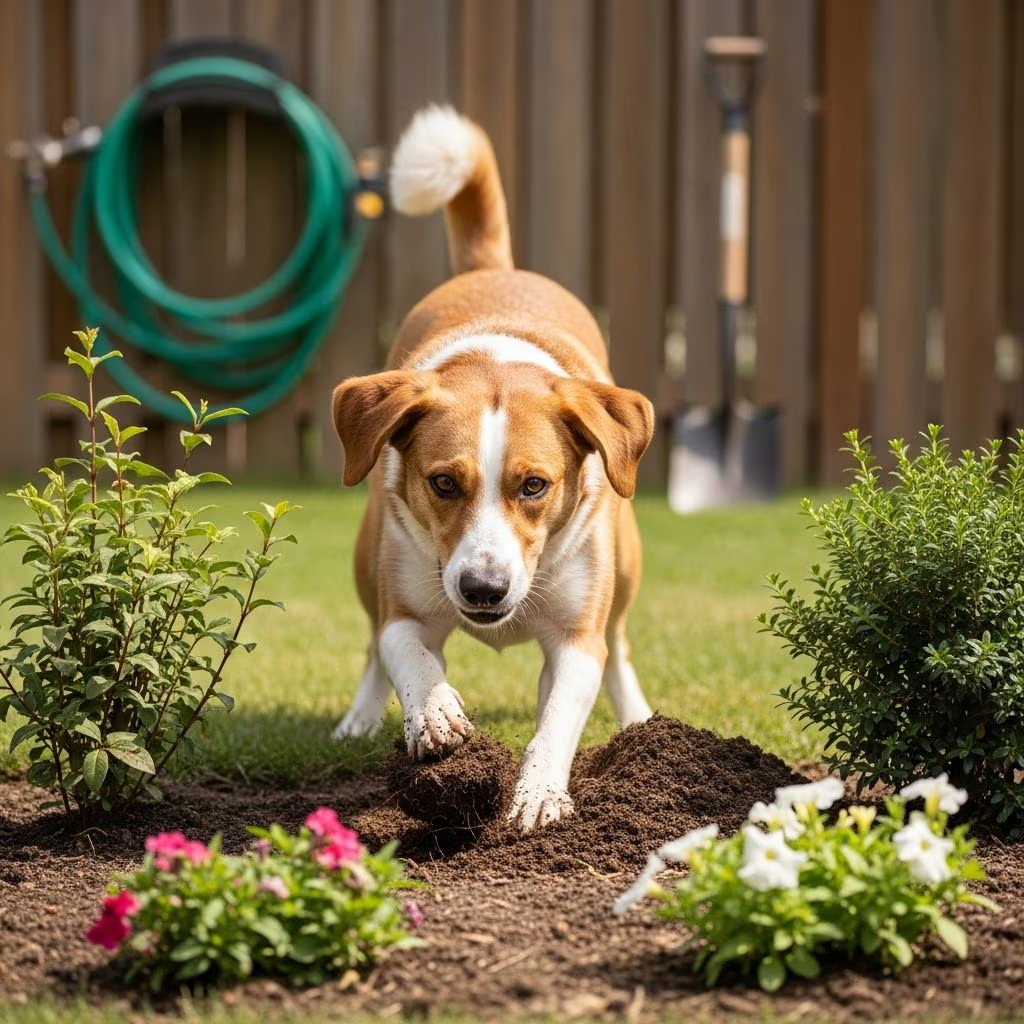
Digging is one of the most common behavioral challenges dog owners face. Whether your dog is creating craters across your carefully manicured lawn or undermining your garden beds, understanding the underlying motivations behind this behavior is essential to addressing it effectively. Rather than simply preventing digging without understanding why your dog engages in this activity, a more successful approach involves identifying the root cause and providing appropriate outlets or solutions.
Understanding the Natural Instinct to Dig
Dogs have been digging for thousands of years, and this behavior remains deeply embedded in their genetic makeup. Digging is not inherently problematic—it becomes an issue only when it occurs in locations or contexts that conflict with human preferences. Recognizing that digging is a natural canine behavior rather than a sign of misbehavior is the first step toward developing a compassionate and effective response.
Certain dog breeds have been specifically selected through generations of breeding to enhance digging capabilities. Terriers, hounds, and spitz-type breeds carry a particularly strong genetic predisposition toward excavation activities. These dogs were originally developed to hunt underground prey or navigate challenging terrain, and their instinct to dig remains powerful regardless of their current environment or lifestyle. Understanding your dog’s breed heritage can provide valuable insight into why digging may be particularly appealing to your individual pet.
Beyond breed-specific tendencies, all dogs possess the capacity to dig for various practical reasons. Even dogs without specialized breeding backgrounds will dig when motivated by environmental factors or emotional states. This universal capacity means that virtually any dog owner may encounter digging challenges at some point.
Identifying the Primary Motivations Behind Digging
Before implementing any intervention strategy, pet owners must determine why their dog is digging. Different motivations require different solutions, and addressing the wrong cause can be ineffective or even counterproductive. In some cases, merely preventing digging without resolving the underlying motivation can lead to the development of substitute problem behaviors such as excessive barking, destructive chewing, or escape attempts.
Temperature Regulation and Environmental Comfort
One of the most straightforward reasons dogs dig is to create comfortable resting spots. On warm days, dogs recognize that the earth beneath the surface remains cooler than exposed ground or indoor spaces. Northern breed dogs, including Huskies and Malamutes, are particularly prone to digging cooling holes where they can lie down and benefit from the cooler soil temperature. This behavior is entirely natural and serves an important thermoregulatory function.
If your dog is digging for temperature regulation, the solution involves providing appropriate alternatives. Ensuring access to shaded areas, maintaining fresh water, and on extremely hot days, bringing your dog indoors where air conditioning is available can reduce the motivation to dig. Some owners find success with designated cool rest areas featuring elevated beds or special cooling pads that replicate the benefits of digging without damaging the landscape.
Prey Drive and Hunting Behavior
Many dogs dig intensively in response to underground noises and scents. Rodents, moles, and other small animals create vibrations and odors that trigger a dog’s predatory instincts. Dogs exhibiting hunting-related digging typically show signs of excitement, including whining, barking, tail wagging, and intense focus on specific ground areas. Their excavation efforts are targeted rather than random, often concentrated near fence lines, tree roots, or areas where underground activity is visible.
Addressing prey-driven digging requires eliminating the source of attraction. This may involve contacting a local pest control professional to humanely remove rodents using dog-safe methods and products. Supervised outdoor time becomes essential when pest control measures are in place, particularly if traps or toxic substances are being used. Restricting your dog’s access to treated areas or keeping your dog indoors during application and the recommended safety period ensures protection from harmful chemicals.
Boredom and Lack of Mental Engagement
Dogs with insufficient physical exercise and mental stimulation often resort to digging as a form of self-entertainment. This motivation appears particularly prevalent in younger dogs and puppies who possess abundant energy but limited appropriate outlets. A bored dog left alone in the yard for extended periods may dig extensively across random locations as a way to occupy time and create excitement.
The solution to boredom-related digging involves significantly increasing daily physical and mental exercise. Extended walks, interactive play sessions, puzzle toys, and training activities can substantially reduce a dog’s motivation to dig. Many pet owners find that incorporating 30 to 60 minutes of structured activity daily, combined with interactive enrichment opportunities, dramatically reduces unwanted digging behavior.
Anxiety and Escape Motivation
Some dogs dig in attempts to escape their yard or to alleviate anxiety about being confined. Dogs experiencing separation anxiety or fear may dig along fence lines as part of an escape strategy. These dogs are not necessarily seeking adventure elsewhere—they may be responding to anxiety about being alone or fearful of their current environment. Understanding whether your dog is digging to escape or to manage anxiety is crucial for selecting an appropriate intervention.
For anxiety-driven digging, addressing the underlying emotional state is more effective than simply reinforcing physical barriers. Counterconditioning techniques, gradual desensitization to being alone, and sometimes professional behavioral support can help. Simultaneously, reinforcing fence integrity and creating visual barriers that reduce your dog’s awareness of external stimuli can provide immediate relief.
Instinctive Denning and Object Burial
Some dogs dig to bury treasured items such as toys, bones, or treats. This behavior reflects an instinctive desire to cache valuable resources, similar to their wild ancestors who buried excess food for later consumption. Pregnant female dogs may also exhibit increased digging as part of nesting behavior. Recognizing object-burial motivation involves observing whether your dog carries items to digging locations and whether the digging precedes or follows object placement.
Practical Strategies for Redirecting Digging Behavior
Creating a Designated Digging Zone
One of the most effective and humane approaches involves providing a specific area where digging is not only permitted but actively encouraged. A sandbox or designated soil patch measuring approximately three by six feet can serve this purpose effectively. The key to success involves making this digging zone significantly more rewarding than alternative digging locations throughout your property.
To create an attractive digging destination, bury toys, treats, and interactive items within the designated area. Initially, you may need to guide your dog to the zone and demonstrate the excavation process, rewarding enthusiastically when your dog discovers buried treasures. Over time, your dog will learn that this specific location provides the greatest rewards and entertainment value.
Consistency in training is essential. Each time your dog initiates digging in an inappropriate location, gently redirect to the designated zone and reward any digging that occurs there. This positive reinforcement approach teaches your dog where digging is acceptable without creating stress or fear around the natural behavior itself.
Environmental Modifications and Deterrents
Physical modifications to your yard can make undesired digging locations less appealing. Placing chicken wire or sturdy fencing around vulnerable garden beds and landscaping creates barriers that discourage digging while protecting plants. Some owners have had success with motion-activated sprinkler systems that startle dogs away from targeted areas without causing harm.
Natural deterrents can also reduce digging motivation in specific locations. Crushed eggshells or small pebbles scattered around plants create uncomfortable textures on sensitive paw pads, discouraging digging without causing injury. Citrus peels or citrus-scented sprays placed near vulnerable areas exploit most dogs’ natural aversion to strong citrus odors. These methods prove particularly effective for protecting specific plants or landscape features rather than preventing all digging behavior.
Increasing Physical and Mental Enrichment
Regardless of digging motivation, increasing overall enrichment opportunities reduces the likelihood that your dog will resort to digging out of boredom or excess energy. A comprehensive enrichment program includes varied daily walks exploring different routes and environments, interactive play sessions with toys that engage your dog’s problem-solving abilities, and training activities that provide mental stimulation.
Puzzle feeders, sniff games, and hide-and-seek activities with toys or treats provide mental engagement that tires dogs as effectively as physical exercise. Rotating toys regularly maintains novelty and prevents habituation. For dogs with access to yards, scattering treats across the lawn for your dog to discover through sniffing (rather than digging) provides alternative ways to engage natural foraging instincts.
When to Seek Professional Support
While many digging problems respond well to owner-implemented strategies, some situations benefit from professional guidance. Dogs exhibiting severe escape attempts, those showing signs of significant anxiety, or those whose digging is accompanied by other behavioral problems may require assessment by a certified animal behaviorist or veterinary behaviorist. These professionals can identify underlying issues that simple environmental modifications cannot address and develop individualized treatment plans.
Key Takeaways for Success
- Identify the specific motivation behind your dog’s digging before implementing solutions
- Never simply prevent digging without addressing underlying causes, as this can result in substitute behaviors
- Provide legitimate digging outlets through designated zones filled with rewarding activities
- Ensure your dog receives adequate physical exercise and mental stimulation daily
- Use positive reinforcement to reward digging in appropriate locations
- Implement environmental modifications to protect vulnerable landscape areas
- Address environmental stressors such as extreme heat, pest activity, or anxiety triggers
- Maintain consistency in training and expect gradual improvement over time
Frequently Asked Questions
How long does it take to redirect digging behavior?
The timeline for behavioral change varies depending on your dog’s age, the strength of digging motivation, and consistency of training implementation. Most dogs show noticeable improvement within 2 to 4 weeks when multiple strategies are implemented consistently. Deeply ingrained behaviors may require 2 to 3 months for substantial change.
Can I use punishment to stop digging?
Punishment-based approaches are generally ineffective for digging behavior and may create additional problems. Remote punishment or booby traps can cause fear and anxiety without addressing the underlying motivation. Positive reinforcement strategies that reward appropriate digging locations prove far more effective and maintain your dog’s emotional well-being.
Should I fill in holes my dog has already dug?
Filling holes before addressing the motivation to dig typically results in the dog simply re-digging the same locations. Address the underlying cause first, then fill holes once your dog’s digging motivation has been successfully redirected to appropriate areas.
What if my dog continues digging despite my efforts?
Persistent digging despite intervention may indicate an unidentified motivation or an underlying medical issue. Consult your veterinarian to rule out health problems, and consider working with a certified animal behaviorist to identify factors you may have overlooked.
References
- Dogs and Destructive Digging — VCA Animal Hospitals. https://vcahospitals.com/know-your-pet/dogs-and-destructive-digging
- How to Stop a Dog from Digging — Purina US. https://www.purina.com/articles/dog/behavior/understanding-dogs/how-to-stop-a-dog-digging
- Why Does My Dog Dig? Channel Your Dog’s Digging Instincts — American Kennel Club. https://www.akc.org/expert-advice/advice/why-is-my-dog-digging/
- Digging in Dogs — UC Davis School of Veterinary Medicine. https://healthtopics.vetmed.ucdavis.edu/health-topics/canine/why-does-my-dog-dig
- How to Correct (or Reward) a Dog’s Digging Habit — Spay Neuter Network. https://spayneuternet.org/pet-education/how-to-correct-or-reward-a-dogs-digging-habit/
- Digging and Burying Behavior — Animal Humane Society. https://www.animalhumanesociety.org/resource/digging-and-burying-behavior



