

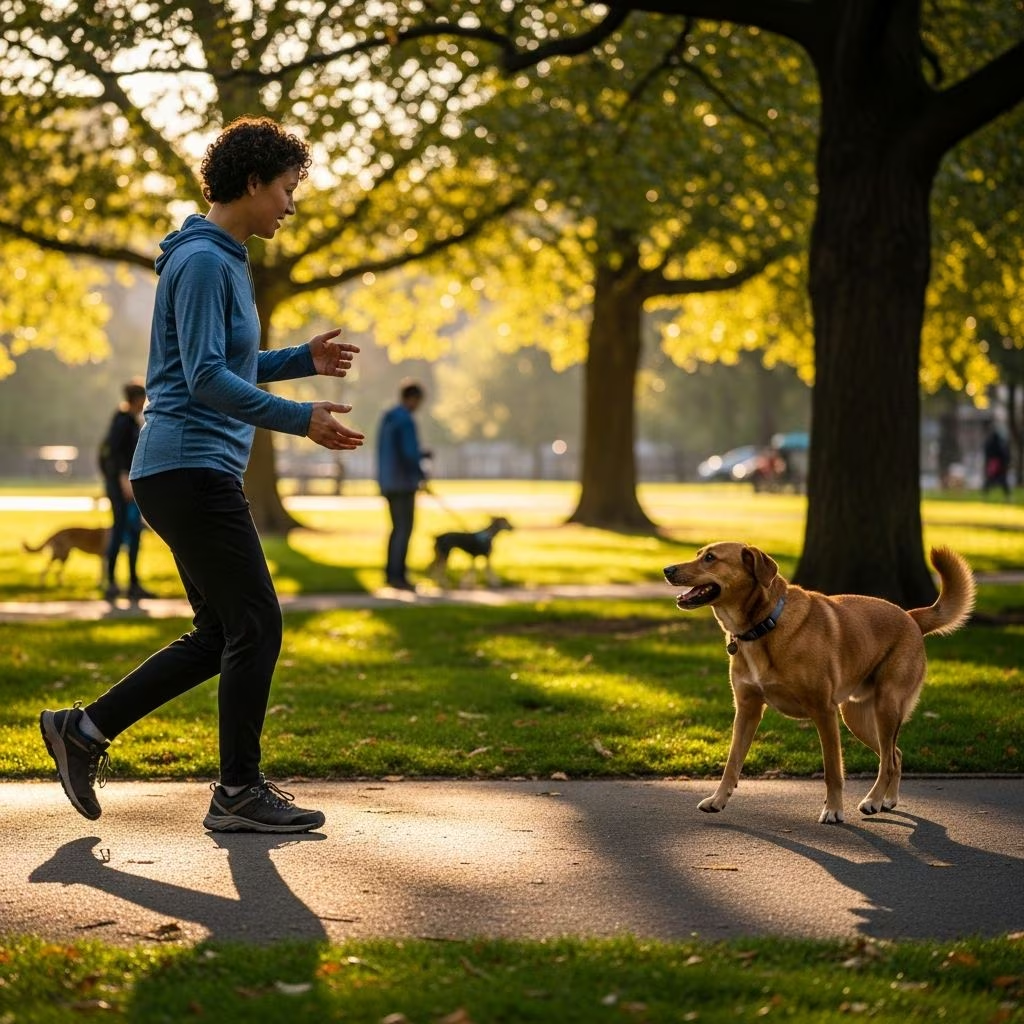
Encounters with unleashed dogs can be unpredictable and potentially dangerous situations. Whether you’re walking through your neighborhood, jogging in a park, or simply enjoying outdoor activities, the possibility of encountering a loose dog is a concern many people face. Understanding how to respond appropriately when a dog approaches you without restraint can make the difference between a minor inconvenience and a serious incident. This guide provides practical strategies for managing these encounters safely and effectively.
Understanding Loose Dog Behavior
Before addressing specific intervention techniques, it’s important to understand why loose dogs approach people and what motivates their behavior. Dogs that are not on leash often exhibit different behavioral patterns than their leashed counterparts. Without the constraint of a leash, dogs operate with greater freedom and may feel emboldened to approach strangers. The motivations behind these approaches vary significantly depending on the individual dog’s temperament, socialization history, and past experiences.
Some loose dogs are simply curious and friendly, seeking social interaction or play opportunities. Others may be territorial or defensive, viewing approaching people as a threat to their environment or family. Fear-based reactions can also cause loose dogs to approach defensively rather than playfully. Recognizing these different motivational states is crucial for determining the most appropriate response strategy.
Immediate Response Strategies When a Loose Dog Approaches
Maintaining Calm Body Language
Your initial response when encountering an approaching loose dog should prioritize staying calm. Dogs are highly sensitive to human body language and emotional energy, and your anxiety can escalate the situation. When a dog approaches, avoid sudden movements, loud noises, or aggressive posturing. Stand tall but relaxed, keeping your arms at your sides or crossed in front of your body rather than extended toward the dog. Maintain a neutral facial expression and avoid direct, prolonged eye contact, which dogs may interpret as challenging or threatening.
Creating Distance Through Repositioning
One of the most effective immediate responses is to create physical distance between yourself and the approaching dog. If you’re able, step sideways or backward slowly, allowing the dog space to pass if it chooses. This repositioning accomplishes several objectives: it reduces the dog’s sense of threat, gives both you and the dog room to assess the situation, and provides an escape route if needed. Walk at a normal pace rather than running, as running can trigger a chase response in dogs.
If you’re near objects like parked cars, trees, or benches, position yourself strategically to use these as barriers. Standing with a solid object behind you or to your side can help you feel more secure and may discourage the dog from approaching too closely.
Verbal Communication Techniques
The words you use when encountering a loose dog should be deliberate and measured. A firm, confident voice often has more effect than yelling or screaming. Use simple, clear commands that the dog might recognize, such as “go home” or “back.” Speak in a deeper tone rather than higher-pitched tones, which dogs may perceive as playful or exciting. However, avoid prolonged verbal engagement, as continuous talking may actually stimulate the dog’s interest further.
If the dog owner is present, direct your communication toward them rather than the dog. Make clear, direct requests such as “please control your dog” or “please call your dog.” Maintain polite but assertive language to convey that this is a serious matter requiring their immediate attention.
De-escalation Techniques for Non-Aggressive Approaches
The Redirect Method
When a loose dog approaches with curious rather than aggressive intent, redirecting its attention can be highly effective. If you have any items with you—such as a backpack, jacket, or even your hands—you can use these to redirect the dog’s focus. Toss a small object like a stick or rock near the dog (not at it) to redirect its attention to the ground. This allows you to continue moving while the dog investigates the object.
Using Environmental Objects
Employing environmental objects as barriers or distractions is a practical strategy during an approach. A bag held in front of you, a stick held at the ready, or even opening an umbrella can create a visual barrier and give you a tool to maintain safe distance. These objects serve both practical and psychological purposes—they provide actual barriers while also helping you feel more in control of the situation.
Prevention Strategies for Regular Encounters
Planning Your Routes
If you regularly encounter loose dogs in your area, take time to identify safer walking or jogging routes. Research parks and neighborhoods where leash laws are enforced and dog owners are conscientious about restraining their pets. Varying your routine also reduces the likelihood of repeat encounters with the same animals. When possible, walk during times when there’s greater foot traffic or visibility from homeowners and local authorities.
Carrying Protective Devices
Many people find value in carrying devices specifically designed to deter dogs without causing permanent harm. Pepper spray formulated for dogs, noise-making devices, or ultrasonic deterrents can provide an additional layer of security. These should be kept readily accessible and you should be familiar with their operation before an emergency. Some communities also recommend carrying treats or compressed air horns, though effectiveness varies based on the individual dog’s temperament.
Reporting Problem Dogs to Authorities
If you repeatedly encounter the same loose dog or dangerous behavior, document the incidents and report them to local animal control or police departments. Providing details such as location, time, breed, and description can help authorities address the problem. Persistent loose dogs or aggressive animals represent public safety concerns that warrant intervention from appropriate authorities.
Responses to Aggressive Loose Dogs
Recognizing Aggressive Indicators
Understanding the difference between curiosity and genuine aggression is crucial. Aggressive dogs typically display specific body language signals: stiff posture, forward-facing stance, raised hackles, bared teeth, growling, or intense staring. If you observe these signals, take the situation more seriously than if the dog simply approaches with a wagging tail and relaxed body language.
Protective Positioning Strategies
If an unleashed dog displays aggressive indicators, assume a more defensive stance while maintaining distance. Face the dog with your shoulders squared, making yourself appear larger and more formidable. Place obstacles between yourself and the dog if possible. Use your voice authoritatively to establish boundaries, commanding the dog to stay back with firm, clear statements.
When Direct Confrontation Becomes Necessary
In situations where an aggressive dog continues to approach despite your distance and verbal efforts, protecting yourself becomes the priority. If the dog attacks, curl into a protective ball, covering your head and neck with your arms. If you’ve been carrying a protective device, this is the appropriate moment to deploy it. Afterward, seek medical attention for any injuries and report the incident to animal control.
Legal and Community Considerations
Understanding Local Leash Laws
Most municipalities have specific laws requiring dogs to be kept on leash in public spaces unless designated off-leash areas are provided. Familiarizing yourself with these laws helps you understand your rights and the legal obligations of dog owners. In many jurisdictions, allowing a dog to run loose is subject to fines or citations, and repeated violations can result in more serious penalties.
Documentation for Legal Purposes
If you have repeated negative encounters with a specific loose dog, maintaining a record of these incidents provides valuable documentation. Note dates, times, locations, descriptions of the dog and owner, and details of what occurred. This documentation becomes important if you need to pursue legal action or file a complaint with animal control authorities.
Training Tips for Dog Owners to Prevent Loose Dog Encounters
While this guide focuses on protecting yourself from loose dogs, understanding why owners lose control of their pets can help inform prevention strategies. Many loose dogs have never received proper leash training or have behavioral issues like leash reactivity. Encouraging responsible dog ownership in your community—through friendly conversations with neighbors or support for community education programs—can reduce the overall incidence of dangerous loose dog situations.
Communities that emphasize proper training, including teaching dogs to respond to recall commands, have fewer dangerous encounters. When dog owners invest in behavioral training and responsible management practices, everyone in the community benefits from increased safety and reduced stress associated with loose dog encounters.
Special Considerations for Different Scenarios
Encounters While Running or Cycling
When you’re moving at speed, encountering a loose dog presents additional challenges. The movement itself can trigger chase responses in dogs. If you’re cycling, dismount if necessary to create a more stable footing and increase your ability to maneuver. If running, slowing to a walk reduces the likelihood of triggering aggressive pursuit. These adjustments may feel counterintuitive, but they actually increase your safety by reducing stimulation.
Protecting Children and Pets
When loose dogs approach while you’re accompanying children or other pets, your priority shifts to protecting these more vulnerable parties. Position yourself between the loose dog and your charges, creating yourself as a buffer. Keep children close to you or move them indoors if possible. Small pets should be picked up or moved to safety immediately, as loose dogs may view them as prey rather than fellow animals.
Recovery and Reporting After Incidents
Following any encounter with a loose dog, take time to physically and emotionally recover from the experience. Negative encounters can create anxiety about future outdoor activities. Document what occurred while details are fresh, including location, time, dog description, and owner information if available. Report the incident to local animal control even if no injury occurred, as these reports help authorities identify problem animals or owners.
If you were injured, seek medical attention promptly and obtain incident reports for your records. These may be necessary for insurance purposes or potential legal action. If you experienced significant emotional distress, speaking with friends or a professional about the experience can help process the anxiety.
References
- Leash Reactivity: A Comprehensive Training Guide — Peach On A Leash. Accessed 2026-03-30. https://peachonaleash.com/leash-reactivity-a-comprehensive-training-guide/
- How to Manage Dog Leash Reactivity — Best Friends Animal Society. Accessed 2026-03-30. https://bestfriends.org/pet-care-resources/how-manage-dog-leash-reactivity
- Leash Reactivity — Wisconsin Humane Society. Accessed 2026-03-30. https://www.wihumane.org/behavior/ask-the-experts/dogs/leash-reactivity
- Managing Reactive Behavior — Cornell University College of Veterinary Medicine, Riney Canine Health Center. Accessed 2026-03-30. https://www.vet.cornell.edu/departments-centers-and-institutes/riney-canine-health-center/canine-health-information/managing-reactive-behavior
- Training Techniques For Leash Reactivity — Dog’s Day Out Seattle. Accessed 2026-03-30. https://dogsdayoutseattle.com/general-leash-reactivity-protocol/
- Managing and Training Leash-Reactive Dogs — ASPCApro. Accessed 2026-03-30. https://www.aspcapro.org/resource/managing-and-training-leash-reactive-dogs



