

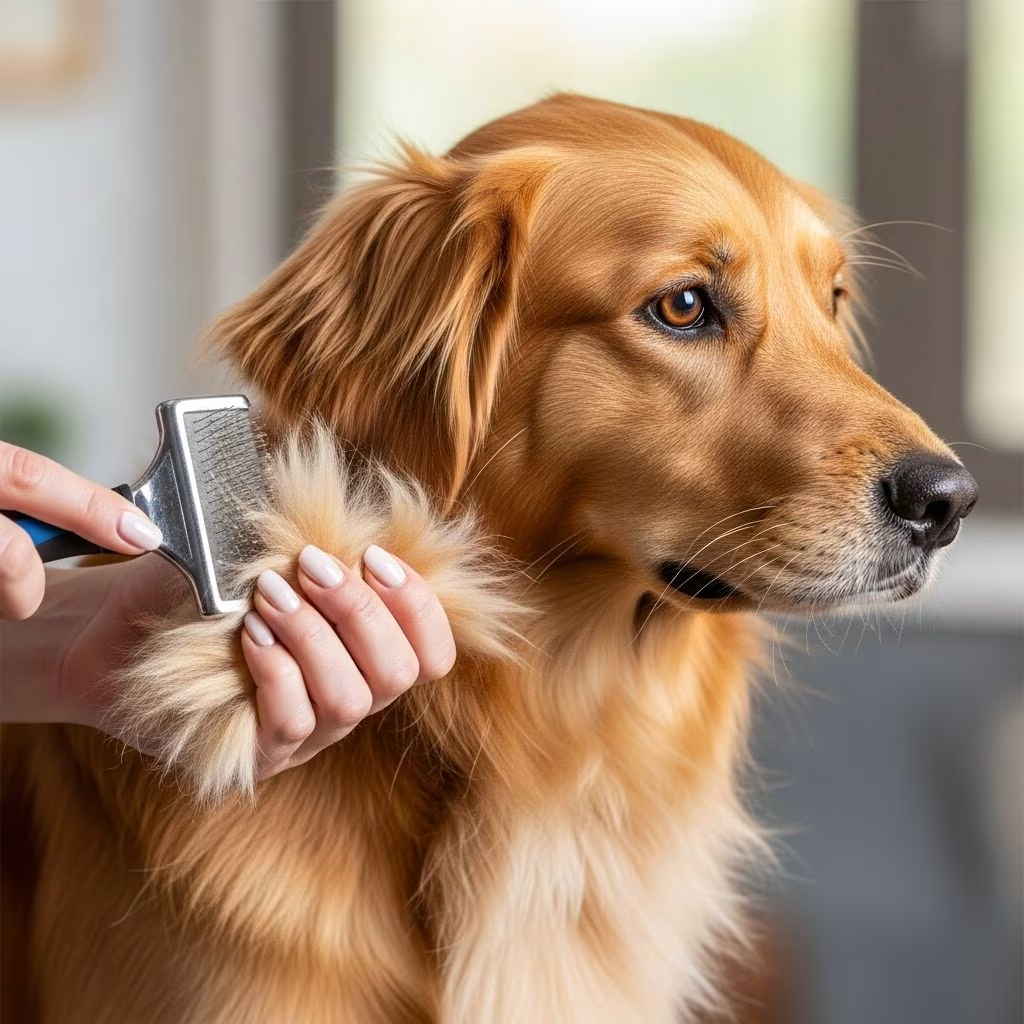
Matted hair represents one of the most frequent grooming challenges faced by dog owners, particularly those with longer-haired breeds. Mats develop when loose hair tangles and compacts, creating dense knots that can become uncomfortable or painful for your pet. Whether you prefer to tackle this issue at home or seek professional assistance, understanding the underlying causes and appropriate removal methods is essential for maintaining your dog’s coat health and overall well-being.
Understanding Why Dog Coats Become Matted
Matting occurs through various mechanisms depending on your dog’s coat type, lifestyle, and grooming habits. Dogs with longer, curlier, or double-layered coats are particularly susceptible to mat formation, as their hair naturally tangles more easily than shorter-haired breeds. Water, moisture, and inadequate drying after bathing accelerate matting, while friction from collars, harnesses, and regular movement also contributes to coat tangling. Environmental factors such as dirt, debris, and seasonal coat transitions further promote mat development. Understanding these causes helps you implement preventative strategies before matting becomes a significant problem.
Essential Tools for At-Home Mat Removal
Success in removing mats depends largely on having appropriate grooming implements. Each tool serves a specific purpose in the dematting process:
- Metal Combs: A dual-sided metal comb with both wide and fine teeth is fundamental for identifying mats and working through tangles after initial loosening. The comb should glide smoothly through your dog’s coat once mats are adequately addressed.
- Slicker Brushes: These brushes feature fine, bent wire pins that effectively address smaller tangles and help break apart mat formations. They work particularly well for systematic coat maintenance and should be used with gentle pressure.
- Dematting Tools: Specialized implements such as mat rakes or mat splitters feature sharpened teeth or blades designed to slice through mats while minimizing excessive hair pulling. These require careful handling and should only be used when you understand proper technique.
- Detangling Sprays: Pet-safe detangling products containing conditioning ingredients lubricate hair strands, making them more pliable and easier to separate without breakage. Choose products specifically formulated for dogs.
- Blunt-Nosed Scissors: These should only be used for carefully cutting mats away from the skin into smaller, manageable sections. Never use regular sharp-pointed scissors, which present excessive safety risks.
- Professional Clippers: Pet-specific clippers are reserved for severe matting situations and are best handled by trained professionals to avoid skin irritation.
Step-by-Step Process for Removing Small to Moderate Mats
For mats that are small and relatively loose, a systematic approach yields the best results while minimizing stress for your dog:
- Prepare Your Dog: Choose a calm, well-lit environment where your dog feels comfortable. Ensure your pet is relaxed before beginning work on any mats. Have all tools readily available within arm’s reach.
- Isolate Individual Mats: Work on one mat at a time rather than attempting to address your dog’s entire coat simultaneously. This focused approach prevents overwhelming your pet and allows you to apply appropriate pressure and technique to each problem area.
- Apply Detangling Solution: Generously spray the isolated mat with pet-safe detangling spray, ensuring the product penetrates thoroughly into the mat. Allow several minutes for the conditioning agent to work before beginning mechanical removal.
- Secure Skin Protection: Place your fingers between the mat and your dog’s skin, holding the skin taut at the mat’s base. This prevents pulling on sensitive skin and allows you to feel how close your tools are to the skin, reducing nicking risk.
- Begin at Mat Edges: Start working from the outer edges of the mat rather than attempting to penetrate the center. Use the tips of your slicker brush or the wide teeth of your metal comb, applying short, gentle strokes with minimal pressure.
- Work Outward From Skin: Progress from the ends of the hair toward the skin, always maintaining that protective barrier with your fingers. If your tool becomes stuck, back out gently and approach from a different angle rather than forcing through.
- Break Larger Mats Into Sections: For more substantial mats, use blunt-nosed scissors to carefully cut into the mat parallel to the body, creating channels that make the remaining mat more manageable. Maintain the protective barrier with your fingers throughout this process.
- Verify Complete Removal: Once you believe a mat is gone, run your metal comb through the area from root to tip. If the comb snags, matting remains and requires additional work.
Managing Severe Matting Situations
When matting is extensive, severe, or tight against the skin, home removal methods may not be appropriate. Large mats covering significant portions of your dog’s body require different strategies than isolated problem areas. If your dog shows signs of stress during mat removal, if mats are positioned near sensitive areas like ears or the rear end, or if the matting is so dense that individual removal becomes impractical, professional grooming intervention is advisable.
Professional groomers possess specialized equipment and training to handle severe matting safely and humanely. When mats are too tight or extensive for safe individual removal, a complete shave-down often represents the kindest option for your pet. This process removes mats entirely while allowing your dog’s coat to regrow fresh and healthy. A full-body trim at a shorter length also prevents the uneven appearance that sometimes results from selectively shaving only matted areas.
Temperature Regulation and Coat Health After Grooming
If your dog receives a significant shave-down due to severe matting, be mindful of temperature regulation challenges. A substantial reduction in coat length compromises your dog’s natural insulation, making them more vulnerable to cold temperatures and potentially sensitive to heat as well. Additionally, dogs with very short coats or shaved areas lack natural sun protection and may be prone to sunburns if exposed to direct sunlight for extended periods. Provide appropriate clothing during colder months and limit outdoor sun exposure immediately following professional grooming.
Prevention Strategies to Minimize Future Matting
Regular grooming represents the most effective matting prevention method. Establishing a consistent brushing schedule significantly reduces mat formation and keeps your dog more comfortable:
- Brush your dog’s coat every few days using appropriate tools for their coat type, working through the entire coat rather than just the top layer
- Pay special attention to areas prone to matting, such as behind the ears, under the collar, in armpits, and along the rear end
- Dry your dog thoroughly after bathing, using a towel and potentially a pet-safe hair dryer on cool settings to remove moisture completely
- Maintain trimming schedules recommended for your dog’s breed, as longer coats mat more easily than trimmed versions
- Use conditioning products during bathing to keep hair healthier and more resistant to tangling
- Check your dog’s coat regularly for early signs of matting, addressing small tangles before they develop into larger problems
Techniques for Specific Mat Locations
Different areas of your dog’s body require slightly modified approaches based on sensitivity and proximity to eyes, ears, and other vulnerable areas. Mats behind the ears represent common problem spots, as this area experiences regular friction from head movement and ear flopping. Work gently in these sensitive zones, using only appropriate tools and maintaining constant awareness of your dog’s comfort level. Mats in the genital area or under the tail require extra caution and may be better addressed by professionals. Mats along the chest and rear end can usually be managed at home if caught early, but larger mats in these regions may benefit from professional attention.
When to Seek Professional Assistance
Several situations indicate that professional grooming services are the most appropriate choice. If your dog has extensive matting covering large portions of the body, if mats are tight against the skin or in sensitive areas, if your dog shows signs of stress or anxiety during grooming, or if you lack confidence in your ability to safely remove mats, professional groomers provide invaluable expertise. Additionally, if mat removal attempts cause pain to your dog or if your dog has a low tolerance for grooming activities, professional handling ensures both safety and humane treatment while still achieving the desired results.
Frequently Asked Questions About Mat Removal
Can I use human hair products on my dog’s matted coat?
While some human conditioning products might not be harmful, they are not formulated for canine skin pH and coat texture. Pet-specific detangling sprays are designed for dogs and represent the safest choice for your pet’s health.
How long does mat removal typically take?
The time required depends on mat size, density, and location. Small mats might take 5-10 minutes, while larger mats or multiple mats can require 30 minutes to several hours. Take breaks to keep both yourself and your dog comfortable.
Will mat removal hurt my dog?
When done correctly with proper technique and gentle pressure, mat removal should not be painful. However, yanking, pulling hard, or using improper tools can cause discomfort. If your dog shows distress, stop and consider professional assistance.
Can all mats be removed without cutting?
Small, loose mats can usually be brushed out with patience and proper technique. However, large, dense, or tight mats often cannot be safely removed without cutting or shaving, and professional grooming becomes necessary.
How often should I groom my dog to prevent mats?
Dogs prone to matting benefit from brushing every few days. The exact frequency depends on your dog’s coat type, lifestyle, and activity level. Longer, curlier coats typically require more frequent attention than shorter coats.
Creating a Sustainable Grooming Routine
The most effective approach to managing matted hair involves establishing a consistent grooming schedule that prevents problems before they develop. Rather than dealing with severe mats reactively, proactive regular brushing keeps your dog’s coat healthy, comfortable, and mat-free. This routine also allows you to bond with your dog while monitoring overall skin and coat health for any emerging concerns. For dogs that are particularly prone to matting or who have longer coats, investing time in regular grooming represents time saved avoiding serious matting situations and expensive professional interventions.
References
- How to groom a dog with matted hair safely at home — Golden Paws Pet Services. 2024. https://goldenpawps.com/how-to-groom-a-dog-with-matted-hair/
- How to Get Mats Out of Dog Hair — Whole Dog Journal. 2024. https://www.whole-dog-journal.com/care/how-to-get-mats-out-of-dog-hair/
- Grooming 101: Removing Mats — YouTube. 2023. https://www.youtube.com/watch?v=VoUgFfqx17s
- How to Get Mats Out of Dog Hair — Purina. 2024. https://www.purina.com/articles/dog/health/routine-care/dogs-hair-is-matted-how-to-get-mats-out
- How to Detangle Matted Dog Fur at Home — PetSmart Grooming Tips. 2023. https://www.youtube.com/watch?v=8hdr_R_N9WI



