

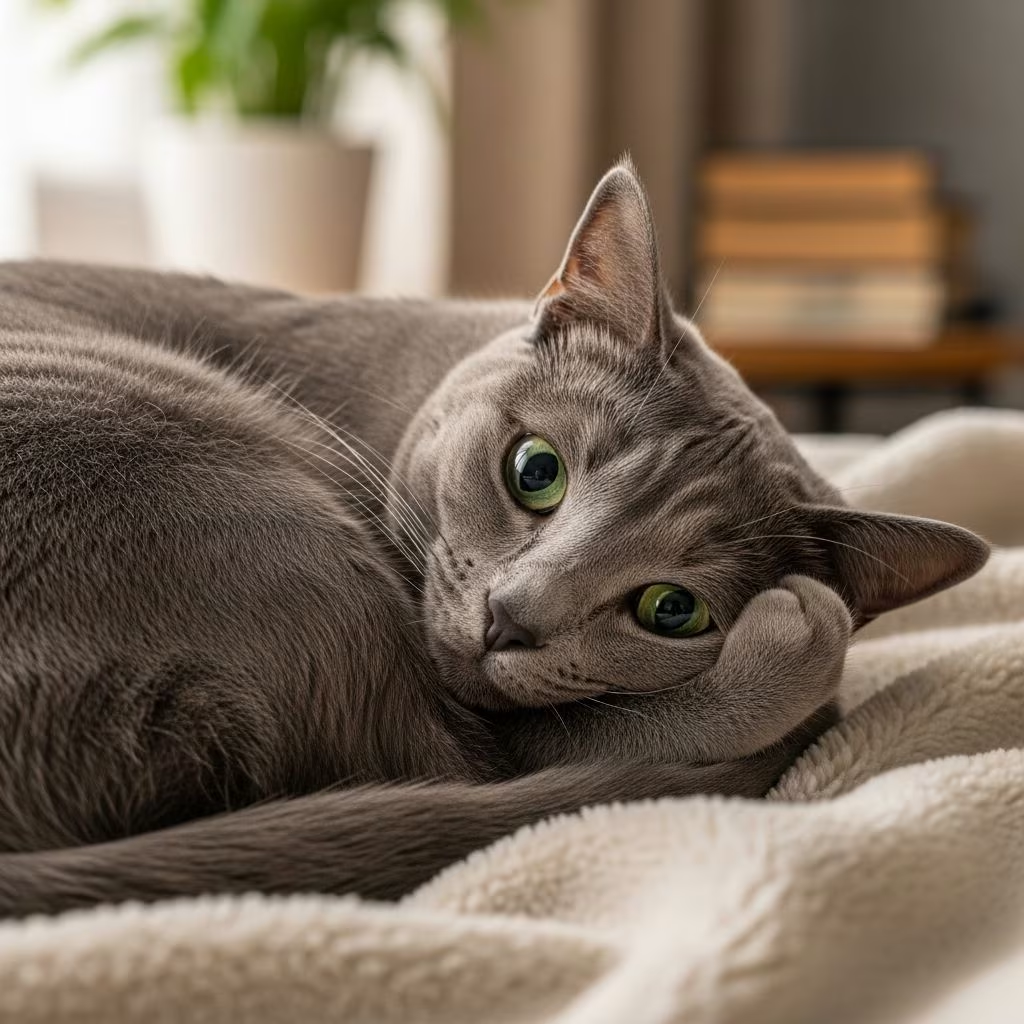
Cats often mask their discomfort, but unrecognized stress can lead to serious behavioral and health problems. Identifying early indicators and addressing root causes helps maintain your cat’s quality of life.
Recognizing Behavioral and Physical Indicators of Feline Stress
Cats communicate distress through subtle shifts in routine and appearance. Acute stress might manifest as crouched posture, pinned-back ears, wide pupils, or involuntary elimination, signaling immediate fear responses. Chronic indicators include reduced appetite, personality alterations, less interest in play, urine marking, excessive sleeping, litter box avoidance, irregular grooming, constant alertness, aggression, or resource guarding.
Overgrooming frequently results in bald patches or skin irritations, particularly on the belly or legs, as cats self-soothe through repetitive licking. Vocal changes, such as unusual meowing or purring, alongside destructive scratching or sudden aggression toward familiars, further highlight emotional strain. Gastrointestinal issues like vomiting or diarrhea often accompany these behaviors. Displacement activities, including sudden face rubbing or wool chewing (pica), emerge during conflicts.
- Behavioral cues: Hiding, trembling, escape attempts, reduced activity, or hyperactivity.
- Physical cues: Appetite loss, fur loss from grooming, diarrhea, or failure to use litter facilities.
- Aggressive cues: Hissing, swatting, flattened ears, dilated pupils, or piloerection.
Primary Triggers Behind Cat Stress
Environmental disruptions top the list of stressors, with sudden routine changes like new food, litter, or household moves provoking anxiety. Conflicts with other cats, whether indoor or outdoor intruders, create ongoing tension. Pain from injuries, arthritis, or chronic illnesses amplifies stress, especially in seniors who struggle with mobility or grooming.
Loud noises, new pets, or family additions unsettle territorial instincts. Barren or unpredictable surroundings, lacking safe spaces or stimulation, exacerbate vulnerability. Relocation, veterinary visits, or even subtle shifts like rearranged furniture can trigger responses. Individual sensitivity varies; one cat may ignore a trigger that overwhelms another.
| Trigger Type | Examples | Impact Level |
|---|---|---|
| Environmental | New home, loud sounds, routine shifts | High |
| Social | New pets, cat conflicts | High |
| Health-Related | Pain, illness | Medium to High |
| Resource | Litter/food scarcity | Medium |
Health Risks Linked to Prolonged Feline Stress
Unchecked stress compromises immunity, inviting infections or reactivating latent ones like feline herpesvirus, a key respiratory issue in stressed cats—those with elevated stress face nearly fivefold infection risk. Feline idiopathic cystitis (FIC), the leading lower urinary tract disorder, correlates strongly with stress; affected cats exhibit painful urination, blood in urine, and box avoidance due to altered bladder permeability and sympathetic overdrive.
Anorexia poses fatal threats, potentially causing hepatic lipidosis where fat overwhelms the liver, especially in overweight cats ceasing intake for days. Corticotropin-releasing hormone from stress suppresses appetite via hypothalamic pathways. Broader effects include weakened nutrition, depression-like withdrawal, and compulsive disorders.
Environmental Adjustments for Stress Relief
Start by consulting a veterinarian to exclude medical issues via exams and tests. Eliminate identifiable triggers: block views of stray cats, deter intruders, or gradually introduce changes. Elevate security with cat trees or perches in social areas, fostering oversight and retreat.
Enrich habitats with scratching posts, toys, and multiple resources (litter boxes, bowls) per cat guideline: n+1, where n is cat count. Designate quiet zones for decompression. Routine predictability—consistent feeding, play—builds stability. Physical exercise via interactive toys combats anxiety, while mental puzzles like treat dispensers engage instincts.
Non-Pharmacological Interventions
Synthetic feline pheromones (e.g., Feliway) mimic facial marking scents, aiding adaptation to novelties like moves or vet trips. They curb spraying, compulsive behaviors, and hospitalization stress. Diffusers or sprays suit various scenarios, combinable with other aids.
Nutritional supplements like alpha-casozepine, a GABA agonist, demonstrate anxiety reduction across species including cats. Lavender aromatherapy offers calming effects, though further studies are warranted. Specialized anti-anxiety diets support long-term management.
Veterinary and Medication Options
For persistent cases, vets may prescribe gabapentin, amitriptyline, fluoxetine, or melatonin to modulate brain chemistry and enhance coping. Compounded formulations ensure palatable, precise dosing. Behavior modification plans, potentially with environmental tweaks or training, complement meds.
Hepatic lipidosis demands urgent hospitalization if eating halts. Comprehensive exams pinpoint triggers, ruling out pain or disease. Long-term commitment yields results.
Daily Practices for a Low-Stress Feline Life
Implement gradual transitions for any changes, providing ample adjustment time. Daily play sessions mimic hunting, releasing endorphins. Vertical space expansion via shelves satisfies climbing urges. Monitor multi-cat dynamics, intervening in tensions early. Regular vet checkups catch brewing issues.
Foster bonding through gentle petting on preferred areas, respecting cues to stop. Hydration via fountains encourages intake, mitigating urinary stress.
FAQs on Cat Stress Management
Can stress cause my cat to stop using the litter box?
Yes, stress frequently prompts inappropriate elimination, linked to FIC or marking. Vet evaluation is essential.
How quickly should I act on stress signs?
Promptly; prolonged stress risks severe health declines like liver disease.
Are pheromone products safe for all cats?
Generally yes, as synthetics mimic natural signals, but consult vets for specifics.
Does exercise really help anxious cats?
Absolutely; it reduces tension and promotes natural behaviors.
When is medication necessary?
If environmental fixes fail and anxiety persists, per vet recommendation.
Monitoring Progress and Long-Term Wellness
Track behaviors pre- and post-interventions using journals. Improvements may take weeks; persistence warrants re-evaluation. Holistic approaches—diet, environment, interaction—sustain calm. Stressed cats thrive with patient, informed care.
References
- Easing Feline Stress: Simple Solutions for Anxious Cats — Wedgewood Pharmacy. 2023. https://www.wedgewood.com/blog/easing-feline-stress-simple-solutions-for-anxious-cats/
- Stress in owned cats: behavioural changes and welfare implications — PMC (National Library of Medicine). 2024-01-15. https://pmc.ncbi.nlm.nih.gov/articles/PMC10816390/
- Stress: The Silent Feline Health Threat — Urgent Pet Care Omaha. 2024. https://urgentpetcareomaha.com/stress-the-silent-feline-health-threat/



