

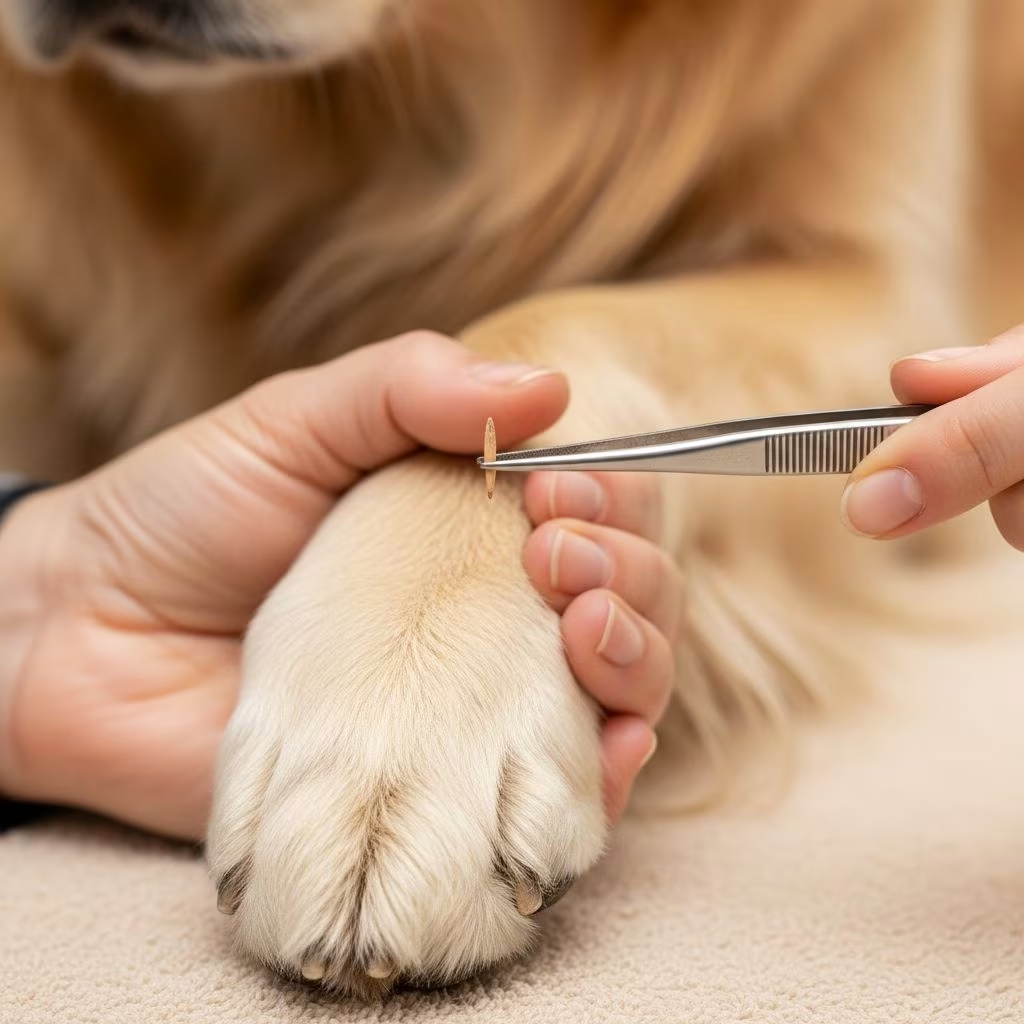
Splinters and embedded objects in a dog’s paws are common injuries that many pet owners encounter. Whether your dog has stepped on a wooden splinter during an outdoor adventure or picked up a thorn during a walk, knowing how to respond quickly and safely can make a significant difference in your pet’s comfort and recovery. This comprehensive guide will walk you through the entire process of managing splinter injuries in dogs, from initial detection to post-removal care.
Recognizing When Your Dog Has a Splinter
The first step in addressing a splinter problem is recognizing that your dog has one. Dogs cannot tell us verbally about their discomfort, so they communicate through behavioral cues and physical signs. Learning to read these signals will help you identify splinter injuries quickly.
Behavioral indicators are often your first clue that something is wrong. If your dog continuously licks, bites, or paws at a particular area of their foot, this repetitive behavior suggests they are trying to remove something from their paw. Dogs instinctively attempt to dislodge foreign objects, so pay close attention to which paw receives this attention. Similarly, if your dog is reluctant to place full weight on one paw or is limping, this favoring behavior indicates pain in that specific foot.
Physical examination can reveal additional clues. Look for visible signs such as swelling, redness, or the actual splinter protruding from the paw pad. Sometimes the splinter itself may be difficult to see if it has penetrated deeply into the skin or if your dog’s paw has hair growth obscuring the injury. In these cases, you may need to trim the hair around the affected area to get a clear view of the problem.
Preparing Your Dog and the Affected Area
Before attempting to remove a splinter, proper preparation is essential. This involves calming your dog, examining the injury site closely, and creating optimal conditions for removal.
Start by creating a calm environment for your dog. Use a soothing voice and gentle touch to help reduce anxiety. Your dog is likely experiencing discomfort, and a stressed or anxious dog will be more difficult to work with. Consider having another person present to help steady your dog or provide reassurance during the procedure.
Next, clean the affected paw thoroughly. Submerge the paw in warm, soapy water for several minutes. This accomplishes multiple goals: it removes dirt and debris, softens the skin, reduces pain, and may help loosen the splinter. If the splinter is embedded just beneath the skin’s surface, soaking may help bring it closer to the surface, making removal easier. An alternative cleaning solution is a 50-50 mixture of water and hydrogen peroxide, which has mild antiseptic properties.
For stubborn cases where the splinter remains embedded, consider soaking the paw in a warm Epsom salt solution for five to ten minutes. Epsom salt can soften the surrounding skin tissue and potentially bring the splinter closer to the surface, improving visibility and accessibility.
After cleaning and soaking, gently dry the paw with a clean towel. Trim away any excess hair around the injury site to improve visibility. This simple step can make a substantial difference in whether you can see and access the splinter effectively.
Safe Removal Techniques for Embedded Objects
Removing a splinter requires precision, patience, and the right tools. The method you use depends on whether the splinter is partially or completely embedded in the skin.
Using Tweezers for Visible Splinters
For splinters that protrude from the skin or are partially visible, tweezers are the primary tool of choice. Use fine-tipped tweezers, preferably the ones found in standard first-aid kits, as these provide better control. Grip the splinter as close to the skin as possible rather than at the far end. This positioning gives you better leverage and control over the removal process.
Pull the splinter out slowly and smoothly in the direction it entered the paw, not upward or at angles. Many people make the mistake of pulling straight up, which often causes the splinter to break, leaving fragments embedded in the skin. A smooth, directional pull minimizes this risk.
Using a Sterilized Needle for Deeply Embedded Splinters
If the splinter is deeply embedded and you cannot grasp it with tweezers, a sterilized needle can help. Sterilize the needle by wiping it with alcohol or passing it through a flame and allowing it to cool. Use the needle to gently pry the splinter up from beneath the skin surface, working carefully to avoid causing additional damage. Once you’ve lifted the splinter slightly, attempt to grip it with tweezers and remove it slowly.
When to Seek Professional Help
If the splinter is completely embedded under the skin or not visible after cleaning and soaking, do not attempt aggressive extraction. Excessive poking and prodding can cause stress, pain, and injury to both you and your dog. Similarly, if you have attempted removal and broken the splinter, leaving fragments behind, veterinary assistance is necessary. A veterinarian has specialized tools and expertise to safely extract deeply lodged objects and ensure that no fragments remain in the wound.
Post-Removal Wound Care and Cleaning
After successfully removing the splinter, proper wound care is critical for preventing infection and promoting healing.
Immediately after removal, gently clean the wound area again with warm, soapy water or a clean, cool water rinse. While cleaning, you may notice a small amount of bleeding, which is normal and actually beneficial. Light bleeding helps flush out bacteria and any remaining debris from the wound channel. If bleeding continues, apply gentle pressure with a clean cloth.
Once bleeding has stopped, apply a dog-safe antiseptic to the wound. Consult your veterinarian for specific product recommendations, as some human antiseptics may not be appropriate for dogs. Common options include chlorhexidine or betadine solutions. Avoid using hydrogen peroxide for extended periods, as it can damage healthy tissue if applied repeatedly.
Gently squeeze around the wound area to encourage minimal additional bleeding and ensure that the entire splinter has been removed. This also helps verify that no fragments remain embedded in the skin. If you feel confident that complete removal occurred and the wound is clean, your work is nearly complete.
Determining the Need for Bandaging
Not all splinter wounds require bandaging. The decision depends on the severity of the injury and your dog’s behavior following removal.
| Wound Characteristic | Bandaging Decision | Recommended Action |
|---|---|---|
| Tiny puncture wound, dog walks normally | No bandaging needed | Monitor and reduce activity for 2 days |
| Large puncture hole or visible discharge | Bandaging recommended | Apply antibiotic ointment and cover for 1-2 days |
| Dog reluctant to bear weight after removal | Bandaging recommended | Support healing with protective covering |
| Uncertainty about complete removal | Bandaging recommended | Keep clean and monitor for infection signs |
If the puncture wound is small and your dog is willing to stand on the paw normally within minutes of removal, bandaging may not be necessary. In these cases, simply reduce your dog’s exercise for a couple of days and monitor the area. If the wound looks dry and clean after two days with no discharge or odor, normal activity can resume.
Bandaging becomes important when the puncture hole is substantial, when there is any discharge or odor from the wound, when your dog continues to favor the paw, or when you are uncertain about complete splinter removal. Bandaging serves multiple purposes: it protects the wound from dirt and contamination, keeps medications in place, provides support, and discourages licking or chewing.
Applying Protective Dressings and Medications
When bandaging is appropriate, the application process should be gentle and secure without being too tight.
Begin by applying a triple antibiotic ointment to the wound. Products like Neosporin, while formulated for humans, are generally safe for use on dogs’ external wounds. Apply a generous layer of the ointment directly to the affected area or onto a clean, non-stick 2×2 gauze pad, which you then press gently against the paw.
Cover the treated area with a sterile dressing or gauze pad if not already in place. Secure the dressing with medical tape or an elastic bandage, ensuring the wrap is snug enough to stay in place but loose enough that you can slide a finger beneath it. A wrapping that is too tight can impair circulation and cause additional damage.
For added protection, you can place the bandaged paw into a clean sock and secure it with tape. This provides an extra layer of protection against dirt and prevents your dog from licking the dressing. Change the bandage daily or whenever it becomes dirty or wet.
Most splinter wounds heal quickly. Remove the bandage after one to two days and assess the healing progress. The wound should appear clean without swelling, redness, or discharge. If these signs are present, the wound may be infected and requires veterinary attention.
Monitoring for Infection and Complications
Even minor splinter injuries can become infected if proper care is not maintained. Knowing what to watch for helps you catch problems early.
Inspect the wound daily for signs of infection. Healthy healing wounds should gradually reduce in redness and swelling. Be alert for increased redness, swelling that worsens after two days, discharge (especially if it is colored or has an odor), or if your dog continues to excessively lick or bite at the area.
Your dog’s behavior can also indicate infection. If your dog remains reluctant to bear weight on the paw after several days or if they develop a fever, these are signs that veterinary evaluation is needed. Infections can progress rapidly in paws, so prompt attention is important.
If you notice any concerning signs, contact your veterinarian immediately. They can properly assess the wound, potentially prescribe antibiotics if needed, and ensure that no splinter fragments remain causing ongoing problems.
Reducing Exercise and Promoting Healing
After splinter removal, limiting your dog’s activity helps prevent re-injury and promotes faster healing. Excessive running, jumping, or walking on rough surfaces can aggravate the wound and slow recovery.
For the first two days following removal, restrict your dog’s activity to short, controlled bathroom breaks. If your dog must go outside for walks, consider protective booties or additional wrapping to shield the wound from dirt. After walks, soak or rinse the paw with clean water and salty water solution to remove any road debris or dirt.
By day three or four, if the wound shows good healing progress and your dog is bearing weight normally, you can gradually increase activity levels. Resume normal exercise routines only when the wound has fully closed and healed.
Frequently Asked Questions About Dog Splinters
- Can I use hydrogen peroxide to clean my dog’s splinter wound?
- A 50-50 solution of water and hydrogen peroxide can be used for initial cleaning, but avoid prolonged use as hydrogen peroxide can damage healthy tissue. Use it once or twice initially, then switch to saline solutions or warm soapy water for ongoing cleaning.
- What should I do if the splinter breaks during removal?
- If you break the splinter and cannot remove all fragments with tweezers, take your dog to a veterinarian. Remaining fragments can cause infection or abscess formation if left in the skin.
- How long does it take for a splinter wound to heal?
- Small splinter wounds typically heal within three to five days with proper care. Larger wounds or those that become infected may take one to two weeks or longer to fully heal.
- Should I let my dog lick the wound?
- Continuous licking can introduce bacteria and prevent healing. If your dog licks excessively, use a protective bandage or an Elizabethan collar to prevent further licking while the wound heals.
- What antiseptic is safest for dog wounds?
- Consult your veterinarian for specific recommendations. Safe options typically include chlorhexidine, betadine, or dog-specific antiseptics. Avoid products containing alcohol, as these can be irritating to dogs.
Preventing Future Splinter Injuries
While splinters cannot always be prevented, certain precautions can reduce the likelihood of injury. Regularly inspect your dog’s outdoor play areas and walking routes for potential hazards such as splintered wood, dried vegetation, or sharp objects. Trim your dog’s paw hair regularly to improve your ability to spot injuries quickly. Consider protective booties during walks in high-risk areas, and always supervise outdoor playtime.
By understanding how to identify, remove, and treat splinters in your dog’s paws, you can respond confidently when injuries occur, ensuring your pet receives appropriate care and recovers quickly and safely.
References
- How to Treat Dog Splinters — Dog Wheelchairs India. Accessed February 2026. https://www.dogwheelchairsindia.com/treat-dog-splinters/
- What Should I Do for a Dog with a Splinter? — Hill’s Pet Nutrition. https://www.hillspet.com/dog-care/healthcare/how-to-help-dog-with-splinter
- Thorn in Paw/Embedded Objects – How to Help — First Aid for Pets. https://firstaidforpets.net/thorn-paw-embedded-objects-help/
- Dog Paw Pad Injury: What to Do for Flaps, Burns, Cuts, & More — Toe Grips. https://toegrips.com/dog-paw-pad-injury/
- Emergency Tips to Use if Your Dog is Wounded on a Walk — Hastings Veterinary Clinic. https://hastingsvet.com/emergency-tips-use-dog-wounded-walk/



