

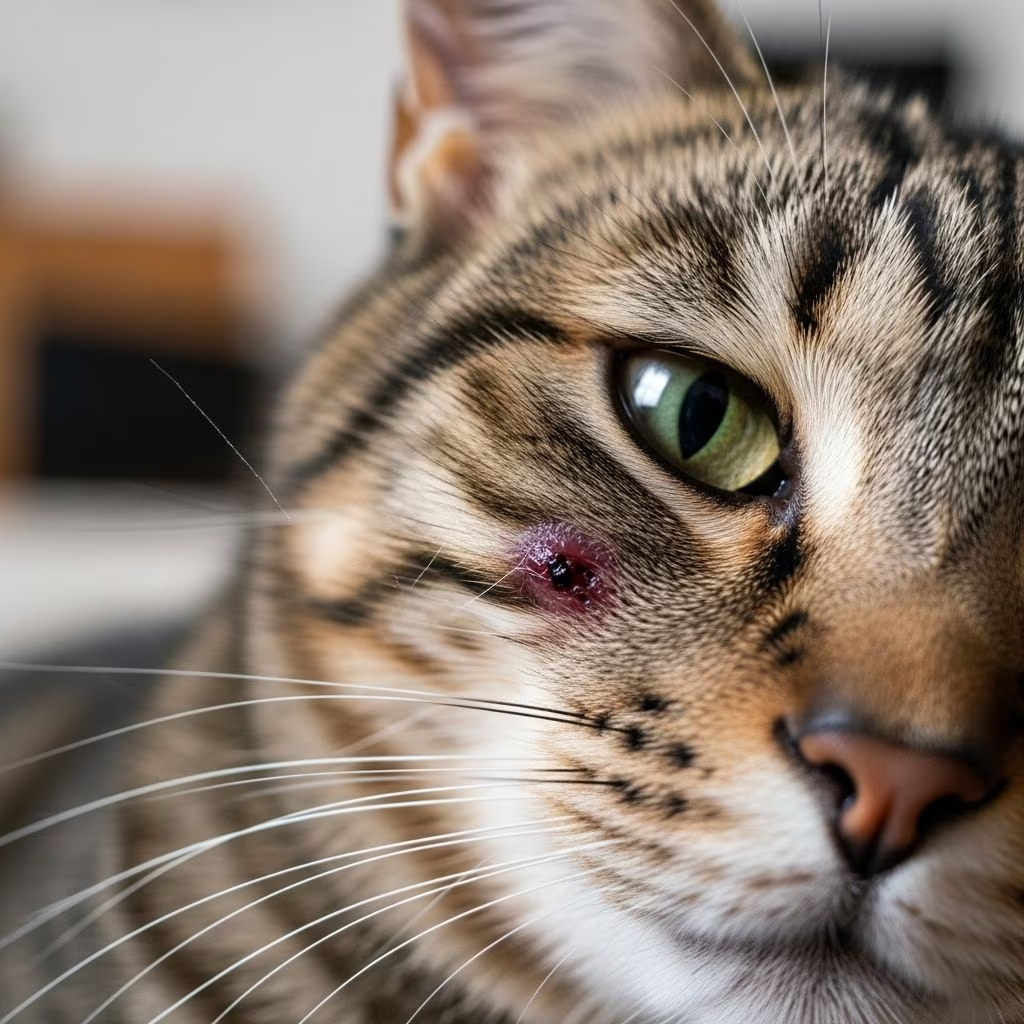
Spider bites pose a serious risk to cats, particularly from venomous species like black widow and brown recluse spiders. Quick recognition of symptoms and immediate veterinary intervention can make the difference between full recovery and severe complications. This guide covers identification, first aid, professional treatments, and long-term prevention strategies to protect your feline companion.
Understanding the Risks of Spider Encounters for Cats
Cats’ natural curiosity often leads them into areas where spiders hide, such as garages, basements, woodpiles, or dark corners of homes. Venomous spiders like the black widow, identifiable by its red hourglass marking, release a neurotoxin that affects the nervous system. Brown recluse spiders, marked by a violin-shaped pattern, produce a toxin causing tissue necrosis. These bites are rare but dangerous, especially since cats are highly sensitive to such venoms.
Non-venomous spider bites typically cause mild irritation, but any bite can lead to secondary infections if scratched or licked excessively. Environmental factors, like regional spider prevalence, increase risks in certain areas of North America.
Key Signs Your Cat Has Been Bitten by a Spider
Symptoms vary by spider type but often appear rapidly. Watch for these indicators:
- Sudden pain or sensitivity at the bite site, with your cat vocalizing or flinching when touched.
- Swelling, redness, or a small puncture mark, sometimes developing into an ulcer for recluse bites.
- Muscle tremors, rigidity, or paralysis, common in black widow envenomations.
- Lethargy, vomiting, rapid breathing, or seizures signaling systemic effects.
- For recluse bites, a pale area surrounded by redness that progresses to a sunken wound over days.
Black widow bites may not leave a visible mark initially, relying on behavioral changes for diagnosis. Brown recluse effects are more localized but can deepen, requiring vigilant monitoring.
Immediate First Aid Steps Before Veterinary Care
While rushing to the vet is priority, initial home actions can stabilize your cat:
- Stay calm and isolate the area: Prevent further spider contact and keep your cat from rubbing or scratching the site.
- Cold compress: Apply a cloth-wrapped ice pack for 10 minutes to reduce swelling and pain. Avoid direct ice contact.
- Clean gently: Use mild soap and water if a wound is visible, but do not probe or squeeze.
- Monitor vital signs: Check breathing, heart rate, and responsiveness; note any progression.
- Avoid home remedies: Skip unproven treatments like baking soda pastes unless vet-approved for minor irritations.
Do not administer human medications without guidance, as dosages differ for cats.
Veterinary Diagnosis of Spider Bites
Vets diagnose primarily through clinical signs, history, and exclusion of other conditions. Expect:
- A thorough physical exam focusing on neurologic status and bite site.
- Bloodwork and urinalysis to detect organ stress or abnormalities.
- Possibly imaging if internal issues are suspected.
Confirmation of spider type aids treatment but is often presumptive.
Treatment Protocols for Black Widow Bites
Black widow envenomation demands hospitalization. Key interventions include:
Recovery involves weeks of monitoring, with home meds possibly continuing.
Handling Brown Recluse Envenomations
No antivenom exists, so care is supportive:
- Wound cleaning, cool compresses, and bandaging to limit necrosis.
- Antibiotics for infection prevention.
- Dapsone to curb tissue damage if started early.
- Pain management with NSAIDs or opioids.
- Severe cases may need blood transfusions, surgery, or skin grafts.
Wounds heal in 1-8 weeks, rarely fatal but potentially scarring.
Recovery Expectations and Home Care
Post-treatment, focus on:
- Wound monitoring: Clean daily, watch for infection signs like pus or fever.
- Nutrition & hydration: Offer soft foods if mouth-affected; ensure water intake.
- Prevent self-trauma: Use an e-collar to stop licking.
- Follow-up visits: For med adjustments and progress checks.
Prognosis improves with prompt care; black widow cases carry higher mortality risk in cats.
Prevention Strategies to Spider-Proof Your Home
Minimize risks proactively:
- Seal cracks, use screens, and reduce clutter in spider hotspots.
- Vacuum webs regularly, especially in garages and basements.
- Employ professional pest control for infestations.
- Supervise outdoor time; shake out bedding or toys stored outside.
- Wear gloves when handling firewood or gardening materials.
Awareness of local spider species guides targeted efforts.
Common Myths About Spider Bites Debunked
- Myth: All spider bites cause necrosis. Fact: Only specific species like brown recluse do reliably.
- Myth: Cats self-resolve venomous bites. Fact: Delays worsen outcomes significantly.
- Myth: Visible marks always appear. Fact: Black widow bites often don’t.
Frequently Asked Questions (FAQs)
What should I do if I suspect a spider bite?
Seek emergency vet care immediately, especially for venomous signs.
How long do symptoms last?
Black widow effects: days to months; recluse wounds: 1-8 weeks.
Can cats die from spider bites?
Yes, untreated black widow bites are often fatal in cats.
Is antivenom always available?
For black widow yes, but recluse lacks it; supportive care suffices.
How to differentiate from other bites?
Consult a vet; symptoms and history are key.
Armed with this knowledge, cat owners can respond effectively to spider threats, ensuring their pets’ safety and well-being.
References
- Black Widow Spider Bite Poisoning in Cats — PetMD. 2023. https://www.petmd.com/cat/poisoning/black-widow-spider-bite-poisoning-cats
- Brown Recluse Spider Bites in Cats — Vetster. 2024. https://vetster.com/en/conditions/cat/brown-recluse-spider-bites-in-cats
- Spider Bites — VCA Animal Hospitals. 2023. https://vcahospitals.com/know-your-pet/spider-bites
- Spider and Scorpion Bites in Animals — Merck Veterinary Manual. 2024-02-17. https://www.merckvetmanual.com/toxicology/venomous-arthropods/spider-and-scorpion-bites-in-animals
- First Aid for Insect Stings in Cats — VCA Animal Hospitals. 2023. https://vcahospitals.com/know-your-pet/first-aid-for-insect-stings-in-cats
- Untangling The Web: How To Handle Spider Bites In Pets — Texas A&M University Stories. 2024-08-22. https://stories.tamu.edu/news/2024/08/22/untangling-the-web-how-to-handle-spider-bites-in-pets/



