

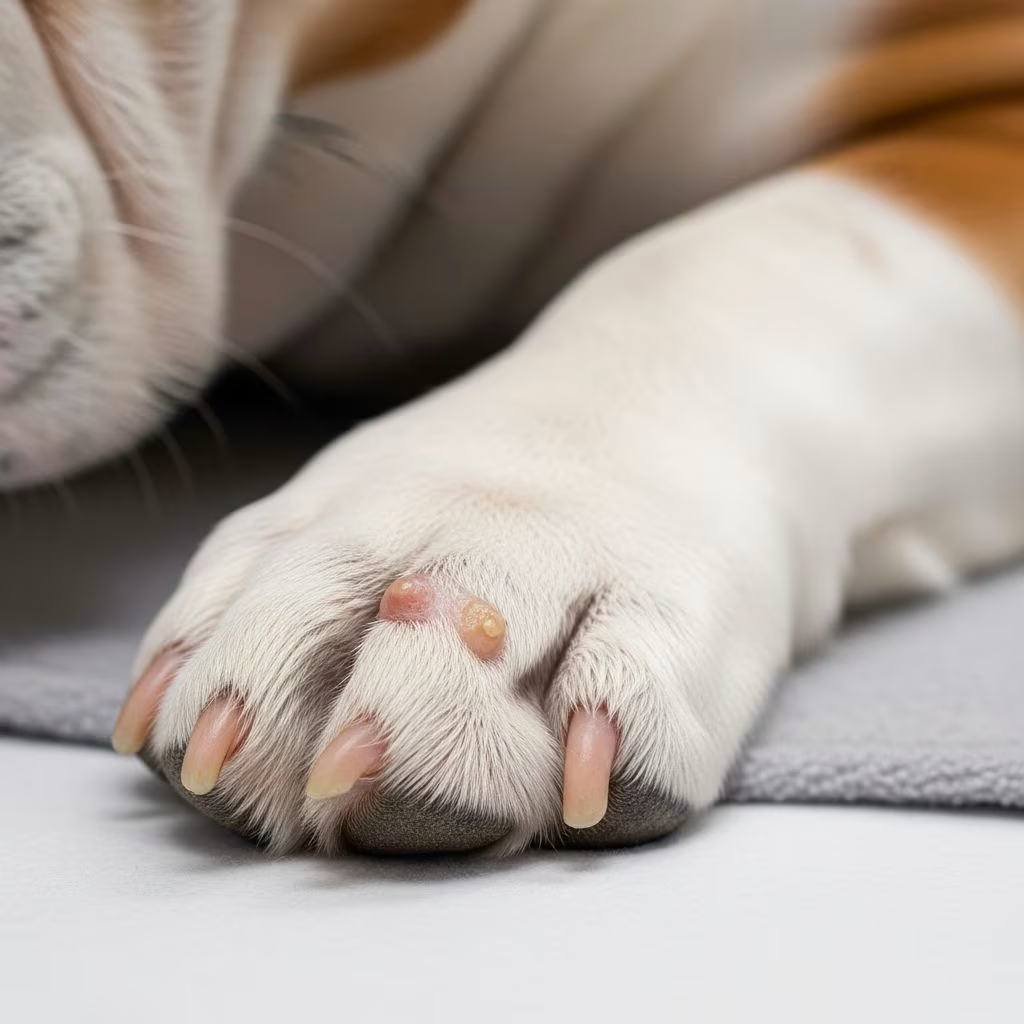
Skin growths affecting a dog’s feet and body can cause significant discomfort and mobility issues. Among the most common problematic growths are corns—hardened calluses that develop on the paw pad—and warts, which are viral growths that can appear anywhere on the skin. Understanding the differences between these conditions and the available treatment approaches helps pet owners make informed decisions about their dog’s care.
Understanding Corns in Dogs
Foot pad corns represent a frequent and painful condition, particularly affecting certain breeds such as Greyhounds and Whippets. These growths develop as thickened, hardened areas of skin on the paw pads and cause lameness when they become severe. Unlike warts, which are caused by viral infection, corns develop from repeated pressure and friction on specific areas of the foot pad.
The condition manifests as visible lesions on the affected paw and typically causes a dog to limp or favor the injured foot. In severe cases, dogs may refuse to bear weight on the affected limb entirely. Pet owners often notice their dog licking or chewing at the foot, indicating pain or irritation in that area.
Diagnosis involves a physical examination by a veterinarian, who can identify the characteristic appearance and location of the corn. Imaging studies may help determine if underlying bone or joint issues are contributing to abnormal pressure distribution on the paw pad.
Distinguishing Warts from Other Skin Conditions
Canine warts are viral growths caused by papillomavirus infection. These growths can range from small, barely noticeable bumps to large, cauliflower-like masses. Unlike corns, warts have a viral origin and can potentially spread to other dogs through direct contact. They may appear on any body surface, including the mouth, skin, and around sensitive areas like the eyes and ears.
Young puppies frequently develop oral warts, which typically resolve on their own as the immune system matures. However, adult dogs with compromised immune function or those exposed to the virus may develop persistent warts that require intervention.
The distinction matters because treatment approaches differ significantly between corns and warts, making accurate identification essential for effective management.
Surgical Intervention: The Primary Treatment Approach
Surgical removal remains the most direct and definitive treatment for both conditions. For corns, a veterinarian typically uses a small curette or surgical blade to carefully remove the hardened tissue from the paw pad. The procedure usually requires only local anesthesia and sedation, making it a relatively straightforward outpatient procedure.
After removal, the paw pad is smoothed using a pumice stone to eliminate rough edges and prevent re-formation. Bandaging follows, and most dogs recover within two to three weeks after suture removal.
For warts, surgical options include:
- Scalpel removal: Direct excision works well for accessible warts and allows tissue collection for diagnostic purposes
- Laser surgery: Veterinary dermatologists prefer laser treatment for warts in sensitive locations such as around the eyes or on ear tissue, as the precision minimizes damage to surrounding healthy tissue and reduces bleeding
- Cryosurgery: Using intense cold to destroy wart tissue, this method can be effective for isolated growths
A significant consideration with surgical corn removal is recurrence. Studies show that while short-term success rates are high, long-term resolution occurs in fewer than 50% of cases, largely due to underlying mechanical issues or breed-related predispositions.
Innovative Non-Surgical Approaches for Difficult Cases
When surgical removal isn’t feasible or when growths recur, alternative treatments address the underlying cause rather than simply removing the visible growth.
The Duct Tape Method for Corns
An unconventional but reportedly effective approach involves covering the corn with duct tape. The tape is applied directly over the corn without covering the surrounding healthy paw pad tissue. The tape should be replaced daily or every three to five days. This simple technique may work by protecting the corn from further trauma and potentially stimulating the immune system. Reports indicate improvement over approximately two months of consistent application, though patience is required as the corn gradually diminishes in size.
Chemical and Topical Treatments
Salicylic acid pads or ointments applied to corns help soften the hardened tissue and promote gradual resolution. Following initial mechanical removal with a curette, these topical agents support ongoing management. Products like Kerasolv, available through veterinary suppliers, can be massaged into the affected area daily and have shown marked improvement in many dogs.
For warts, imiquimod represents a topical antiviral and antitumor medication that stimulates local immune activity. Applied directly to accessible warts several times weekly for four to eight weeks, this approach can be effective without requiring surgery.
Immune-Modulating Medications
Since viral warts depend on a dog’s immune status, several medications enhance the immune system’s ability to eliminate the infection:
| Medication | Administration | Purpose | Duration |
|---|---|---|---|
| Interferon | Oral or injectable | Stimulates antiviral immune response | Several weeks |
| Cimetidine | Oral | Immune-modulating properties | Variable |
| Azithromycin | Oral antibiotic | Effective for multiple warts | Course varies |
| Imiquimod | Topical cream | Antiviral and antitumor effects | 4-8 weeks |
Interferon therapy works particularly well when started early in the infection course and can accelerate wart resolution while reducing recurrence rates. Treatment typically continues for several weeks as the immune system builds its response.
Autogenous Vaccines: Personalized Immunotherapy
One of the most innovative approaches involves creating a custom vaccine from a dog’s own wart tissue. The veterinarian removes several warts and processes the tissue to create an inactivated vaccine, which is then administered back to the dog to stimulate a stronger immune response against the specific virus strain present.
This autogenous vaccine approach proves particularly valuable for dogs with persistent or recurrent warts that haven’t responded to other treatments. While the process requires several weeks from tissue collection through vaccine preparation and administration, success rates are high. This personalized approach works best for dogs that have shown warts resistant to conventional therapy.
Special Considerations for Immunocompromised Dogs
Dogs receiving immunosuppressive medications such as corticosteroids or chemotherapy, or those with underlying immune-suppressing diseases, face unique challenges. These animals may never clear papillomavirus infections without active intervention. For such dogs, earlier, more aggressive treatment becomes essential to prevent chronic, progressive problems.
In these cases, combining multiple therapeutic approaches—such as surgical removal plus immune stimulation—often yields better results than single-modality treatment.
Managing Oral Warts in Puppies
Puppies frequently develop oral warts that resolve spontaneously within eight to twelve weeks as the immune system matures. However, extensive oral wart growth that interferes with normal eating requires intervention to ensure adequate nutrition and normal development.
Surgical removal or immune-stimulating treatments restore normal oral function while the immune system catches up. During this period, soft foods may be necessary to prevent discomfort during meals. Pet owners should monitor affected puppies closely for secondary bacterial infections, which can develop when warts are repeatedly traumatized during eating.
Setting Realistic Expectations
Both corns and warts present treatment challenges, and complete permanent resolution isn’t always achievable. Dog warts may persist for up to two years before regressing, even with treatment. Corns often recur despite successful initial surgical removal, particularly in predisposed breeds.
However, marked improvement in lameness and comfort is frequently achievable with consistent multimodal treatment. Dogs previously affected by corns on multiple feet have responded well to combined approaches, progressing from severe widespread corns to involvement of only one or two sites.
Frequently Asked Questions
How can I tell if my dog has a corn or a wart?
Corns appear as hardened, thickened areas of skin specifically on the paw pads, causing lameness when severe. Warts are viral growths that can appear anywhere on the skin and often have a bumpy, cauliflower-like appearance. A veterinarian can definitively distinguish between them.
Will my dog’s warts disappear on their own?
Many canine warts do resolve spontaneously as the immune system responds to the viral infection. However, this process can take from several weeks to two years. Dogs with compromised immunity or extensive wart growth may benefit from active treatment to accelerate resolution.
Is it safe to use human wart removers on my dog?
No. Human wart removal products are not formulated for canine use and may be toxic or cause adverse reactions. Always consult a veterinarian before attempting any treatment on your dog’s skin growths.
What happens if corns keep coming back?
Recurrent corns suggest underlying mechanical or structural issues affecting pressure distribution on the paw pad. A veterinarian may recommend breed-specific management strategies, changes to exercise routines, or ongoing preventive care rather than repeated surgical removal alone.
Can corns and warts be prevented?
While complete prevention isn’t always possible, especially for predisposed breeds, maintaining proper paw care, monitoring for early signs of growth, and addressing underlying conditions can reduce severity. Vaccination against papillomavirus may help prevent warts in some situations.
Creating a Treatment Plan with Your Veterinarian
Effective management of corns and warts requires collaboration between pet owners and veterinary professionals. The best approach depends on the size, location, and number of growths, as well as your dog’s overall health status and immune function. Your veterinarian can assess these factors and recommend the most appropriate combination of treatments—whether surgical, medical, or both—to restore your dog’s comfort and mobility.
Regular monitoring allows early intervention if new growths develop, preventing chronic, progressive problems. With proper diagnosis and comprehensive management, most dogs experience significant improvement and relief from the pain and lameness these conditions cause.
References
- Dog Wart Removal: Procedure, Coverage and Costs Explained — CareCredit. https://www.carecredit.com/well-u/pet-care/dog-wart-removal/
- Warts in Dogs – PetMD — PetMD. https://www.petmd.com/dog/conditions/all-about-dog-warts-types-causes-and-treatments
- Dog Wart Treatment: Essential Guide For Pet Owners — Devil Dog Petco. https://devildogpetco.com/blogs/the-devil-dog-blog/dog-wart
- Foot Pad Corns In Dogs: Symptoms And Treatment Options — Kingsdale Animal Hospital. https://www.kingsdale.com/foot-pad-corns-in-dogs-symptoms-and-treatment-options
- Corns/Warts | Greyhound Gang — Greyhound Gang. https://www.greyhoundgang.org/learn/health/corns/
- Warts on Dogs: Vet Treatment Advice — MetLife Pet Insurance. https://www.metlifepetinsurance.com/blog/pet-health/warts-on-dogs/



