

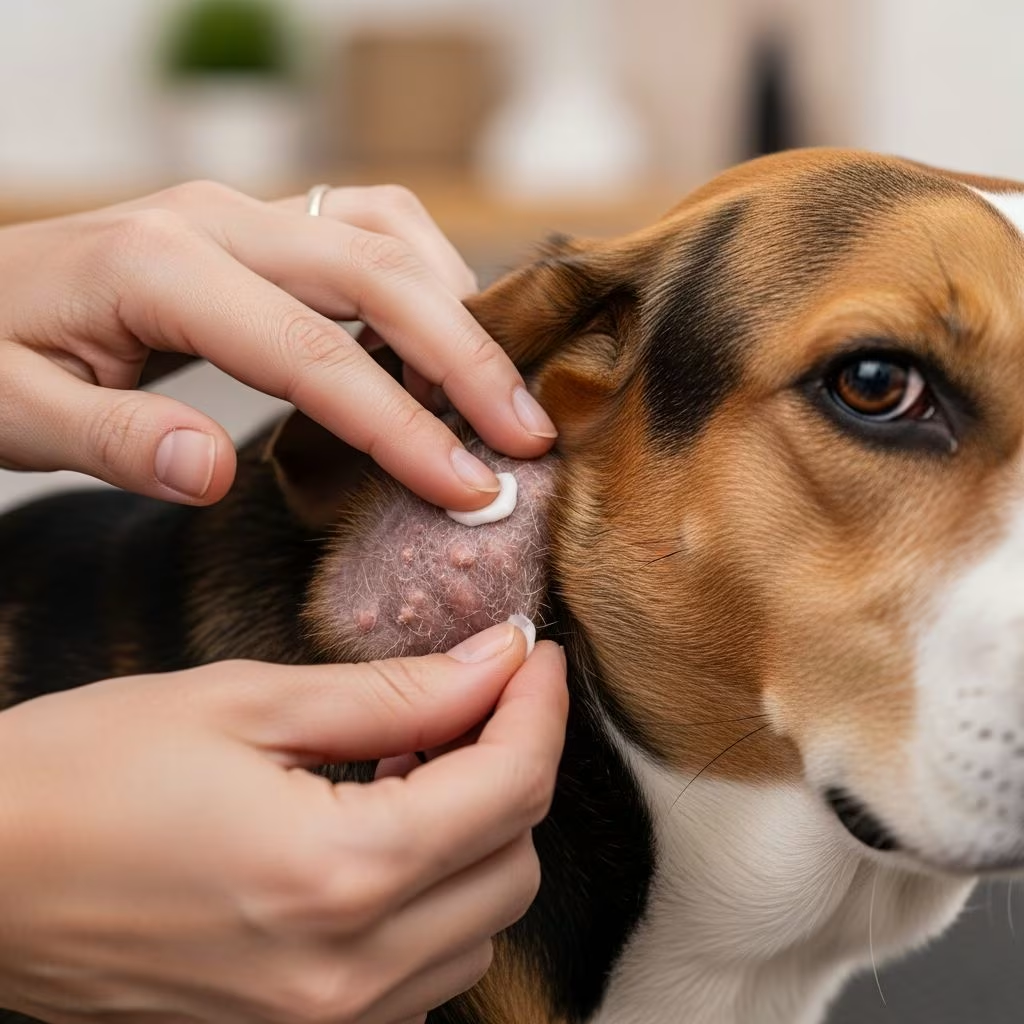
Dogs can develop persistent skin problems that resemble human psoriasis, characterized by flaky, red, and itchy patches. While true psoriasis is rare in canines, similar conditions like autoimmune disorders or allergies often produce comparable symptoms requiring targeted interventions.
Recognizing Common Canine Skin Disorders
Skin issues in dogs frequently manifest as excessive scratching, scaling, redness, and hair loss. These signs may stem from allergies, infections, or immune-mediated diseases rather than classic psoriasis. Early identification allows for prompt treatment to prevent secondary complications like bacterial infections.
- Flaky or scaly skin patches, often on elbows, ears, or belly
- Intense itching leading to self-trauma and sores
- Redness and inflammation in affected areas
- Thinning hair or bald spots from chronic irritation
- Occasional odor from secondary yeast or bacterial overgrowth
Owners should monitor for these indicators and consult a veterinarian for biopsy or skin scrapings to confirm the underlying cause.
Diagnostic Approaches for Accurate Identification
Veterinarians employ several methods to differentiate psoriasis-like conditions from other dermatoses. A thorough history, including diet and environment, precedes physical exams and diagnostic tests.
| Test Type | Purpose | Common Findings |
|---|---|---|
| Skin Biopsy | Examine tissue under microscope | Autoimmune changes or scaling patterns |
| Cytology | Sample skin cells | Bacteria or yeast presence |
| Allergy Testing | Intradermal or blood serum | Specific environmental triggers |
| Fungal Culture | Grow samples | Ringworm or other infections |
These steps ensure treatments address the root issue, improving outcomes.
Pharmacological Interventions for Relief
Medications form the cornerstone of therapy for severe skin conditions. Immunosuppressants reduce overactive immune responses mimicking psoriasis.
- Corticosteroids: Prednisone or dexamethasone quickly alleviate inflammation and itching. Short-term use minimizes side effects like increased thirst.
- Immunosuppressants: Azathioprine, chlorambucil, or cyclosporine for refractory cases. Cyclosporine at 5mg/kg daily shows efficacy in atopic and autoimmune dermatoses.
- Targeted Itch Inhibitors: Oclacitinib (Apoquel) or lokivetmab (Cytopoint) block itch signals with fewer systemic effects.
- Antibiotics: Cephalexin or amoxicillin for bacterial complications, typically 2-4 weeks.
Combination therapy often yields best results, with regular monitoring for adverse reactions.
Topical Therapies: Direct Skin Support
Applied directly to lesions, topicals soothe irritation and combat infections without widespread effects.
- Medicated shampoos with chlorhexidine or miconazole remove scales and kill microbes.
- Corticosteroid creams or sprays reduce localized inflammation.
- Moisturizers containing oatmeal, aloe, or pramoxine hydrate and calm dry skin.
- Antifungal solutions like ketoconazole for yeast overgrowth.
Bathing frequency varies; weekly sessions prevent dryness while avoiding over-washing.
Nutritional Strategies to Bolster Skin Health
Diet plays a pivotal role in managing chronic skin issues. Supplements target deficiencies linked to poor barrier function.
| Supplement | Benefits | Sources/Dosage Notes |
|---|---|---|
| Omega-3 Fatty Acids | Reduce inflammation | Fish oil; 20-50mg/kg EPA/DHA daily |
| Zinc | Supports immune function | Chelated forms; vet-guided dosing |
| Vitamin C & D | Antioxidant protection, skin repair | Sun exposure aids D; supplements as needed |
| Omega-6 Fatty Acids | Enhance skin barrier | Borage or evening primrose oil |
Hypoallergenic diets eliminate triggers, promoting resolution over weeks.
Holistic and Preventive Measures
Beyond drugs, lifestyle adjustments sustain remission. Regular grooming removes debris, while flea control prevents exacerbations.
- Increase outdoor time for natural Vitamin D synthesis.
- Use hypoallergenic bedding and gentle cleaners.
- Hyposensitization vaccines for allergy desensitization.
- Stress reduction through exercise and routine.
Integrating these reduces reliance on medications long-term.
Potential Risks and Monitoring Protocols
Treatments carry risks; corticosteroids may cause muscle wasting, while immunosuppressants increase infection susceptibility. Monthly bloodwork tracks organ function. Owners report changes in appetite, energy, or stool promptly.
Cyclosporine occasionally induces psoriasiform reactions, resolvable by dose adjustment or antibiotics.
Case Examples of Successful Management
A dog with scaly elbows responded to cyclosporine and omega supplements within months, regaining full coat density. Another with widespread redness improved via medicated baths and Apoquel, avoiding steroids.
These illustrate tailored plans’ effectiveness.
Frequently Asked Questions (FAQs)
Can dogs truly have psoriasis?
True psoriasis is uncommon; most cases mimic it via allergies or autoimmunity.
How long until treatments work?
Improvement often seen in 1-4 weeks; full control may take months.
Are natural remedies sufficient alone?
They support but rarely replace meds for severe cases.
What if symptoms recur?
Adjust protocols or retest; maintenance therapy common.
Is surgery ever needed?
Rarely; for localized growths or unresponsive lesions.
Long-Term Outlook and Owner Tips
With consistent care, most dogs achieve good quality of life. Track progress photos, adhere to schedules, and schedule biannual vet checks. Early intervention prevents chronicity.
References
- Autoimmune Skin Disease in Dogs — VCA Animal Hospitals. 2023. https://vcahospitals.com/know-your-pet/autoimmune-skin-disease-in-dogs
- Can Dogs Get Psoriasis? — WagWalking. 2024. https://wagwalking.com/wellness/can-dogs-get-psoriasis
- Understanding Canine Skin Disorders — Creedmoor Road Animal Hospital. 2024. https://creedmoorroadanimalhospital.com/pet-dermatology-in-raleigh-nc/understanding-canine-skin-disorders/
- Dog Psoriasis and Skin Problems: Signs, Causes, and Treatments — Revival Animal Health. 2024. https://www.revivalanimal.com/learning-center/dog-psoriasis-and-skin-problems-signs-causes-and-treatments
- My favorite new drugs in veterinary dermatology — dvm360. 2023. https://www.dvm360.com/view/my-favorite-new-drugs-veterinary-dermatology-parts-1-and-2-proceedings
- Can Dogs Get Psoriasis? What Every Pet Parent Should Know — Fitwarm. 2024. https://www.fitwarm.com/blogs/news/can-dogs-get-psoriasis-what-every-pet-parent-should-know
- Cyclosporine‐induced psoriasiform‐lichenoid dermatosis in four dogs — Wiley Online Library (BVA Journals). 2024. https://bvajournals.onlinelibrary.wiley.com/doi/10.1002/vrc2.984



