

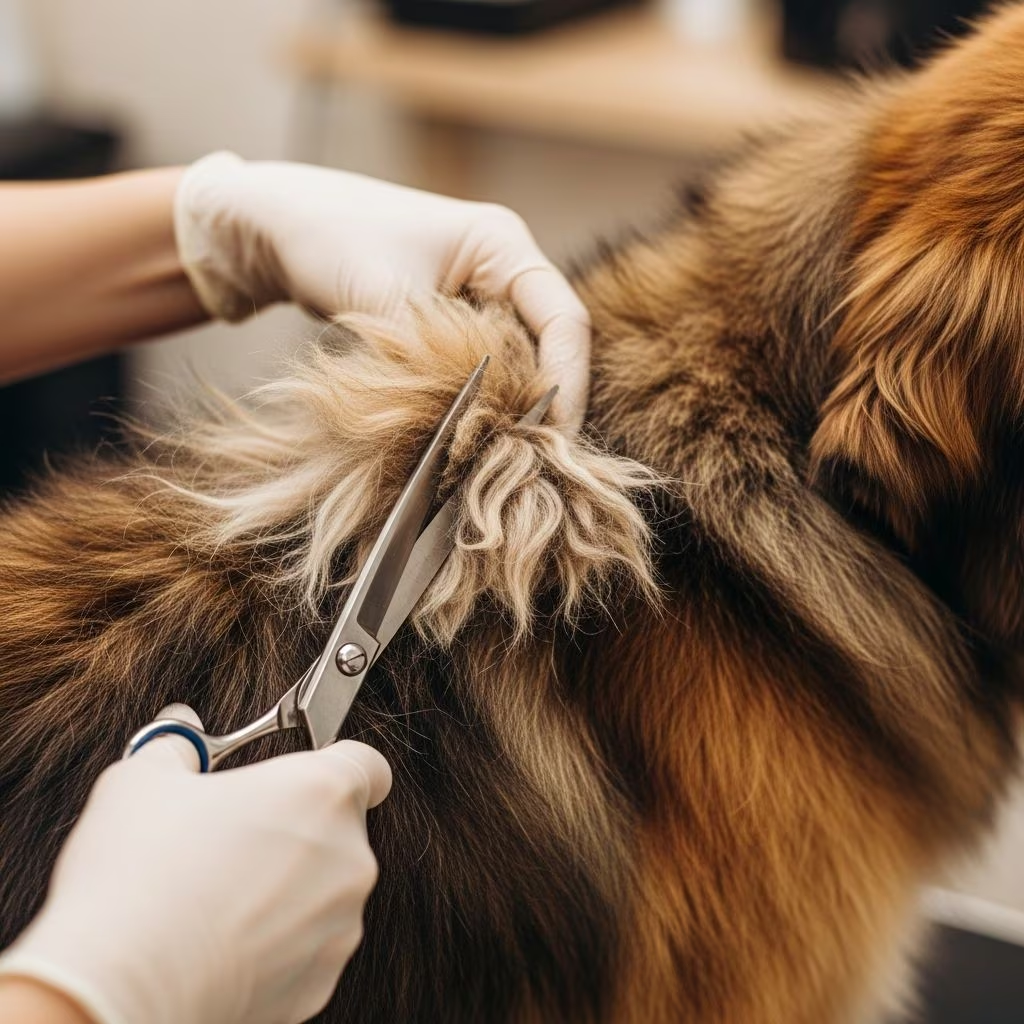
Matted fur represents one of the most challenging grooming issues dog owners face. When your dog’s coat becomes severely matted, it goes beyond a cosmetic concern—it can cause physical discomfort, restrict movement, and create conditions for skin infections and parasites. Understanding how to properly address severe matting requires knowledge of appropriate techniques, the right tools, and when to seek professional assistance. This guide explores evidence-based approaches to managing severely matted coats while prioritizing your dog’s comfort and safety.
Understanding Severe Matting and Its Impact on Canine Health
Matting occurs when loose hair, dirt, and moisture become tangled together, forming dense clumps that tighten over time. Severe matting develops when mild tangles go unaddressed and progressively worsen through continued friction, moisture exposure, and lack of grooming intervention. The condition most commonly affects dogs with soft, longer coats, though any dog can develop mats in areas where fur naturally rubs together.
The consequences of severe matting extend beyond appearance. Tightly matted fur pulls painfully at the skin beneath, restricts blood circulation, and creates warm, moist environments where bacteria and parasites thrive. Dogs with severe matting may experience reduced mobility, behavioral changes due to discomfort, and increased susceptibility to dermatological infections. Recognizing the urgency of proper mat removal becomes essential for maintaining your dog’s wellbeing.
Essential Tools and Equipment for Mat Management
Successful mat removal begins with assembling appropriate tools designed specifically for this task. Using human grooming equipment or inappropriate dog tools increases the risk of injury and makes the process unnecessarily difficult.
- Slicker Brushes: These brushes feature short, fine wires set close together, making them ideal for initial coat assessment and gentle detangling of less severe mats. The dual-level pin design helps separate hair effectively without excessive pulling.
- Detangling Combs: Metal combs with varying tooth spacing allow you to work through partially separated mats progressively, starting from loose areas and working toward tighter sections.
- Electric Pet Clippers: Professional-grade clippers with appropriate blade sizes offer the safest method for removing severely matted sections. Unlike scissors, clippers are designed to cut hair without contacting skin, significantly reducing injury risk.
- Dog-Specific Shampoo and Conditioner: High-quality, moisturizing products formulated for dogs help soften mats and prepare the coat for detangling. Human products contain pH levels and ingredients unsuitable for canine skin.
- Mat Splitters: These specialized tools help separate dense mats into manageable sections without cutting, useful as an intermediate step before more aggressive removal methods.
- Towels and Drying Equipment: Clean towels for gentle drying and a low-heat blow dryer help prepare the coat for mat removal while minimizing additional matting.
Pre-Removal Assessment and Preparation Strategies
Before attempting mat removal, proper assessment ensures you select appropriate techniques for your specific situation. Thoroughly examine your dog’s coat, identifying all matted areas and assessing their severity. Pay particular attention to areas prone to matting: behind ears, around the neck, underarms, rear legs, and under the tail.
Create an optimal environment for the grooming process. Choose a quiet, well-lit location where your dog feels secure and relaxed. A comfortable, non-slip surface helps your dog remain steady throughout the procedure. Gather all necessary tools within arm’s reach before beginning, ensuring you won’t need to leave your dog unattended during the process.
Take time to calm and reassure your dog through gentle handling and positive reinforcement. Anxious dogs tend to resist grooming efforts, making the process more stressful and potentially dangerous. Consider scheduling removal sessions when your dog is naturally calm or slightly tired, improving cooperation throughout the procedure.
Progressive Detangling Methods: From Gentle to Intensive
Effective mat removal follows a progression from least to most invasive techniques. This approach maximizes hair preservation while prioritizing your dog’s comfort.
Manual Separation Using Fingers
Begin by holding the base of the mat firmly with one hand to protect skin from pulling. Using your other hand, gently work through the mat from top to bottom, separating individual hairs and small sections. This method works best for newer, less tightly packed mats. Patience during this stage often prevents the need for more aggressive techniques later.
Brush-Based Detangling
If manual separation proves insufficient, progress to using a slicker brush. Maintain your grip on the mat’s base while brushing from bottom to top in short, gentle strokes. Try approaching the mat from different angles, as one side may separate more easily than others. This technique helps release trapped debris while gradually loosening the mat’s structure.
Comb Application for Persistent Mats
For mats resisting brush treatment, switch to a de-shedding rake or finishing comb with wider tooth spacing. Continue holding the base while slowly pulling the comb through the mat, starting near the top where tangles are typically less severe. Work methodically downward, making multiple passes from different angles as needed. This graduated approach often breaks down resistant mats without requiring removal.
Bathing Protocols for Matted Coats
Water can either help or hinder mat removal depending on application timing and technique. Understanding proper bathing protocols optimizes outcomes while minimizing complications.
Before bathing, perform initial brushing to remove loose debris and separate superficial tangles. This pre-bath preparation prevents water from driving loose material deeper into mats. During bathing, use lukewarm water and high-quality dog shampoo designed for sensitive coats. Apply conditioner generously to matted areas, allowing it to sit for several minutes before rinsing thoroughly. Conditioning agents help soften mats and reduce pulling during subsequent detangling efforts.
Avoid vigorously rubbing or scrubbing matted sections, as this action tightens mats and can drive water deep into tangled areas. Use gentle, downward strokes with the direction of hair growth. Pat rather than rub when drying with towels, and never allow matted fur to air dry completely without combing, as moisture can set mats permanently.
Clipping and Cutting Techniques for Severe Cases
When mats resist detangling efforts or cover extensive areas, clipping becomes necessary. This section addresses safe cutting procedures that protect your dog’s skin while effectively removing problematic mats.
Why Electric Clippers Outperform Scissors
Safety represents the primary reason for using electric clippers rather than scissors for severe mat removal. Dogs frequently move unexpectedly during grooming, and scissors held near active dogs pose significant laceration risks to delicate skin. Professional pet clippers feature blade designs that safely navigate between skin and hair, preventing accidental cuts even during slight movement. Scissors cannot provide this safety margin.
Proper Clipping Procedure
Select an appropriate blade size based on desired coat length and mat severity. Secure and stretch the skin around the mat to create a flat surface for clipping. Hold the mat firmly away from the body, creating space between the mat and underlying skin. Position the clipper blade at the mat’s base, angling slightly away from skin rather than directly against it. Engage the clippers and move slowly through the mat, maintaining steady pressure without forcing the device.
Work methodically rather than aggressively. Rushing increases the likelihood of clipper-related injuries and causes discomfort through pulling and skin irritation. If you feel resistance, pause and reassess your approach rather than forcing the clippers through tight tangles. Monitor blade temperature throughout the process; hot blades cause discomfort and can burn sensitive skin. Many groomers cool blades periodically during extended sessions.
Blade Selection and Technique
Different blade sizes serve different purposes in mat removal. Longer blades (#4, #5) work well for general matting in non-sensitive areas, while shorter blades (#10, #15) better handle severely matted sections close to skin. Some groomers layer different blade sizes, starting with longer blades and progressing to shorter ones as mats break down. Guard attachments can be placed over short blades for extra safety when working near sensitive skin areas.
Handling Sensitive Areas with Extra Caution
Certain body areas require particularly careful handling during mat removal. The face, ears, underarms, and paw pads have sensitive skin and thin tissue that damages easily. Never attempt to remove mats from ears using aggressive pulling or cutting techniques. The ear leather is highly sensitive, and improper handling causes pain and potential permanent damage. Consider professional assistance for facial and ear matting.
Examine underarm areas for skin irritation before beginning removal, as mats in these regions frequently cause rubbing and infection. Use gentle techniques and appropriate blade choices for underarm work. When addressing mats between or on paw pads, move cautiously to avoid disturbing sensitive pad tissue or cutting too close to the webbing between toes.
Recognizing When Professional Assistance Is Necessary
Some situations exceed the scope of home grooming and warrant professional intervention. Pelting—where the entire undercoat becomes matted so severely that you cannot reach skin beneath—requires professional expertise and specialized equipment. Dogs experiencing widespread severe matting accompanied by skin irritation, open sores, or signs of infection need veterinary assessment before grooming proceeds.
If your dog shows extreme anxiety, aggression, or physical reactions to grooming attempts, professional groomers with experience handling difficult dogs may achieve better results with less stress. Additionally, if you lack confidence in your technique or feel uncomfortable working near sensitive areas, professional services protect your dog and prevent accidental injury.
Prevention Strategies to Minimize Future Matting
Establishing consistent grooming routines prevents severe matting from developing initially. Dogs with soft, long coats benefit from brushing several times weekly, while shorter-coated breeds may need less frequent attention. The appropriate brush depends on your dog’s specific coat type—slicker brushes work well for many long-coated dogs, while other breeds benefit from undercoat rakes or pin brushes.
Regular inspection between formal grooming sessions catches developing mats while they’re small and easily managed. Cuddle time provides an excellent opportunity to run your hands through your dog’s coat, feeling for early tangles before they progress to severe mats. Address any mats immediately upon discovery rather than delaying treatment.
Environmental factors contribute to matting, particularly for dogs spending time outdoors. Moisture from swimming, rain, or high humidity increases matting risk. Thorough drying after water exposure helps prevent moisture-related tangles. Regular bathing with conditioning treatments strengthens hair and reduces mat formation, though bathing frequency should match your dog’s skin needs to avoid drying out the coat.
Frequently Asked Questions About Severe Mat Removal
- How long does severe mat removal typically take?
- Severe mat removal duration depends on matting extent, techniques used, and your dog’s cooperation. Small areas might require 15-30 minutes, while extensive matting can require several hours. Some cases benefit from scheduling multiple sessions rather than one extended session, which reduces stress and improves outcomes.
- Will removing mats hurt my dog?
- Improperly executed mat removal can cause pain and skin damage. Correctly performed removal using appropriate techniques minimizes discomfort. However, mats already pulling on skin create inherent discomfort, which removal alleviates. Your dog may experience mild discomfort during detangling, but proper technique reduces this significantly.
- Can I use human hair products for mat removal?
- No. Human shampoos and conditioners contain pH levels and ingredients unsuitable for canine skin. They can cause irritation and may damage your dog’s coat. Always use products specifically formulated for dogs.
- What if my dog has a severe skin reaction after mat removal?
- If your dog develops excessive redness, sores, or signs of infection following mat removal, consult your veterinarian promptly. These signs may indicate clipper burn, secondary skin infection, or underlying conditions requiring medical attention.
- How often should I groom my dog to prevent matting?
- Grooming frequency depends on coat type and lifestyle. Long-coated dogs typically need brushing 3-4 times weekly, while shorter coats may need weekly attention. Dogs spending significant time outdoors or around water may require more frequent grooming.
Conclusion: Prioritizing Comfort During Mat Management
Managing severely matted dog coats requires patience, appropriate tools, and understanding of safe techniques. By following progressive methods from gentle detangling to careful clipping, you can effectively remove mats while minimizing stress and injury risk. Regular prevention through consistent grooming prevents severe matting from developing initially. When uncertainty exists regarding proper technique or mat severity, professional groomers and veterinarians provide invaluable guidance. Your dog’s comfort and safety should always remain paramount throughout the mat removal process.
References
- How to Groom a Matted Dog — Primped Pooches. Accessed 2026. https://www.primpedpooches.com/how-to-groom-a-matted-dog
- 5 Tricks to Get Mats Out of Dog Hair — Wahl USA. Accessed 2026. https://wahlusa.com/expert-advice/grooming-pets/mat-removal
- Got a Dog with Matted Hair? Smart De-Tangling Hacks — Barkbus. Accessed 2026. https://www.barkbus.com/blog/how-to-demat-a-dog



