

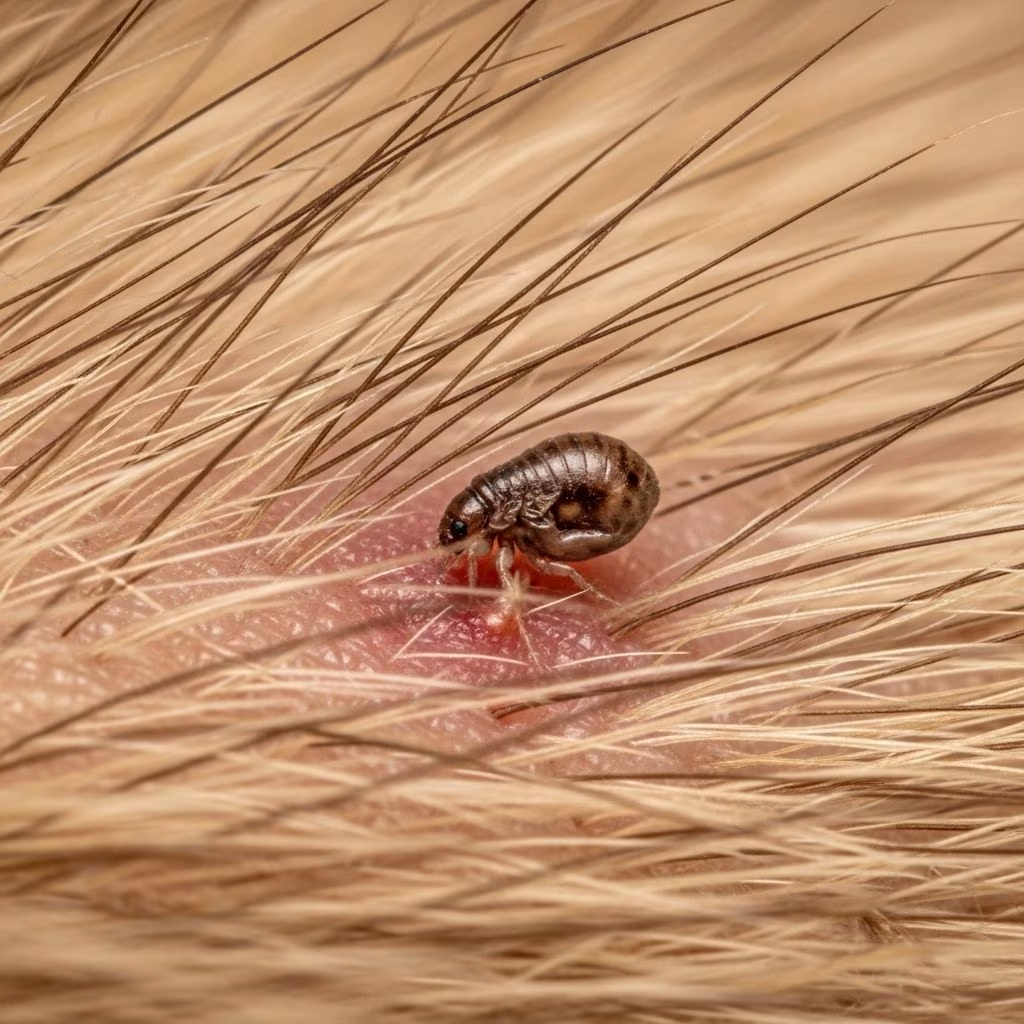
Sand fleas pose a unique challenge for dogs enjoying coastal areas, as these tiny crustaceans latch onto skin and fur, causing irritation and potential infections. Unlike common fleas, sand fleas are marine amphipods that require specific removal and treatment approaches to ensure pet comfort and health.
Understanding Sand Fleas and Their Impact on Canines
Sand fleas, often called beach fleas or sand hoppers, thrive in moist sandy environments like beaches and marshes. They differ from typical dog fleas, which are insects; sand fleas are small crustaceans with translucent bodies that cling tightly to hosts. When dogs romp in infested areas, these pests embed in paws, ears, belly, and groin, leading to intense itching and red welts.
Primary concerns include secondary bacterial infections from excessive scratching and rare cases of tungiasis, where fleas burrow into skin, though uncommon in North America. Dogs may show restlessness, paw licking, or hair loss at bite sites. Early detection prevents escalation, especially since untreated bites can swell and inflame.
Spotting Signs of Sand Flea Infestation
Observe your dog post-beach visits for these indicators:
- Red, inflamed bumps clustered on paws, between toes, or underbelly.
- Intense scratching or chewing at affected areas.
- Visible tiny, clear or pearl-like critters in fur, especially when magnified.
- Lethargy or avoidance of sandy play due to discomfort.
- Mild fever or scabbing if infection sets in.
Use a flea comb under good light to check; sand fleas grip firmly and may require tweezers for confirmation. Differentiate from regular fleas by their crustacean appearance and salty habitat preference.
Immediate Steps for Bite Relief
Act quickly to soothe irritation:
- Cleanse gently: Rinse bites with cool water or 0.05% chlorhexidine solution to remove debris and reduce bacteria risk.
- Apply cold therapy: Use ice packs wrapped in cloth for 10-15 minutes to curb swelling and numb itch.
- Natural soothers: Dab pure aloe vera gel or cooled black tea compresses for anti-inflammatory effects; ensure dog doesn’t ingest tea.
- Vinegar wipe: Mix equal parts apple cider vinegar and water, apply sparingly to itchy spots for pH balancing.
Avoid human antihistamines without vet approval, as dosages vary by dog size. Monitor for 48 hours; worsening signs warrant professional care.
Safe Removal Techniques for Sand Fleas
Manual extraction is key, as these fleas resist shampoos meant for insects:
- Wear gloves; restrain dog calmly with a helper.
- Part fur, grasp flea base with fine tweezers; pull steadily without twisting.
- Drop into soapy water or rubbing alcohol jar to drown.
- Bathe dog in lukewarm water with mild flea shampoo post-removal; focus on paws.
- Disinfect skin with antiseptic; dry thoroughly.
For heavy infestations, vets may use magnification and tools for complete clearance. Home salt sprinkling on fabrics dehydrates stragglers, but vacuum after 24 hours.
Veterinary Interventions and When to Seek Help
Consult a vet if bites number over 10, pus appears, or dog limps. Professionals may prescribe:
- Medicated dips or oral antibiotics for infections.
- Corticosteroid creams for severe inflammation.
- Sedation for thorough plucking in wiggly patients.
Post-treatment, follow-up checks ensure no reinfestation. Vets tailor plans based on exposure history.
Proven Preventive Products for Sand Fly and Flea Protection
Topical insecticides significantly cut sand fly feeding and survival, vital against leishmaniasis vectors. Key options include:
| Active Ingredient | Application | Onset | Duration |
|---|---|---|---|
| Deltamethrin | Collar (40 mg/g) | 7 days | 1 year |
| Flumethrin + Imidacloprid | Collar (56 mg/g) | Unknown | 8 months |
| Permethrin | Spot-on (47.6 mg/kg) | 24-48 hours | 2-4 weeks |
| Permethrin combos (with fipronil, etc.) | Spot-on | 24-48 hours | 3-4 weeks |
Deltamethrin collars reduce bloodfed fly survival by 86%, per studies. Apply year-round in endemic zones or before trips. Rotate products to avoid resistance; combine with environmental controls.
Environmental Controls Around Home and Beach
Minimize exposure:
- Rake beacheside debris; avoid damp leaf piles.
- Mow lawns short; eliminate standing water.
- Use pet-safe traps: Mix hot water, apple cider vinegar, dish soap near lights to drown fleas.
- Wash bedding weekly in hot water; vacuum carpets daily during outbreaks.
- Limit twilight walks when sand flies peak.
For yards, professional perimeter treatments target breeding sites without harming pets.
Health Risks Beyond Itching: Diseases Linked to Sand Fleas
Bites transmit leishmaniosis in tropics, causing skin lesions, organ damage. Preventive collars slash transmission in reservoirs like dogs. Secondary infections from scratching mimic allergies; biopsy confirms parasites if chronic. Water animals suffer worst, but dogs recover fully with prompt care.
FAQs on Sand Flea Management
Can sand fleas kill dogs?
Rarely directly, but untreated tungiasis or infections can lead to sepsis. Prompt removal prevents fatality.
Are over-the-counter flea products effective?
Insect-based ones like permethrin work; crustacean-specific dips excel. Vet-recommended first.
How long do bites last?
3-7 days with treatment; up to two weeks untreated.
Prevent for frequent beach dogs?
Monthly spot-ons plus collars; rinse paws post-play.
Safe for puppies?
Use age-appropriate products; consult vet for under 12 weeks.
Long-Term Care Strategies
Integrate monthly preventives, routine grooming, and post-outing inspections. Track regional outbreaks via apps. Healthy skin via omega-3 diets bolsters resistance. Annual vet checkups catch subclinical issues early, ensuring joyful, itch-free adventures.
References
- Sand Flea Bites on Dogs — Whole Dog Journal. 2023. https://www.whole-dog-journal.com/care/sand-flea-bites/
- Topical insecticide treatments to protect dogs from sand fly vectors of leishmaniasis — PMC (PubMed Central). 2009-01-26. https://pmc.ncbi.nlm.nih.gov/articles/PMC2631889/
- Can Dogs Get Sand Fleas? — WagWalking. 2023. https://wagwalking.com/wellness/can-dogs-get-sand-fleas
- Leishmaniosis in Dogs — MSD Veterinary Manual. 2024. https://www.msdvetmanual.com/infectious-diseases/leishmaniosis/leishmaniosis-in-dogs
- How to Get Rid of Sand Fleas — A-Z Animals. 2023. https://a-z-animals.com/blog/how-to-get-rid-of-sand-fleas/
- Fleas and Ticks — ASPCA. 2024. https://www.aspca.org/pet-care/general-pet-care/fleas-and-ticks
- Insecticides With Anti–Sand Fly Efficacy — Merck Veterinary Manual. 2024. https://www.merckvetmanual.com/multimedia/table/insecticides-with-antisand-fly-efficacy



