

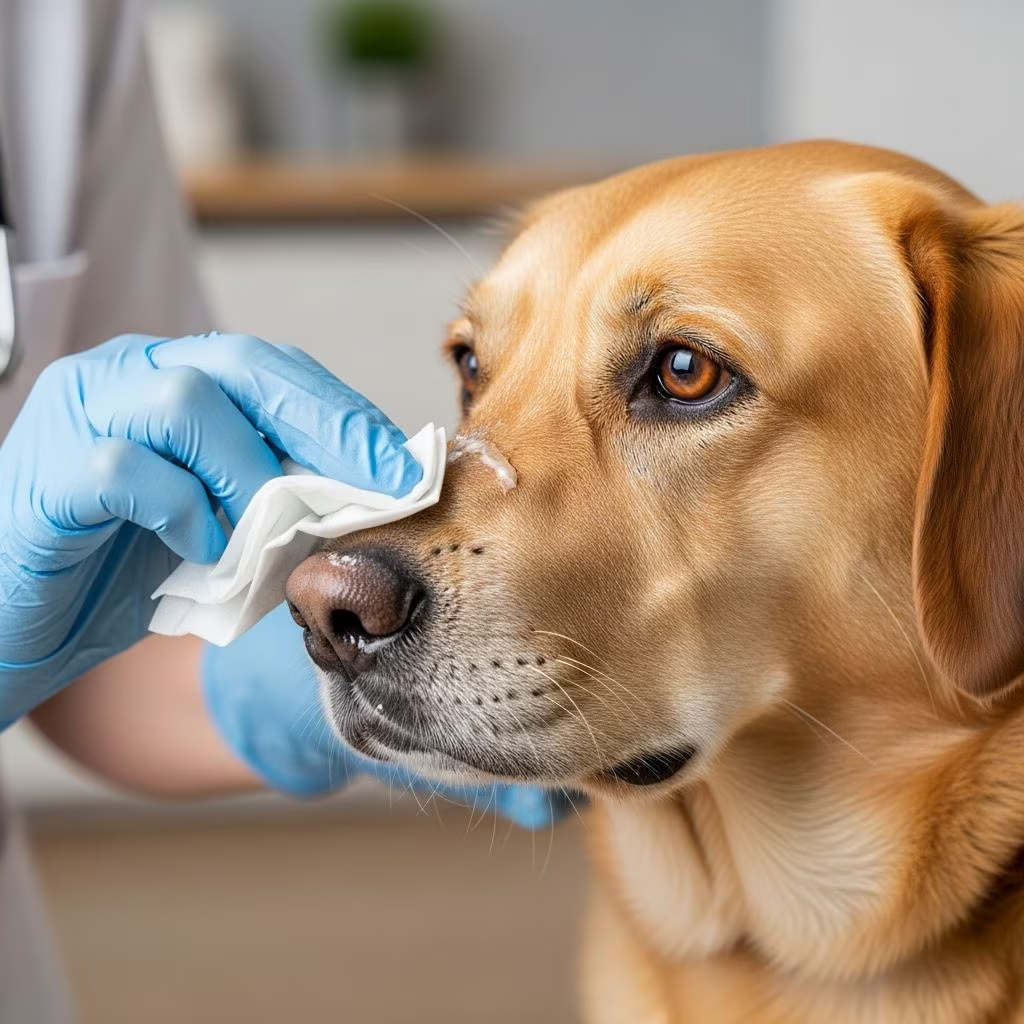
A runny nose in dogs, characterized by nasal discharge, can signal various underlying issues from mild irritations to serious conditions. Understanding the distinction between clear discharge and thicker, colored mucus is crucial for timely intervention. This guide covers common triggers, diagnostic approaches, treatment options, and preventive measures to help your canine companion breathe comfortably.
Recognizing Symptoms of Nasal Discharge
Dogs exhibit nasal discharge through dripping from one or both nostrils, often accompanied by sneezing, pawing at the face, or excessive nose licking. Clear fluid typically points to allergies or irritants, while yellow, green, or bloody mucus suggests infection or injury. Additional signs like coughing, lethargy, fever, or appetite loss warrant immediate veterinary attention.
- Clear discharge: Often allergy-related, with watery eyes or itching.
- Thick or colored discharge: Indicates bacterial, viral, or fungal involvement.
- One-sided drip: May signal foreign objects or tumors.
- Bloody discharge: Could stem from trauma, clotting issues, or toxins.
Primary Causes Behind Canine Nasal Issues
Several factors contribute to runny noses in dogs, ranging from environmental to pathological. Identifying the root cause through observation and professional evaluation ensures targeted relief.
Environmental Allergies and Irritants
Allergies to pollen, dust mites, mold, or smoke frequently provoke clear nasal discharge, sneezing, and eye watering, especially seasonally. Household chemicals, perfumes, and cigarette smoke act as irritants, inflaming sensitive nasal passages. Dogs with these reactions may also scratch excessively or develop ear infections.
Respiratory Infections
Viral ailments like canine influenza or kennel cough, alongside bacterial invasions, produce thick mucus, coughing, and fatigue. Distemper, a severe viral disease, often includes nasal symptoms. These infections spread easily in group settings like parks or boarding facilities.
Foreign Bodies and Parasites
Grass seeds, foxtails, or nasal mites can lodge in nasal passages, causing unilateral discharge, violent sneezing, and pawing. These obstructions demand prompt removal to prevent secondary infections.
Dental and Structural Problems
Advanced periodontal disease creates fistulas allowing oral bacteria into the nose, leading to foul-smelling discharge. Congenital cleft palates in puppies permit food and saliva leakage, mimicking a runny nose.
Serious Conditions: Tumors and Bleeding Disorders
Nasal polyps, tumors, or clotting disruptions from rodenticides or tick-borne diseases cause persistent or bloody discharge. Older dogs face higher tumor risks, necessitating imaging for confirmation.
When to Seek Veterinary Care
Not all runny noses require a vet visit, but persistence beyond 48 hours, worsening symptoms, or colored/bloody discharge demands professional assessment. Accompanying fever, breathing difficulty, or neurological signs like seizures signal emergencies.
| Symptom | Monitor at Home | See Vet Immediately |
|---|---|---|
| Clear discharge | Yes, if mild | No, unless persistent |
| Colored mucus | No | Yes |
| Sneezing + lethargy | No | Yes |
| Bloody nose | No | Yes, emergency |
Diagnostic Approaches for Accurate Identification
Veterinarians start with a physical exam and history review, probing travel, diet, and exposures. Rhinoscopy visualizes nasal cavities, while cytology examines discharge samples for cells or parasites. Blood tests detect infections or clotting issues, and imaging like X-rays or CT scans reveal tumors or foreign bodies. Biopsies confirm growths.
Treatment Strategies Tailored to the Cause
Treatments vary by diagnosis, focusing on symptom relief and root resolution.
- Allergies: Antihistamines, steroids, or immunotherapy; eliminate triggers.
- Infections: Antibiotics for bacteria, antifungals for fungi; supportive fluids for viruses.
- Foreign objects: Sedation-assisted removal or flushing.
- Dental issues: Extractions, cleanings, or surgery.
- Tumors: Radiation, chemotherapy, or palliative care.
For severe cases, hospitalization provides oxygen, IV fluids, and monitoring.
Home Care Tips for Supportive Relief
Complement vet care with gentle measures: Use a humidifier to loosen mucus, wipe nostrils with damp cloths, ensure hydration, and offer soft foods. Avoid irritants like smoke or strong cleaners. Steamy bathroom sessions mimic natural decongestion.
Daily Routine Checklist
- Humidify air during dry seasons.
- Clean nose gently twice daily.
- Provide constant fresh water.
- Switch to hypoallergenic bedding.
- Monitor symptoms in a journal.
Preventive Measures for Long-Term Nasal Health
Minimize risks through vaccinations against distemper and influenza, flea/tick preventives, and allergy testing. Regular dental checkups, grass-free play areas, and air purifiers reduce exposures. Annual wellness exams catch issues early.
Frequently Asked Questions (FAQs)
What does clear nasal discharge mean in dogs?
Typically allergies or irritants; monitor for changes.
Can a runny nose be a sign of something serious?
Yes, like infections, tumors, or poisoning—consult a vet if persistent.
Are home remedies safe for dog runny noses?
Supportive only; never skip professional diagnosis.
How long should I wait before seeing a vet?
48 hours for mild cases; immediately for colored discharge.
Do puppies get runny noses differently?
Yes, cleft palates or infections are common; early vet check essential.
Nutritional Support for Respiratory Wellness
Diets rich in omega-3s and antioxidants bolster immunity, potentially easing allergy symptoms. Probiotics aid gut health, indirectly supporting respiratory function. Consult vets for prescription options like hydrolyzed protein formulas.
In summary, a dog’s runny nose merits attentive care. By discerning symptoms, pursuing diagnostics, and applying treatments, owners safeguard their pets’ vitality. Proactive habits prevent recurrences, promoting joyful, sniff-filled lives.
References
- Runny Nose in Dogs: Causes, Treatments, and More — Bond Vet. 2023. https://bondvet.com/blog/runny-nose-in-dogs
- Understanding & Treating Runny Noses in Dogs — Best Friends Vet. 2024. https://bestfriendsvet.org/blog/dog-runny-noses/
- What You Should Do if Your Dog Has a Runny Nose — Bottle Tree Animal Hospital. 2023. https://bottletreeanimalhospital.com/blog/dog-has-a-runny-nose/
- Dog Runny Nose: Possible Causes for a Runny Nose — Providence Vet Hospital. 2024. https://providencevethospital.com/blog/dog-runny-nose/
- Runny nose in dogs | Health A-Z — Joii Pet Care. 2023. https://www.joiipetcare.com/blogs/health-symptoms/runny-nose-in-dogs
- Why Is My Dog’s Nose Runny? Causes and Treatment — GoodRx. 2024. https://www.goodrx.com/pet-health/dog/runny-nose



