

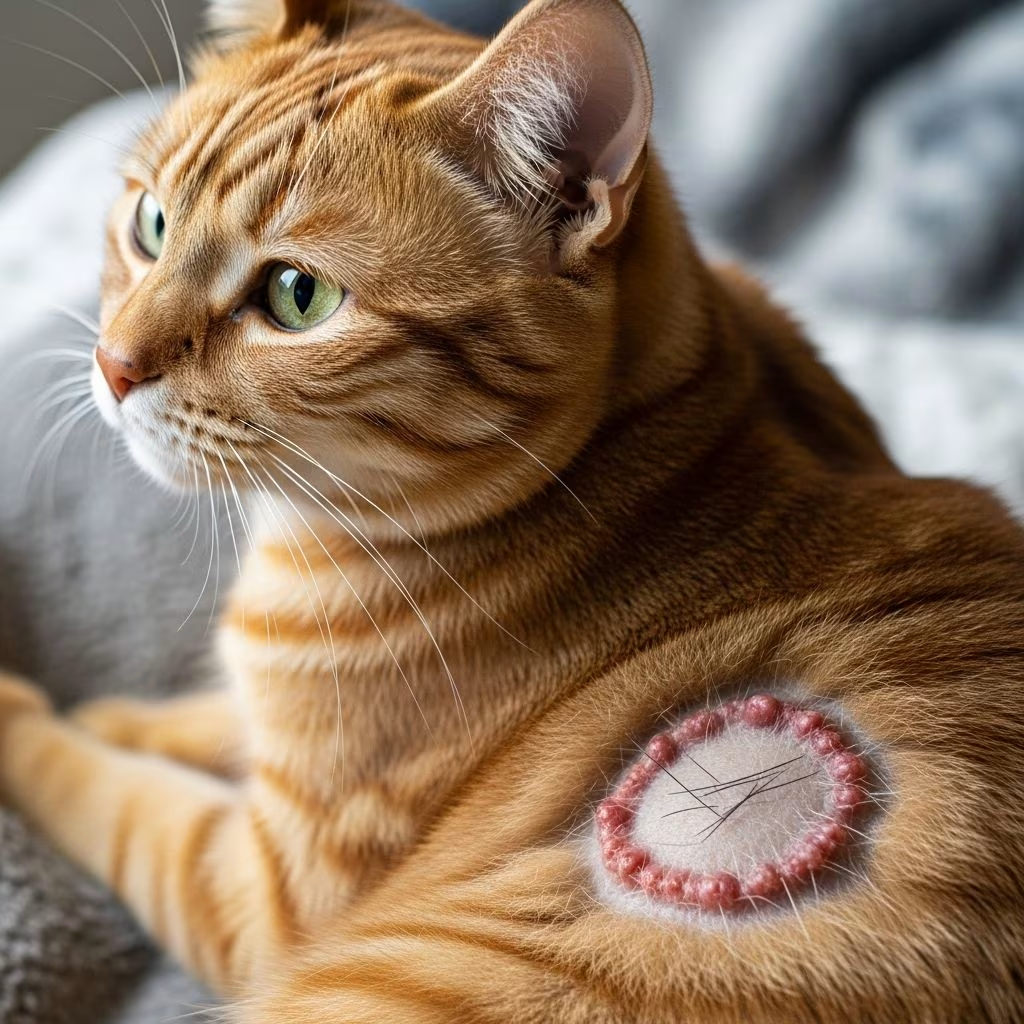
Ringworm, a common fungal infection known scientifically as dermatophytosis, affects cats by causing circular patches of hair loss, scaling, and sometimes itching. Caused primarily by Microsporum canis, it spreads through contaminated environments, direct contact, or infected spores on fur. Effective management requires a multifaceted approach combining diagnostics, medications, hygiene, and monitoring to eliminate the fungus and prevent recurrence.
Understanding the Nature of Feline Ringworm
This superficial skin infection invades the hair shafts and follicles, leading to brittle fur and skin changes. Cats of all ages can contract it, but kittens, long-haired breeds, and immunocompromised individuals face higher risks. Spores persist in the environment for up to 18 months, making thorough decontamination essential. Unlike true worms, ringworm is highly contagious to other pets and humans, particularly children and those with weakened immunity.
Symptoms often appear as asymmetrical bald spots with broken hairs, red inflamed skin, or crusty lesions, commonly on the head, ears, or limbs. Some cats show no visible signs yet shed infectious spores, underscoring the need for lab confirmation. Early detection prevents widespread outbreaks in multi-cat homes or shelters.
Accurate Diagnosis: The First Step to Recovery
Visual inspection alone is unreliable due to similar-looking conditions like allergies or mites. Reliable diagnostics include:
- Wood’s Lamp Examination: Ultraviolet light reveals glowing green fluorescence in about 50-60% of Microsporum canis cases, serving as a quick screen.
- Fungal Cultures (DTM): Gold standard; hairs are cultured on dermatophyte test medium, turning red with growth in 7-14 days.
- Trichograms and PCR: Microscopic hair exams or DNA tests provide rapid results for confirmation.
Collect samples from lesion edges using sterile techniques, avoiding clinic clipping to prevent contamination. Serial cultures every 1-3 weeks post-treatment verify clearance—two negative results spaced apart confirm recovery.
Core Treatment Strategies: Systemic and Topical Combined
Single-modality treatment fails in most cases; success rates soar with oral antifungals paired with whole-body topicals and cleaning. Treatment duration typically spans 4-10 weeks or until cultures clear.
Oral Antifungal Medications
Systemic drugs target fungus deep in follicles. Preferred options:
| Drug | Dosage | Notes |
|---|---|---|
| Itraconazole (e.g., Itrafungol) | 5-10 mg/kg daily or pulse (1 week on/off for 3-5 cycles) | Licensed for cats; superior efficacy, give with food; safe for kittens >0.5 lbs. |
| Terbinafine | 30-40 mg/kg daily or pulse | Cost-effective; persists in hair; occasional vomiting. |
Avoid compounded itraconazole due to poor bioavailability; commercial formulations ensure results. Monitor liver function in prolonged cases.
Topical Therapies for Surface Control
Applied 2x weekly, these reduce spore shedding:
- Lime Sulfur Dips (1:16-1:32 dilution): Highly effective with residual action; apply full-body, rinse optional; odor fades quickly.
- Enilconazole (0.2% solution): Rinse twice weekly; excellent for groups.
- Miconazole/Chlorhexidine Shampoos: Lather 3-5 min contact time; safe for faces with cotton.
Clip localized lesions at home, dispose fur safely. For fosters, shelter dips aid compliance.
Environmental Decontamination: Breaking the Cycle
Infected cats shed millions of spores daily; vacuuming spreads them further. Protocols:
- Remove all bedding, toys; seal in bags as infectious waste.
- Vacuum daily with HEPA filters; dispose bags immediately.
- Wipe non-porous surfaces with accelerated hydrogen peroxide or bleach (1:10); 10-min contact.
- Disinfect with Trichophyton-effective products like Anigene (1:50, 30-min dwell); rinse after.
- Launder fabrics hot (>140°F); repeat 5 days.
UV lights or steam cleaners aid, but chemicals are primary. Isolate treated cats until clear.
Tailoring Treatment for Special Cases
Kittens and Pregnant Queens
Itraconazole safe from 0.5 lbs; terbinafine viable. Twice-weekly topicals minimize orals. Monitor closely; cultures guide duration.
Shelter and Multi-Cat Scenarios
Treat all contacts; cohort housing with rigorous protocols. Pulse therapy cuts costs.
Persistent or Resistant Infections
Reevaluate cultures; extend treatment or switch drugs. Ensure compliance; add daily focal creams.
Monitoring Progress and Confirming Cure
Lesions may resolve before spores die—rely on cultures starting week 2-3, pre-topical. Negative results 1-3 weeks apart = cleared. Hair regrowth follows.
- Weekly exams for new lesions.
- Track shedding via toothbrush cultures.
- Retest non-responders at 4 weeks.
Prevention: Safeguarding Your Home and Cats
- Quarantine new cats 2-3 weeks; screen with cultures.
- Maintain grooming; short hair reduces risk.
- Avoid strays/raw diets; wash hands post-handling.
- No vaccines available.
Annual vet checks for at-risk cats. Educate households on zoonosis.
Frequently Asked Questions (FAQs)
Can ringworm resolve without treatment?
Possibly in mild cases, but risks prolonged shedding and spread; treatment accelerates cure.
Is lime sulfur safe for kittens?
Yes, diluted properly; wear gloves, dry promptly to avoid chills.
How long is a cat contagious?
Until two negative cultures; typically 4-6 weeks with protocol.
Can humans catch it from cats?
Yes; heal spontaneously but treat promptly.
What if treatment fails?
Consult vet for cultures, drug switch, or immunity tests.
Potential Complications and When to See a Vet
Secondary bacteria, hypersensitivity, or systemic spread in sick cats warrant immediate care. Anorexia or lethargy signals issues.
References
- Ringworm Management Playbook — Best Friends Animal Society. 2023. https://bestfriends.org/network/resources-tools/ringworm-management-playbook
- GUIDELINE for Dermatophytosis, ringworm in cats — ABCD cats & vets. 2022. https://www.abcdcatsvets.org/guideline-for-dermatophytosis-ringworm-in-cats/
- Foster Home Based Ringworm Treatment Protocol for Cats – SAMPLE — ASPCA. 2024-01. https://www.aspcapro.org/sites/default/files/2024-01/aspca-ringworm-treatment-foster-sop.pdf
- Cats Protection’s guide to ringworm procedures — Cats Protection. 2023. https://www.cats.org.uk/media/10808/ringworm-procedure.pdf
- Ringworm (Dermatophytosis) in Cats — Merck Veterinary Manual. 2025. https://www.merckvetmanual.com/cat-owners/skin-disorders-of-cats/ringworm-dermatophytosis-in-cats
- Ringworm and Pets — California Department of Public Health (CDPH). 2024. https://www.cdph.ca.gov/Programs/CID/DCDC/Pages/Ringworm.aspx



