Managing Resource Guarding in Dogs
Discover effective strategies to understand, prevent, and resolve resource guarding behaviors in your canine companion for a safer home.
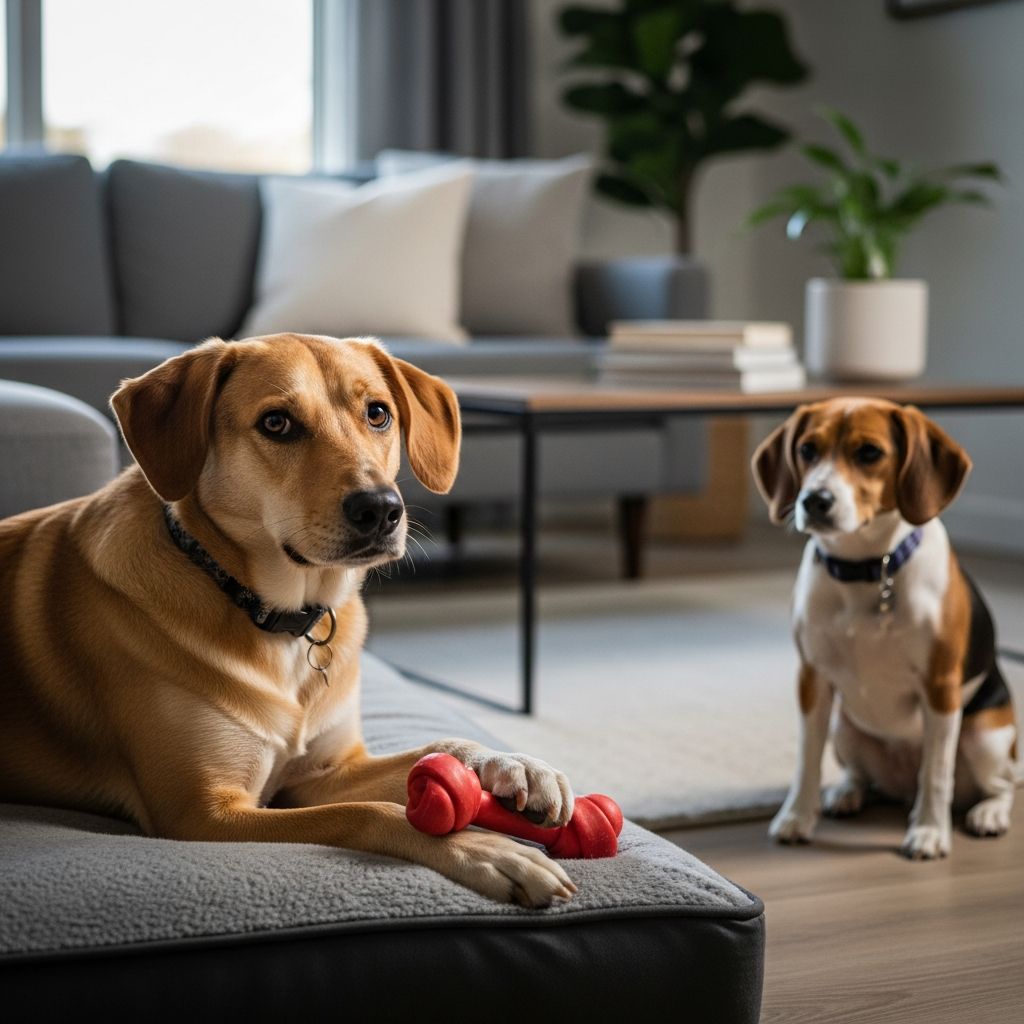
Resource guarding occurs when dogs display protective or aggressive behaviors over items they value, such as food, toys, or personal space, to prevent perceived threats from taking them away. This instinctive response, rooted in survival mechanisms, can escalate into serious safety issues if not addressed properly.
Recognizing the Signs of Resource Guarding
Early identification of resource guarding helps prevent bites or conflicts. Dogs may stiffen their body, growl, snap, or bite when someone approaches their prized possession. Subtle cues include eating faster, hiding items, or blocking access to areas like beds or crates.
- Body language indicators: Raised hackles, hard stare, lip curling, or whale-eye (whites of eyes visible).
- Auditory signals: Low growls escalating to barks or snarls.
- Physical actions: Lunging, snapping without contact, or full bites in severe cases.
These behaviors often intensify around high-value items. Distinguish true guarding from play or fear-based reactivity, especially on leashes where dogs might lunge at passersby due to anxiety rather than possession protection.
Common Triggers and Causes
Several factors contribute to resource guarding, blending instinct, environment, and learning. Genetics play a role, with certain breeds showing predispositions, though any dog can develop it.
| Cause | Description | Examples |
|---|---|---|
| Fear/Anxiety | Dogs guard due to past experiences of loss or uncertainty. | Previous homes with scarcity; confrontational handling. |
| Competition | Rivalry in litters or multi-pet homes fosters possessiveness. | Littermates fighting over food; household dogs vying for toys. |
| Learned Success | Previous aggression worked to deter approaches. | Growling scared away thieves of chews. |
| Stress Factors | External pressures amplify guarding. | Visitors, fireworks, unmet needs like exercise. |
| Inherent Value | Items critical for survival rank highest. | Food over toys; owner attention in multi-dog setups. |
Unmet physical or mental needs, like insufficient exercise or enrichment, heighten guarding tendencies. Inconsistent routines exacerbate anxiety, making dogs feel out of control.
Prevention Strategies for Puppies and New Dogs
Proactive measures from an early age build positive associations. Provide abundant resources to eliminate scarcity mindsets—multiple bowls, toys, and rest spots reduce competition.
- Implement a trade-up system: Offer higher-value treats for relinquishing items, teaching that giving up leads to better rewards.
- Ensure ample socialization: Expose puppies to varied scenarios without resource pressure.
- Maintain consistent household rules: All family members follow the same approach to avoid confusion.
Start basic commands like “leave it” and “drop it” using positive reinforcement. Practice in low-stakes settings to build reliability.
Step-by-Step Training Techniques
For existing guarding, use desensitization and counterconditioning (DS/CC) to rewire emotional responses. This changes fear to anticipation of good outcomes.
- Management First: Prevent incidents by separating dogs during meals or removing triggers temporarily.
- DS/CC Protocol: Approach at a distance where the dog remains calm, then reward heavily. Gradually decrease distance over sessions.
- ASPCA Food Guarding Stages: Begin far from the bowl, toss treats while saying a neutral phrase. Progress to closer proximity and hand-feeding.
- Command Integration: Pair “drop it” with trades, never forcing removal.
Progress slowly; rushing can worsen fear. Sessions should be short, positive, and supervised by a professional for safety.
Handling Multi-Dog Households
Competition peaks with multiple pets. Feed separately in crates or different rooms. Teach approaching dogs to wait or retreat rather than steal.
- Supervise interactions around shared items.
- Rotate high-value toys to prevent fixation.
- Train each dog individually before group settings.
Owners sometimes misinterpret owner-guarding as affection; it’s often anxiety. Address by ensuring equal attention and space.
Safety Measures and When to Seek Help
Never punish guarding—it increases fear and aggression. Use muzzles during training if bites risk exists. If behaviors persist or involve bites, consult a certified animal behaviorist or veterinary behaviorist immediately.
Red flags: Escalating intensity, guarding low-value items, or human-directed aggression. Professional intervention prevents injury.
FAQs
Is resource guarding the same as food aggression?
No, food aggression is a subset. Resource guarding covers toys, space, or people too.
Can all dogs be trained out of guarding?
Most improve with consistent effort, but severe cases need expert help. Genetics influence but don’t doom outcomes.
How long does training take?
Weeks to months, depending on severity and consistency. Patience is key.
Should I take items away forcefully?
Never—it reinforces guarding. Always trade positively.
Does neutering help?
It may reduce some aggression but doesn’t directly fix resource guarding.
By understanding triggers and applying structured training, owners can foster secure, trusting relationships with their dogs. Consistent, compassionate methods yield lasting improvements.
References
- Why Resource Guarding in Dogs Is a Problem & What to Do About It — Cincinnati Family Vet. 2023-05-15. https://www.cincinnatifamilyvet.com/services/dogs/blog/why-resource-guarding-dogs-problem-what-do-about-it
- How to Prevent Resource Guarding in a Multiple-dog Household — Clicker Training. 2022-11-10. https://clickertraining.com/how-to-prevent-resource-guarding-in-a-multiple-dog-household/
- Resource Guarding in Dogs: What to Do and NOT Do — Preventive Vet. 2024-08-20. https://www.preventivevet.com/dogs/resource-guarding-in-dogs
- Food Guarding — ASPCA. 2023-02-14. https://www.aspca.org/pet-care/dog-care/common-dog-behavior-issues/food-guarding
- Resource Guarding in Dogs — PetMD. 2024-01-05. https://www.petmd.com/dog/behavior/resource-guarding-dogs
- Resource Guarding in Dogs: Causes and Solutions — Purina. 2023-09-12. https://www.purina.com/articles/dog/behavior/training/resource-guarding-in-dogs
- Resource Guarding in Dogs — American Kennel Club. 2024-03-28. https://www.akc.org/expert-advice/training/resource-guarding-in-dogs/
Similar Articles








Read full bio of Sneha Tete