

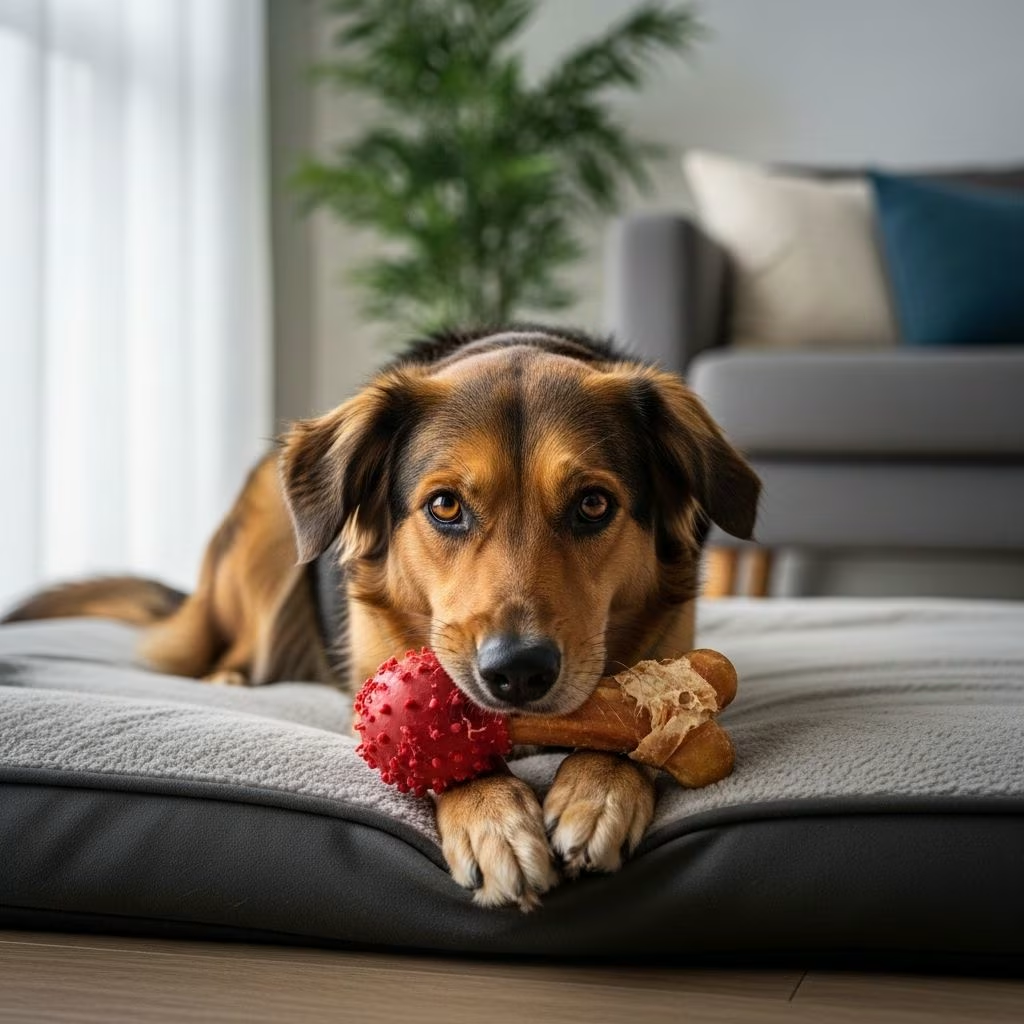
Resource guarding occurs when dogs protect items they value, such as food, toys, or spaces, through behaviors ranging from stiffening to growling or snapping. This instinctual response stems from survival drives but can create challenges in modern homes, especially with multiple pets or children.
Understanding the Instinct Behind Resource Guarding
Dogs naturally guard resources to ensure their survival, a trait inherited from wild ancestors who competed for limited food and shelter. In domestic settings, this manifests when a dog perceives a threat to bones, meals, beds, or even owners. Not all dogs exhibit this behavior equally; factors like breed genetics play a role, with some lines more prone due to herding or territorial histories.
Environmental influences amplify the issue. Puppies from litters with high competition or those experiencing food scarcity early on may develop stronger guarding tendencies. Stressful changes, such as new household members or routine disruptions, can heighten anxiety, making dogs more possessive. Medical conditions like pain from arthritis or nutritional gaps can also contribute, prompting dogs to defend resources more aggressively.
Recognizing Early Warning Signs
Early detection prevents escalation. Subtle cues include freezing body posture, hard staring, or lip licking when approached. More overt signals are stiffening over an item, eating faster upon sensing company, or rapidly relocating toys to safer spots.
- Body language shifts: Ears back, tail rigid, whale eye (whites showing).
- Vocalizations: Low growls or snappy barks.
- Physical actions: Paw over item, snapping, or lunging.
In multi-dog homes, watch for one dog hovering near another’s space or resource. Owners sometimes misinterpret leash reactivity as guarding, but true cases involve clear possession of a valued item.
Why Resource Guarding Poses Risks
For dogs, chronic guarding leads to sustained stress, potentially causing health issues like gastrointestinal problems, hair loss, or weakened immunity. It strains bonds with owners and other pets, complicating training and daily care like medicating or grooming.
Humans face bite risks, particularly children who miss warnings and approach impulsively. In severe cases, guarding counters, dropped food, or family members makes coexistence unsafe. Multi-pet households see heightened tension, risking fights.
| Impact Area | Dog Effects | Human/Pet Effects |
|---|---|---|
| Health | Chronic stress, anxiety | Bite injuries |
| Relationships | Isolation from pack | Fear, household tension |
| Daily Life | Handling difficulties | Training barriers |
Prevention Strategies for Puppies and Adults
Proactive steps build positive associations. For puppies, teach trading: offer superior treats for relinquishing items, fostering trust that giving up resources yields better rewards. Avoid outdated methods like hand-in-bowl intrusions, which erode confidence.
Ensure abundance: Provide ample food, water, toys, and rest areas to reduce competition feelings. In multi-dog setups, feed separately using crates or gates. Gradually expose dogs to approaches during meals by tossing treats, pairing people with positivity.
Management Techniques for Current Guarders
First, identify triggers: List items, locations, or scenarios sparking reactions, then restrict access via management tools like baby gates, pens, or separate rooms. Never punish; it heightens fear and worsens aggression.
Desensitization and counterconditioning (DS/CC) form the core. Start at safe distances with low-value items: Approach slowly, reward calm with treats, retreating if tension rises. Gradually close distance and upgrade item value, keeping dogs below threshold.
- Observe threshold: Note distance where calm persists.
- Pair approach with rewards for both dogs.
- Progress slowly; regress if needed.
- Practice in varied contexts like couches or yards.
Teach cues like “drop it” or “leave it” via positive reinforcement, never forcing items away. Strengthen inter-dog bonds through shared non-competitive activities.
Handling Multi-Dog Household Dynamics
Competition thrives in groups. Separate during high-value times, using crates for meals. Monitor introductions of new toys, rewarding peaceful interactions. If one dog guards persistently, professional intervention ensures safety.
Shared positive experiences, like parallel walks without resources, build rapport without triggers.
Professional Help and When to Seek It
Consult certified trainers or behaviorists for severe cases, especially with bites or child involvement. They tailor DS/CC plans and rule out medical issues. Avoid dominance-based trainers; opt for force-free, science-backed methods.
Common Myths and Facts
| Myth | Fact |
|---|---|
| Punishment fixes it | Increases fear, risks bites |
| All strays guard | History varies; many don’t |
| Can’t be managed | DS/CC works with consistency |
Frequently Asked Questions (FAQs)
Is resource guarding dangerous?
Yes, it can lead to bites, especially around kids or food. Management reduces risks.
Can puppies outgrow it?
Early prevention helps, but genetics and experiences influence persistence.
What if my dog guards me?
Often space guarding; train separation and cues with pros.
How long until improvement?
Weeks to months with daily sessions; patience key.
Multiple dogs: Separate forever?
No, train gradually for peaceful coexistence.
Long-Term Success Tips
Consistency across household members prevents mixed signals. Track progress in a journal, celebrating small wins. Maintain enrichment to keep stress low, ensuring a balanced life. Regular vet checks address pain-related triggers. With dedication, most dogs improve, fostering secure homes.
References
- How to Prevent Resource Guarding in a Multiple-dog Household — Clicker Training. 2023. https://clickertraining.com/how-to-prevent-resource-guarding-in-a-multiple-dog-household/
- Resource Guarding in Dogs: Why It Happens and How To Stop It — Chewy. 2024-01-15. https://www.chewy.com/education/dog/training-and-behavior/resource-guarding-in-dogs-why-it-happens-and-how-to-stop-it
- Understanding the Causes of Dog Resource Guarding Behaviour — Animal Wellbeing Centre. 2023-05-20. https://www.animalwellbeingcentre.com/blogs/underlying-causes-of-dog-resource-guarding-behaviour
- Why Resource Guarding in Dogs Is a Problem & What to Do About It — Johnson Animal Clinic. 2024-03-10. https://www.johnsonanimalclinic.com/services/dogs/blog/why-resource-guarding-dogs-problem-what-do-about-it
- Resource Guarding in Dogs: What to Do and NOT Do — Preventive Vet. 2024-02-28. https://www.preventivevet.com/dogs/resource-guarding-in-dogs
- Food Guarding — ASPCA. 2023. https://www.aspca.org/pet-care/dog-care/common-dog-behavior-issues/food-guarding



