

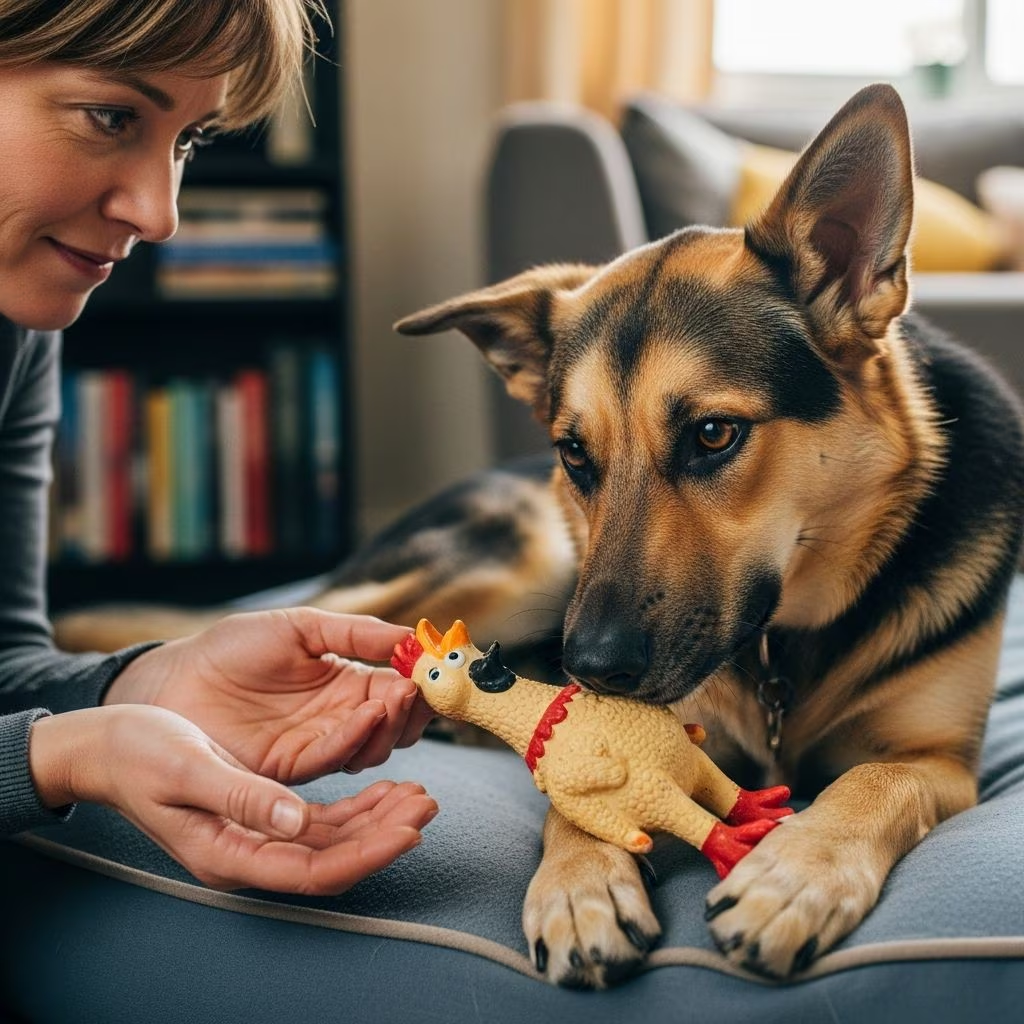
Resource guarding occurs when a dog perceives a threat to items it values, such as food, toys, or resting spots, leading to defensive behaviors like growling or snapping.This natural instinct can escalate into serious issues if not addressed properly.
Recognizing the Signs of Resource Guarding
Dogs exhibit resource guarding through subtle warnings or overt aggression. Early detection allows for timely intervention. Common indicators include stiffening the body, lip lifting, or a hard stare when someone approaches a valued item. These signals communicate discomfort and a need for space.Stiff body posture and whale eye—where the whites of the eyes show—are key visual cues.
- Low growls or rumbling sounds as a person nears.
- Snapping or lunging to create distance.
- Fleeing with the item to a safe spot.
- Blocking access to beds, crates, or owners.
These behaviors stem from an internal conflict between wanting to keep the resource and avoiding confrontation. Ignoring them risks bites, especially around children who may not heed warnings.
Root Causes Behind Guarding Behaviors
Understanding why dogs guard resources is crucial for effective solutions. Multiple factors contribute, often overlapping in complex ways.Fear and past experiences play central roles.
| Cause | Description | Impact |
|---|---|---|
| Fear/Anxiety | Dogs anticipate loss based on prior thefts of items. | Increases stress, leading to chronic health issues. |
| Genetics | Certain breeds show predispositions. | Amplifies guarding in stressful environments. |
| Lack of Socialization | Poor exposure to others heightens threat perception. | Complicates multi-pet homes. |
| Medical Conditions | Pain from arthritis or hunger drives defensiveness. | Requires vet check before training. |
| Learned Success | Previous growls successfully deterred approaches. | Reinforces the behavior over time. |
Resource scarcity in early life, like competitive litters, can ingrain habits. Stressors such as new household members exacerbate it. Unlike dominance myths, guarding reflects anxiety, not hierarchy.
Dangers of Ignoring Resource Guarding
Unchecked guarding harms everyone involved. Dogs suffer elevated cortisol levels, causing gastrointestinal problems, hair loss, and weakened immunity.Owners face bite risks, straining bonds.
In multi-dog homes, fights over toys or space lead to injuries. Children are particularly vulnerable, misinterpreting signals and approaching recklessly. Public outings become challenging if dogs guard from strangers. Long-term, isolation and mistrust develop, eroding companionship.
Financially, vet bills for wounds or behaviorists add up. Prevent escalation by acting early—management alone isn’t enough for lasting change.
Step-by-Step Management Strategies
Begin with safety: Prevent incidents through smart prevention. Identify triggers—list items, locations, or scenarios—and restrict access temporarily.
- Secure the Environment: Feed in crates or separate rooms; store toys out of reach.
- Household Rules: Ensure all family members follow consistent protocols to avoid confusion.
- Health Check: Rule out pain or nutritional gaps with a vet visit.
These steps buy time for training while reducing anxiety.
Building Trust Through Positive Training
Shift your dog’s emotional response from fear to anticipation. Use desensitization—gradual exposure—and counterconditioning—pairing approaches with rewards.Professional guidance ensures safety.
Mastering Drop It and Leave It Commands
Teach “drop it” with low-value toys: Offer a treat trade-up. Progress to higher-value items only when reliable. “Leave it” prevents initial grabs. Reward heavily for compliance, building reliability.
- Start at a distance; toss treats as you near.
- Never force removal—trades foster positivity.
- Practice daily in short sessions.
Desensitization Protocols
Approach slowly from afar with the dog possessing a mild-value item. Stop at the first tension sign, then reward. Gradually close distance over weeks. For food guarding, walk by bowls during meals, dropping treats.
Countercondition by making your presence predict goodies: Say nothing, just deliver value. Track progress in a journal.
Handling Multi-Dog Households
Competition intensifies guarding. Feed separately; rotate toys to avoid fixation. Train approaching dogs to wait calmly. Management prevents rehearsals of bad habits.
Enrich lives with individual exercise and puzzles, reducing overall tension. Monitor play; intervene early on resource fixation.
Common Mistakes to Avoid
Punishment worsens fear, escalating aggression. Devices like sonic tools create anxiety without fixing roots. Rushing desensitization risks setbacks. Consistency is key—mixed signals confuse dogs.
- Don’t punish growls; they prevent bites.
- Avoid staring contests or looming over.
- Never use force to take items.
Long-Term Prevention Tips
From puppyhood, hand-feed meals to associate humans with abundance. Socialize broadly. Provide ample resources—multiple beds, toys. Regular exercise meets needs, curbing irritability.
Monitor stress: New babies or moves? Increase management. Annual behavior checks maintain progress.
FAQs on Resource Guarding
Is resource guarding dominance?
No, it’s fear-based protection, not pack leadership.
Can all dogs be retrained?
Most improve with patience; severe cases may need experts.
How long until improvement?
Weeks to months, depending on consistency and severity.
Should I rehome my guarding dog?
Rarely necessary; training often resolves issues safely.
What if my dog guards me?
Often leash reactivity, not true guarding—consult a pro.
Advanced Techniques for Stubborn Cases
For persistent issues, try hand targeting or marker training. Celebrate small wins with pets and praise. Enrichment like scent games diverts focus. Track body language: Yawns or lip licks signal stress—back off.
Incorporate routines: Predictable schedules build security. Multi-pet dynamics? Role-reverse training teaches tolerance.
Success stories abound: Dogs once snappy now relax around family. Patience yields trusting companions.
References
- Resource Guarding in Dogs — PetMD. 2023. https://www.petmd.com/dog/behavior/resource-guarding-dogs
- Why Resource Guarding in Dogs Is a Problem & What to Do About It — Cincinnati Family Vet. 2024. https://www.cincinnatifamilyvet.com/services/dogs/blog/why-resource-guarding-dogs-problem-what-do-about-it
- Resource Guarding in Dogs: What to Do and NOT Do — Preventive Vet. 2023. https://www.preventivevet.com/dogs/resource-guarding-in-dogs
- How to Prevent Resource Guarding in a Multiple-dog Household — Clicker Training. 2022. https://clickertraining.com/how-to-prevent-resource-guarding-in-a-multiple-dog-household/
- An Easy Way to Stop Resource Guarding in Dogs — Dog Gone Problems. 2023. https://www.doggoneproblems.com/loumi-stop-resource-guarding/
- Food Guarding — ASPCA. 2024. https://www.aspca.org/pet-care/dog-care/common-dog-behavior-issues/food-guarding



