

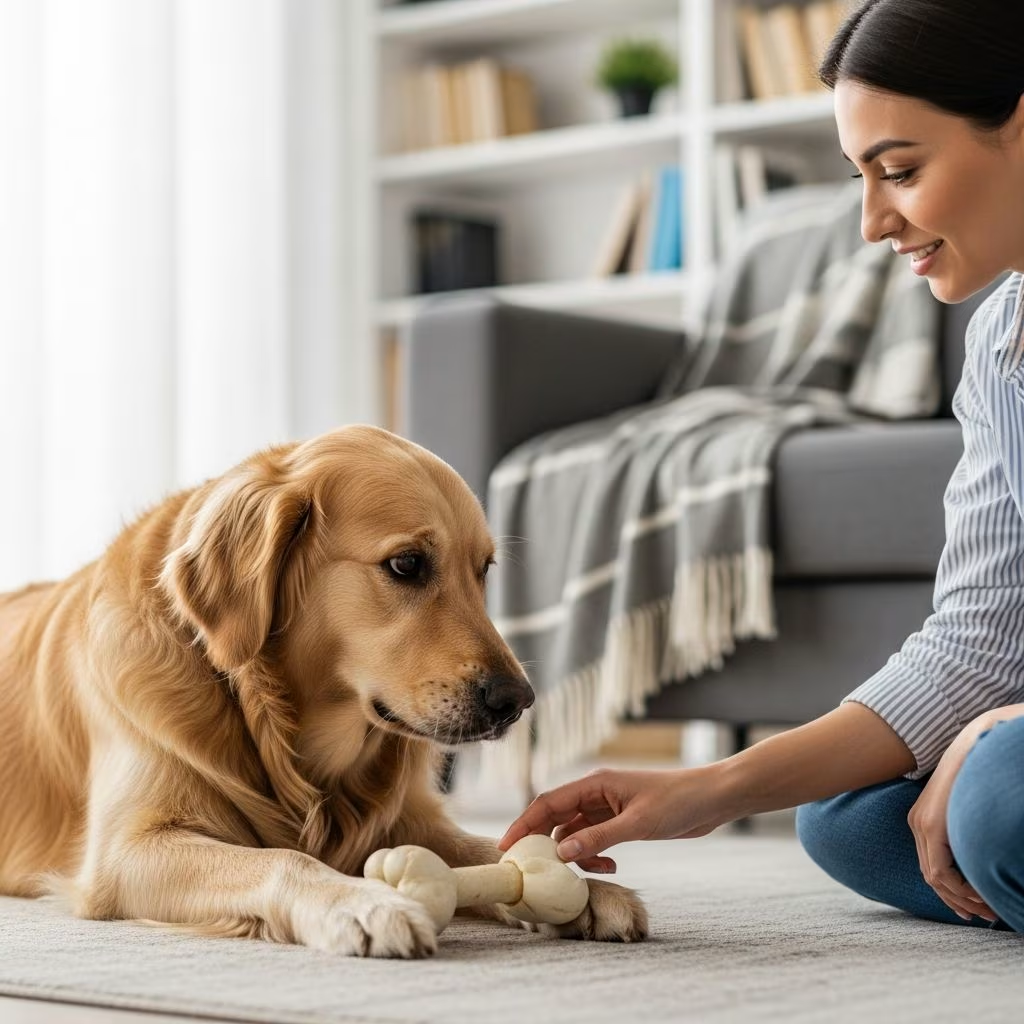
Resource guarding occurs when dogs display protective or aggressive behaviors over items they value, such as food, toys, bones, or even personal spaces like beds. This natural instinct, rooted in survival, can pose safety risks in households, particularly with children or multiple pets present.
Understanding the Roots of Possessive Behavior in Canines
Dogs may guard resources due to underlying fear, anxiety, or past experiences where items were forcibly removed, leading to defensive responses. Factors like inadequate socialization, competition in litters, or medical issues such as pain from arthritis can exacerbate this tendency.
Genetics play a role, with certain breeds showing predispositions, though individual history and environment are more influential. Stress from changes like new household members or unmet needs—such as insufficient exercise or nutrition—can intensify guarding.
Recognizing Warning Signs and Body Language
Early identification prevents escalation. Common signals include stiffening, lip lifting, growling, snapping, or lunging when someone approaches the valued item. Subtle cues like whale-eye (whites of eyes visible), freezing, or avoidance also indicate discomfort.
- Stiff posture or raised hackles: Signals high tension and impending action.
- Low growls or air snaps: Verbal warnings to back off.
- Resource burial or hiding: Attempts to secure items privately.
Distinguish true guarding from other issues like leash reactivity, which mimics protection but stems from fear.
Why Addressing Resource Guarding Matters for Your Dog’s Well-Being
Unchecked guarding leads to chronic stress, straining bonds with owners and other pets, potentially causing health issues like gastrointestinal problems or hair loss. It limits social interactions, making multi-dog homes or public outings challenging.
For families, the risk of bites is significant, especially with unpredictable children who ignore signals. Proactive management fosters trust and security, improving overall quality of life.
Essential First Steps: Safety and Prevention Strategies
Begin with management to avoid rehearsals of bad behavior. Remove access to triggers by confining the dog during meals or using separate spaces.
Establish household rules: Consistent approaches by all family members prevent confusion. Feed dogs in crates or isolated areas initially to reduce stress.
| Trigger Item | Management Tactic | Expected Benefit |
|---|---|---|
| High-value chews or bones | Supervised play only; trade for better items | Reduces solo guarding opportunities |
| Food bowls | Private feeding spots | Lowers anxiety during meals |
| Bed or couch space | Designated pet zones | Minimizes territorial disputes |
| Toys in multi-dog homes | Rotate toys; separate playtimes | Prevents inter-dog conflicts |
Building Positive Associations Through Training
Desensitization and counterconditioning form the core of effective intervention, altering emotional responses from fear to anticipation of rewards.
- Start at a distance: Approach slowly while the dog has the item, tossing treats to associate your presence with positivity.
- Gradual progression: Decrease distance over sessions, rewarding calm behavior without touching the resource yet.
- Incorporate trades: Offer higher-value items for relinquishing the guarded one, never forcing removal.
Practice “drop it” and “leave it” cues using positive reinforcement. Begin with low-value items, marking successes with praise or treats.
Mastering Key Commands for Long-Term Control
Teach “drop it” by presenting a toy, saying the cue as they release it naturally, then rewarding. Advance to exchanging for food rewards.
“Leave it” prevents initial engagement: Hold a treat in one hand, show a less desirable item in the other, rewarding for ignoring it.
Hand targeting builds confidence—touch nose to palm for rewards, useful for gentle item retrievals.
Handling Multi-Dog Households and Special Challenges
In homes with multiple dogs, prevent stealing by feeding separately and teaching approaching dogs to wait. Monitor play to interrupt resource disputes calmly.
For owner-guarding (rarely true guarding, often fear), focus on overall confidence-building via exercise and enrichment.
Medical checks are crucial; pain amplifies irritability. Consult vets to rule out issues before behavioral training.
Common Mistakes to Avoid During Correction
Never punish growling—it suppresses warnings, risking silent bites. Avoid forcible removals, which reinforce guarding.
Steer clear of dominance myths; positive methods outperform confrontation. Patience is key—rushing desensitization backfires.
Enriching Your Dog’s Environment for Prevention
Meet physical and mental needs: Daily exercise, puzzle toys, and routines reduce stress-induced guarding. Sufficient nutrition prevents hunger-driven protection.
Socialize puppies early, exposing them to varied scenarios without competition. For adults, controlled introductions build tolerance.
When to Seek Professional Guidance
If aggression escalates or involves bites, enlist a certified trainer experienced in force-free methods. Severe cases may need veterinary behaviorists for medication alongside training.
Track progress: Log incidents and improvements to adjust plans effectively.
Frequently Asked Questions (FAQs)
Is resource guarding normal in dogs?
Yes, it’s a common survival instinct but requires management to ensure safety.
Can puppies outgrow resource guarding?
Early intervention helps, but without training, it often persists or worsens.
How long does training take?
Weeks to months, depending on severity and consistency.
Does neutering stop guarding?
No, it addresses hormones but not learned behaviors.
Are some breeds more prone?
Predispositions exist, but training overrides genetics.
Long-Term Success: Creating a Guard-Free Home
Sustained effort yields a confident dog who views people as sources of good things. Regular maintenance sessions reinforce gains, ensuring harmony.
References
- Resource Guarding in Dogs — PetMD. 2023. https://www.petmd.com/dog/behavior/resource-guarding-dogs
- Why Resource Guarding in Dogs Is a Problem & What to Do About It — Cincinnati Family Vet. 2024. https://www.cincinnatifamilyvet.com/services/dogs/blog/why-resource-guarding-dogs-problem-what-do-about-it
- Resource Guarding in Dogs: What to Do and NOT Do — Preventive Vet. 2023. https://www.preventivevet.com/dogs/resource-guarding-in-dogs
- How to Prevent Resource Guarding in a Multiple-dog Household — Clicker Training. 2022. https://clickertraining.com/how-to-prevent-resource-guarding-in-a-multiple-dog-household/
- An Easy Way to Stop Resource Guarding in Dogs — Dog Gone Problems. 2023. https://www.doggoneproblems.com/loumi-stop-resource-guarding/
- Resource Guarding in Dogs — Humane World for Animals. 2024. https://www.humaneworld.org/en/resources/resource-guarding-dogs
- Food Guarding — ASPCA. 2023. https://www.aspca.org/pet-care/dog-care/common-dog-behavior-issues/food-guarding



