Managing Reactive Dogs
Effective strategies to help your reactive dog stay calm and build confidence in everyday situations.
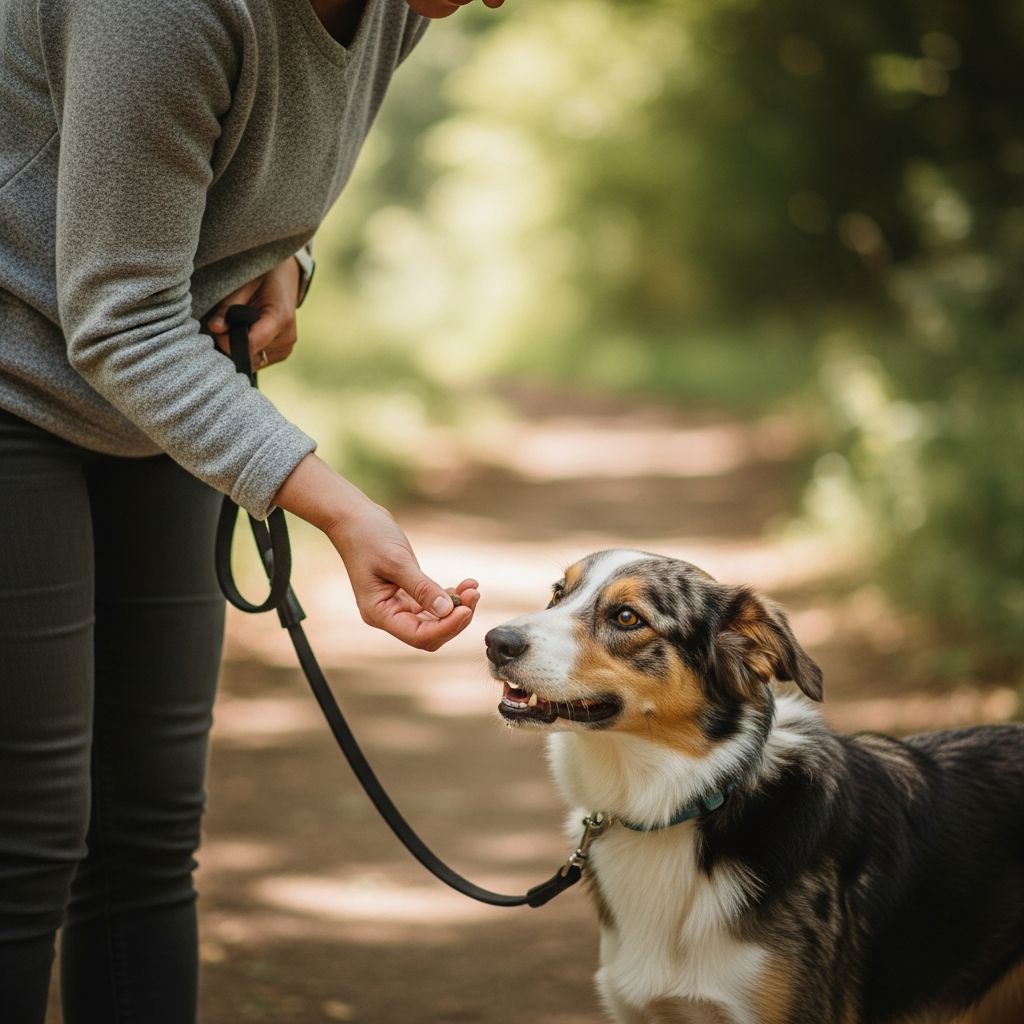
Managing Reactive Dogs: A Comprehensive Guide
Reactive dogs often display intense responses like barking, lunging, or pulling toward specific triggers such as other dogs, people, or unfamiliar sounds. These behaviors stem from underlying emotions like fear, frustration, or excitement rather than deliberate aggression. Understanding and addressing reactivity requires patience, consistency, and evidence-based methods to reshape your dog’s emotional associations and build a stronger bond.
Understanding What Makes a Dog Reactive
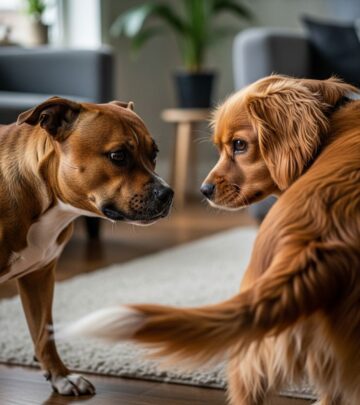
Reactivity in dogs is a heightened emotional state triggered by certain stimuli that overwhelm their ability to cope calmly. Common triggers include passing dogs on leashes, strangers approaching too closely, or even bicycles whizzing by. Unlike aggression, which intends harm, reactivity is often a defensive outburst signaling discomfort or over-arousal. Factors contributing to this include genetics, past experiences, lack of socialization, or insufficient outlets for physical and mental energy.
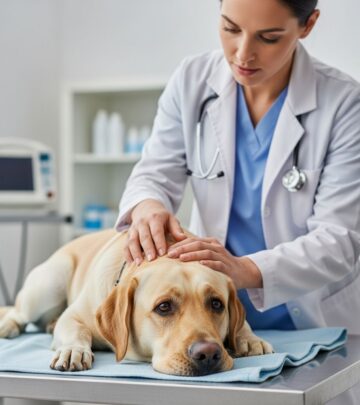
Recognizing early signs—stiffening body posture, ears perking rigidly, whale-eye (whites of eyes showing), or lip-licking—allows intervention before escalation. Professional assessments from certified trainers or veterinarians can rule out medical issues like pain or thyroid imbalances that mimic behavioral reactivity.
Building a Strong Foundation for Success
Before tackling triggers in real-world settings, establish core skills at home in low-distraction environments. Focus on developing your dog’s attention to you, clear communication, and impulse control. These basics create a reliable platform for advanced training.
- Attention and Engagement Exercises: Teach cues like “look” or “watch me” by holding a high-value treat near your eyes until your dog makes eye contact, then reward immediately. Practice in gradually distracting settings to strengthen the habit.
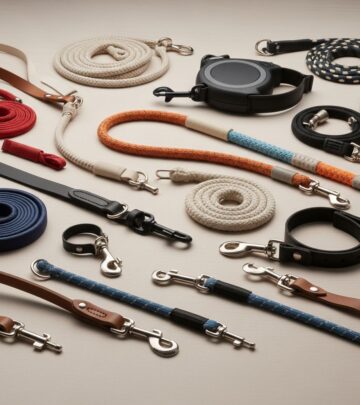
- Leash Handling Skills: Introduce gentle leash pressure and release. Allow your dog to feel slight tension on a slip lead or front-clip harness, rewarding when they yield by moving toward you without resistance.
- Calm Invitation Protocol: Require relaxed behavior for access to desired activities, such as waiting patiently at doors or sitting before receiving toys. This conditions dogs to associate calm states with positive outcomes.
Consistency across family members prevents mixed signals. Use a marker word like “yes” or a clicker to precisely time rewards, bridging the gap between behavior and reinforcement.
Key Training Techniques for Reactive Dogs
Several force-free methods have proven effective for reducing reactivity by changing emotional responses. Start at sub-threshold distances—far enough that your dog notices the trigger but remains under arousal threshold.
Observation Games: The Gateway to Calm Focus
Observation games, such as Engage/Disengage, reward dogs for noticing triggers without overreacting, then redirecting attention back to you. This builds choice-making skills and positive associations.
- Spot a distant trigger; as your dog looks, mark with “yes” and deliver a treat near their nose.
- Repeat until consistent, then wait for them to glance back at you before marking and treating.
- Progress to rewarding voluntary check-ins, fostering self-control.
Practice short sessions (1-2 minutes) multiple times daily with varying triggers. This method excels for beginners as it’s forgiving and empowers the dog.
Desensitization and Counter-Conditioning (DS/CC)
DS/CC pairs trigger exposure with high-value rewards to shift emotional responses from negative to positive. Begin at safe distances, feeding chicken or cheese every time the trigger appears, without requiring specific behaviors initially.
Gradually decrease distance as calm responses solidify. If arousal spikes, increase distance immediately to maintain success. Combine with counter-conditioning by associating triggers with play or toys for non-food-motivated dogs.
Emergency Maneuvers for Real-Life Scenarios
Equip your dog with practical escape tools like U-Turn cues. Teach by walking casually, then cue “this way” and pivot sharply, rewarding with treats or toys upon following. Practice in safe areas to build reliability for crowded paths or sudden encounters.
Additionally, master the “heel” command: reward your dog for maintaining position at your side during walks, using treats to lure and shape the behavior. A solid heel prevents lunging momentum.
Advanced Protocols and Professional Methods
For persistent cases, explore structured programs like those in “Fired Up, Frantic, and Freaked Out” by Laura VanArendonk Baugh, offering step-by-step plans for frustration-based reactivity. Behavior Adjustment Training (BAT) by Grisha Stewart allows dogs to approach triggers on long leashes at their pace, promoting confident decision-making without food lures.
| Method | Best For | Key Tools | Pros |
|---|---|---|---|
| Observation Games | Fear/Frustration | Treats, Marker | Beginner-friendly, builds focus |
| DS/CC | Emotional Shifts | High-value food | Changes root feelings |
| BAT | High-confidence needs | Long leash | Empowers dog autonomy |
| U-Turn/Heel | Immediate control | Leash, Rewards | Practical for outings |
Practical Tips for Daily Management
While training progresses, manage environments proactively:
- Exercise during off-peak hours in quiet parks or wide-open spaces to minimize encounters.
- Use visual barriers like baby gates or car window covers for recovery time.
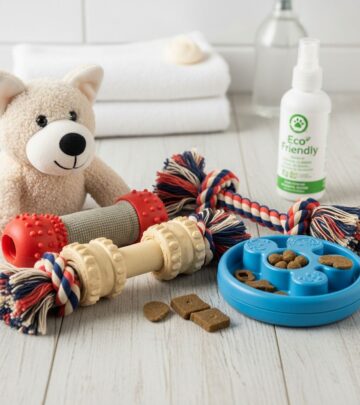
- Provide mental stimulation via puzzle toys or scent games to reduce overall stress.
- Track progress in a journal noting trigger distance, response intensity, and session outcomes for data-driven adjustments.
Consult professionals using positive reinforcement; seek force-free certified trainers (e.g., CPDT-KA) who prioritize relationship-building over dominance.
Common Challenges and Solutions
Plateaus occur when sessions exceed thresholds or rewards lose value—rotate treats and shorten durations. Multi-dog households require separate training to avoid competition. Adolescent dogs may regress due to hormonal surges; maintain consistency without punishment, which worsens fear cycles.
If reactivity involves aggression risks, prioritize safety with muzzles during training and veterinary behaviorist referrals for medication support if needed.
FAQs
What if my dog ignores rewards during training?
Use higher-value motivators like liver or steak, and ensure sessions are brief and fun. Hunger boosts drive but never starve your dog.
How long until I see improvement?
Progress varies; weeks for mild cases, months for severe. Consistency yields 80% improvement in committed owners per trainer reports.
Can all reactive dogs be fixed?
Most improve significantly with tailored plans; complete “cures” depend on individual history, but management ensures safe, enjoyable lives.
Is punishment ever helpful?
No—punishment heightens fear and arousal, undermining trust. Positive methods yield lasting, humane results.
Should I use a prong collar?
Avoid; they suppress symptoms without addressing causes and risk fallout aggression. Opt for martingale or harnesses.
Long-Term Lifestyle Adjustments
Integrate training into routines: daily focus walks, enrichment routines, and socialization at dog-friendly facilities. Monitor health with annual vet checks, as pain exacerbates reactivity. Celebrate small wins to stay motivated—your dog’s trust in you grows with every calm encounter.
Reactive dogs thrive with proactive owners. By investing in these strategies, you’ll unlock a more relaxed companion ready for adventures.
References
- A Beginner’s Guide to Helping Your Reactive Dog Get Better — 3 Lost Dogs. Accessed 2026. https://www.3lostdogs.com/a-beginners-guide-to-helping-your-reactive-dog-get-better/
- Training Reactive Dogs to Stay Calm — Koinonia Dogs. Accessed 2026. https://www.koinoniadogs.com/blog/training-reactive-dogs-to-stay-calm
- How to Train a Reactive Dog — Pack Leader Help. Accessed 2026. https://www.packleaderhelp.com/post/how-to-train-a-reactive-dog
- Dog Behavior: Training a Reactive Adventure Dog — Outside Online. 2023-10-15. https://www.outsideonline.com/culture/active-families/reactive-dog-training-and-tips/
- Training a Reactive Dog to Stay Calm: A Guide — Chewy. Accessed 2026. https://www.chewy.com/education/dog/training-and-behavior/10-tips-to-teach-your-reactive-dog-to-stay-calm
- Managing Reactive Behavior — Cornell University College of Veterinary Medicine. Accessed 2026. https://www.vet.cornell.edu/departments-centers-and-institutes/riney-canine-health-center/canine-health-information/managing-reactive-behavior
- The Positive Reward Based Method to Stop and Help Reactive Dogs — Fraternity K9. Accessed 2026. https://www.fraternityk9.com/new-blog/hw6wax5n2tnhy2cmyn63xsttd9w5r6
Similar Articles


Read full bio of Sneha Tete