

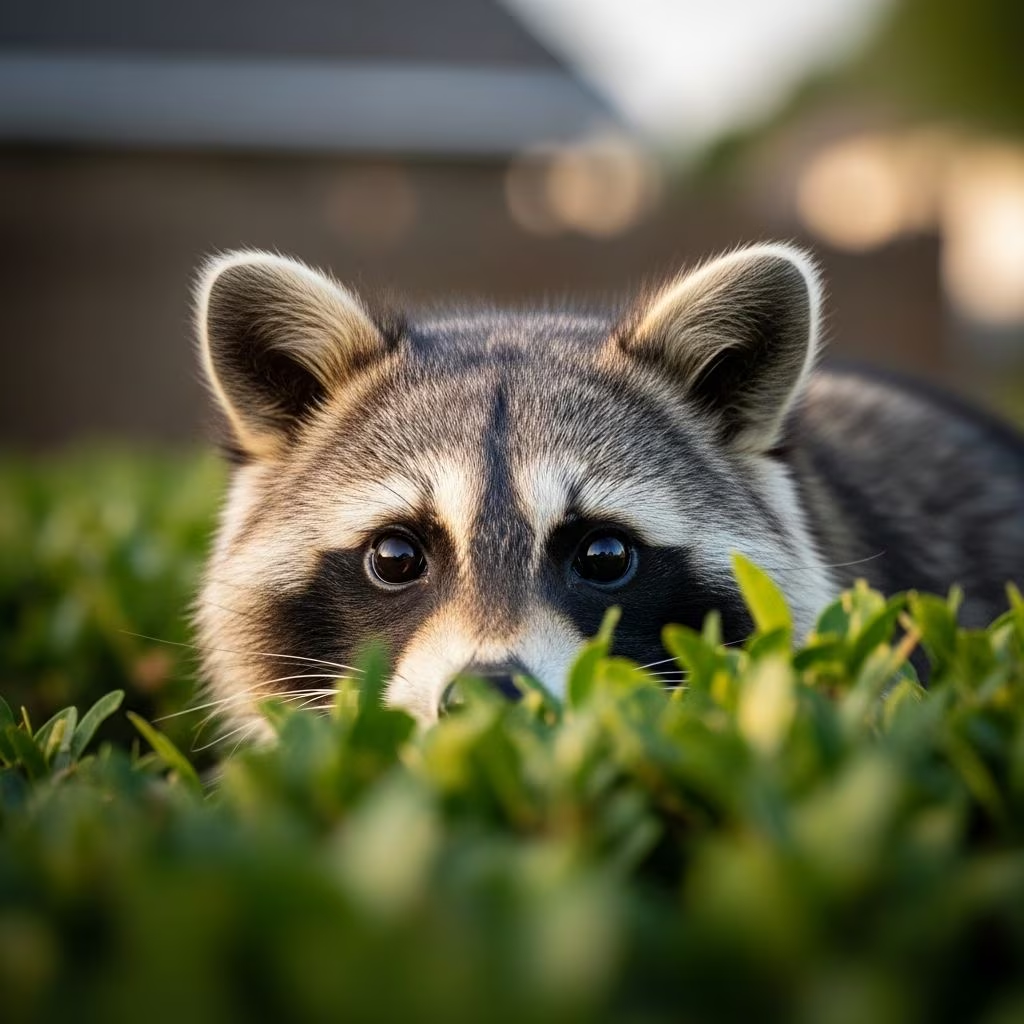
Raccoons, with their distinctive masked faces and dexterous paws, have become common sights in many neighborhoods. These adaptable mammals thrive in diverse environments, often leading to unwanted interactions with humans. Understanding their habits allows for effective, non-lethal management that prioritizes safety and coexistence.
Understanding Raccoon Biology and Adaptability
Raccoons (Procyon lotor) are medium-sized mammals native to North America, known for their intelligence and resourcefulness. They feature a stocky build, grayish fur with black stripes around the eyes, and ringed tails. Adults typically weigh 4-23 kg and measure 40-70 cm in body length, excluding the tail.
Originally from deciduous and mixed forests, raccoons have expanded into urban, suburban, agricultural, and even coastal areas due to their versatility. They require access to water and prefer wooded zones near streams or wetlands, but readily adapt to human-dominated landscapes. In cities, they exploit garbage, pet food, and gardens, contributing to their population growth.
| Feature | Adult Male | Adult Female |
|---|---|---|
| Weight | 6-12 kg avg | 4-8 kg avg |
| Body Length | 50-70 cm | 40-60 cm |
| Home Range | Up to 50 km² | Up to 16 km² |
Home ranges vary by habitat; males claim larger territories (3-20 sq mi in prairies) than females (1-6 sq mi), overlapping in resource-rich areas. They do not hibernate but enter torpor during harsh winters, conserving energy in dens.
Preferred Habitats and Daily Routines
Raccoons favor moist woodlands, marshes, and riparian zones teeming with prey like amphibians and crayfish. They den in tree hollows, rock crevices, abandoned burrows, or human structures such as attics, chimneys, and under porches. Urban raccoons often use garages or storm drains, with 15-43% denning in buildings depending on location.
- Natural dens: Hollow oaks, logs, or burrows from other animals.
- Urban alternatives: Attics, crawl spaces, or dense brush piles.
- Sleeping patterns: Mostly nocturnal, resting in varied spots; over 60% of sites used once in some studies.
Nocturnal by nature, they forage at night for fruits, nuts, insects, small vertebrates, and human discards. Their dexterous paws enable them to open latched garbage cans and raid bird feeders, making them notorious opportunists.
Why Raccoons Enter Human Spaces
Abundant food and shelter draw raccoons to yards and homes. Overflowing trash, unsecured compost, fallen fruits, and outdoor pet meals provide easy calories. Lack of natural predators in suburbs exacerbates issues, as does habitat fragmentation pushing them into developed areas.
During breeding (January-March) and kit-rearing (April-June), females seek secure dens, often invading attics or sheds. Juveniles disperse in fall, exploring new territories and increasing sightings. Seasonal food shortages or mild winters boost urban incursions.
Recognizing Signs of Raccoon Activity
Spotting raccoon presence early prevents escalation. Look for:
- Scattered garbage or tipped cans at dawn.
- Footprint tracks with five toes and claw marks near water sources.
- Greasy rub marks or urine scents on entry points.
- Damaged gardens, corn cobs, or pecked poultry.
- Audible chittering or thumping from attics at night.
Visual confirmation involves their shuffling gait and bandit mask, active post-sunset.
Humane Prevention Strategies for Your Property
Deterrence focuses on removing attractants and securing access. Implement layered defenses:
- Secure food sources: Use tight-fitting lids on bins; store indoors. Harvest garden produce promptly; elevate composters.
- Eliminate water access: Fix leaks, cover pools, avoid birdbaths overnight.
- Modify habitats: Trim overhanging branches; block crawl spaces with hardware cloth (1/4-inch mesh).
- Illuminate and noise: Motion lights and radios disrupt comfort.
Chemical repellents like ammonia-soaked rags mimic predators, but rotate types to avoid habituation. Fencing (4 ft high, angled outward) protects gardens effectively.
Safely Addressing Raccoons in Living Areas
For attic or chimney intruders, act swiftly but humanely. Exclusion is key over trapping, which stresses animals and risks orphans.
Step-by-step attic eviction:
- Confirm vacancy: Poke with a broom; listen for reactions.
- Locate entry (gaps >4 inches); install one-way doors.
- Monitor 3-7 days; seal permanently once clear.
- Prevent re-entry with metal flashing.
During kit season (spring-summer), delay until juveniles (8-10 weeks) exit voluntarily. Provide escape routes and temporary food outside.
Health Risks and Safety Protocols
Raccoons can carry rabies (rare but fatal), roundworms (Baylisascaris procyonis), and leptospirosis. Avoid contact; vaccinate pets. Droppings pose parasite risks—wear gloves, double-bag waste, disinfect with bleach.
If bitten, seek immediate medical care. Report aggressive or daytime-active raccoons to wildlife authorities, as this signals illness.
Legal Guidelines for Wildlife Interactions
Laws vary; raccoons are often regulated as furbearers. Relocation is illegal in many states due to disease spread and low survival rates. Consult local fish and wildlife agencies before action. Professional services ensure compliance.
Promoting Long-Term Coexistence
View raccoons as ecosystem helpers consuming pests and seeds. Enhance yards with native plants, reducing invasives they favor. Community education curbs feeding, fostering balance.
Frequently Asked Questions
Are raccoons dangerous to pets?
They may fight cats or small dogs over food but rarely attack unprovoked. Supervise pets outdoors.
How do I raccoon-proof my garbage?
Heavy lids, straps, or dolly straps; place in garages.
What if I find baby raccoons alone?
Mothers return; monitor discreetly. If truly orphaned (cold, injured), contact rehabilitators.
Do ultrasonic devices repel raccoons?
Limited efficacy; they habituate quickly. Visual/olfactory methods outperform.
Can I keep a raccoon as a pet?
Illegal in most areas; they grow destructive and carry zoonotics.
References
- Raccoon – Wikipedia — Wikipedia. 2023-10-01. https://en.wikipedia.org/wiki/Raccoon
- Raccoon Identification, Habitat & Behavior — Ja-Roy Pest Control. 2024-01-15. https://ja-roy.com/pest-info/nuisance-wildlife/raccoon/
- Procyon lotor (Guadeloupe raccoon) — Animal Diversity Web, University of Michigan. 2022-05-20. https://animaldiversity.org/accounts/Procyon_lotor/
- Raccoon | Ohio Department of Natural Resources — Ohio DNR (.gov). 2025-03-10. https://ohiodnr.gov/discover-and-learn/animals/mammals/raccoon
- Raccoons | Home and Garden Education Center — University of Connecticut (.edu). 2023-11-05. https://homegarden.cahnr.uconn.edu/factsheets/raccoons/
- Raccoons – Facts and Fancies — Wildlife Rescue League. 2024-06-12. https://www.wildliferescueleague.org/animals/raccoons-facts-and-fancies/
- Raccoons – Mass Audubon — Mass Audubon. 2023-09-18. https://www.massaudubon.org/nature-wildlife/mammals-in-massachusetts/raccoons



