

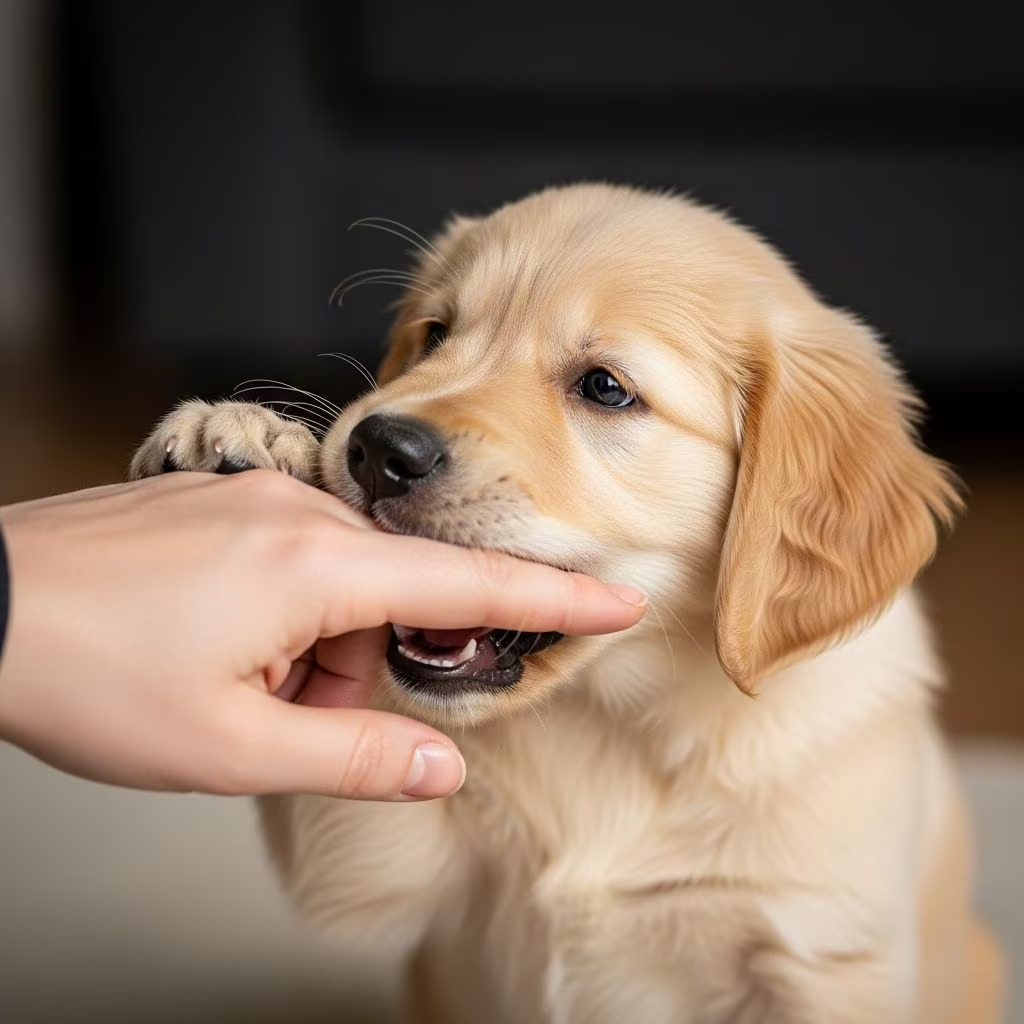
Puppy nipping is one of the most common challenges new dog owners face. Those sharp puppy teeth can leave marks on your skin, and what seems endearing in a small eight-week-old pup becomes increasingly problematic as your dog grows. Understanding the root causes of nipping and implementing consistent training strategies can transform this frustrating behavior into an opportunity for teaching your puppy appropriate social skills and communication boundaries.
Understanding Why Puppies Nip and Mouth
Before addressing solutions, it’s essential to recognize that puppy nipping is fundamentally different from aggressive biting. Nipping and mouthing are normal developmental behaviors that serve important functions in your puppy’s world. Puppies explore their environment primarily through their mouths, using their teeth and tongue to investigate objects, people, and their surroundings. This exploration is a crucial part of their sensory development and learning process.
During social play with littermates and other dogs, puppies learn crucial communication skills through gentle mouthing. When play becomes too rough, littermates yelp loudly to signal discomfort, teaching the offending puppy to moderate their force. When puppies join human families, they often transfer these same play behaviors to their new pack members, not realizing that human skin is far more delicate than a puppy’s fur and thicker hide.
Primary Triggers for Nipping Behavior
- Social Play and Excitement: Many puppies nip during interactive play sessions as a natural extension of their social bonding. This form of engagement strengthens the puppy-owner relationship but requires proper boundaries.
- Teething Discomfort: Beginning around 12-16 weeks of age, adult teeth start emerging, causing soreness in the gums. During this phase, puppies often increase their chewing and mouthing intensity to alleviate discomfort.
- Energy Overload: Boredom and excessive energy frequently manifest as increased nipping behavior. Puppies require substantial mental and physical stimulation, and when these needs go unmet, they resort to mouthing as an outlet.
- Fatigue-Related Fussiness: Contrary to what many assume, overly tired puppies often become more nippy, similar to how exhausted human children become irritable. Puppies require 16-18 hours of sleep daily, and recognizing tiredness cues helps prevent unnecessary biting episodes.
- Seeking Attention: If nipping successfully captures your attention—whether positive or negative—your puppy learns that this behavior achieves their goal of engagement.
The Foundation: Teaching Bite Inhibition
Bite inhibition is the cornerstone of addressing puppy nipping. This refers to a dog’s ability to control the force and intensity of their bite. Teaching bite inhibition during puppyhood creates a critical safety foundation. Even as your puppy grows into an adult dog, situations may arise where they feel compelled to use their mouth—during veterinary care, accidental situations, or moments of stress. A dog with established bite inhibition will cause minimal harm because they’ve learned to moderate their bite force.
The training process begins during natural play interactions. When your puppy playfully bites during engagement, react similarly to how a littermate would. Emit a loud, exaggerated “Ouch!” or high-pitched “Yip!” sound immediately. This verbal feedback mimics the response puppies receive from their littermates, signaling that they’ve crossed a boundary with the intensity of their bite. Puppies that pause after hearing this sound should receive immediate praise and potentially a small treat to reinforce the connection between moderating their bite and positive outcomes.
However, some puppies respond to vocalizations by becoming more excited rather than stopping. In these cases, verbal feedback alone proves insufficient. The next step involves removing all social interaction and attention. Stop playing immediately, cease all movement, and walk away from your puppy without making eye contact or speaking. This withdrawal of attention is far more impactful than verbal correction because your puppy loses the rewarding interaction they were seeking.
Strategic Redirection and Environmental Management
Rather than solely discouraging nipping, successful management involves proactively channeling the behavior toward appropriate outlets. This dual-pronged approach addresses the underlying drive while teaching acceptable alternatives.
Toy Substitution and Accessibility
The moment your puppy begins targeting your hands, clothing, or body, immediately offer an appealing alternative toy or chew item. The key is offering this distraction before the nipping escalates, establishing a pattern where toys become the default response to mouthing urges. Puppies have varying preferences, so maintaining an assortment of toys throughout your home ensures you can quickly locate an enticing option.
Consider the textures and properties that appeal to your individual puppy. Some prefer soft plush toys, others enjoy the challenge of puzzle toys that dispense treats, and many appreciate the sensation of rope toys for tugging. Rotating toys regularly maintains novelty and engagement, preventing habituation where toys lose their appeal.
Taste Deterrents for Persistent Mouthing
When redirection and bite inhibition training don’t produce sufficient results, taste deterrents offer an effective supplement. These bitter-tasting sprays applied to your skin and clothing create an unpleasant sensory experience when your puppy attempts to mouth you. After experiencing the bitter taste repeatedly, puppies typically learn to inhibit mouthing behavior within 2-3 weeks of consistent application.
For this method to succeed, apply the deterrent before beginning interactions with your puppy, and maintain consistent application throughout the adjustment period. When your puppy mouths you and encounters the bitter taste, they’ll instinctively stop. This is the moment to praise them enthusiastically for releasing you, creating a positive association with the correct behavior.
Petting and Chew Bone Protocol
A specialized technique combines controlled petting with simultaneous access to appropriate chew items. During petting sessions, offer your puppy a chew bone or appropriate toy to keep their mouth occupied. This dual engagement teaches your puppy that hands and petting are positive experiences while channeling the urge to mouth into a productive activity. Alternate which hand does the petting and which one holds the chew item, creating a pattern where mouthing redirects to the toy rather than your hands.
Initially, limit petting sessions to short durations, as prolonged stimulation can trigger excitement and increased nipping. Gradually extend these sessions as your puppy demonstrates increasing ability to remain calm during physical contact.
Exercise and Mental Stimulation as Behavioral Foundations
Insufficient physical and mental exercise represents one of the most common underlying causes of excessive nipping. A puppy with pent-up energy naturally seeks outlets for that energy, and nipping often becomes the default expression. Implementing a consistent exercise routine tailored to your puppy’s age and breed significantly reduces unwanted mouthing behavior.
Age-Appropriate Exercise Guidelines
The appropriate exercise duration varies substantially based on your puppy’s developmental stage. A general guideline suggests multiplying your puppy’s age in months by five to determine the number of minutes suitable for a single exercise session. For example, a four-month-old puppy can typically handle about 20 minutes of exercise at a time, potentially twice daily. This formula helps prevent overexertion while ensuring adequate activity levels.
Exercise should incorporate both physical and mental components. Traditional activities like walks and fetch sessions address physical exertion, while puzzle toys, scent games, and training sessions engage cognitive abilities. This balanced approach proves more effective than physical exercise alone, as mentally satisfied puppies exhibit fewer behavioral issues.
Play Structures That Reduce Nipping
The type of play activity matters significantly. Encourage noncontact forms of play such as fetch, controlled chase games, and structured tug-of-war rather than free-form wrestling or rough hand play. These activities provide excitement and engagement while maintaining clear boundaries around what constitutes acceptable contact. Tug-of-war, when played correctly with established rules, can be particularly beneficial because it provides a legitimate outlet for the desire to bite and mouth, directing that impulse toward an appropriate toy.
When puppy play becomes too rambunctious or the nipping intensifies during regular play sessions, temporarily suspend these interactive activities until your puppy demonstrates better impulse control. This teaches the important lesson that excessive roughness results in the termination of fun, reinforcing motivation to play gently.
Building Consistency Through Routine and Clear Boundaries
Conflicting approaches and inconsistent responses undermine training progress significantly. When different family members respond differently to nipping—some redirecting to toys, others using verbal corrections, and still others playing through the behavior—your puppy receives conflicting signals that prevent learning.
Establish clear household rules about nipping and ensure all family members understand and implement identical responses. Everyone should offer the same toys for redirection, react with the same verbal cue, and follow identical timeout procedures. Written guidelines posted in common areas serve as helpful reminders during the training process.
Additionally, implementing a consistent daily schedule provides predictability that reduces anxiety-driven or boredom-related nipping. Puppies thrive with routines that include designated play times, training sessions, feeding times, and rest periods. This structure helps your puppy develop self-regulation skills and reduces the occurrence of sudden nipping episodes.
Recognizing When Professional Help Is Necessary
While most puppy nipping represents normal behavior requiring patience and consistent training, certain situations warrant professional intervention. If nipping includes elements of fear or aggression—such as growling, stiff body posture, or intense fixation during biting—consulting a veterinarian or certified professional dog trainer becomes important. These indicators suggest that the nipping may reflect anxiety, resource guarding, or other behavioral concerns beyond typical developmental play biting.
Additionally, if your puppy’s nipping doesn’t show improvement after several weeks of consistent training, professional guidance can identify whether your approach requires adjustment or whether underlying issues need addressing.
Timeline and Expectations for Improvement
Most puppies show noticeable improvement in nipping behavior within 2-4 weeks of consistent, properly implemented training. However, complete elimination of mouthing doesn’t occur overnight, and setbacks during teething phases are entirely normal. The objective during the first months isn’t to completely stop your puppy from ever putting their mouth on you—it’s to establish bite inhibition, teach appropriate targets for mouthing, and redirect the behavior appropriately.
As your puppy approaches four to six months of age and adult teeth become fully established, the intensity and frequency of nipping typically decrease significantly. By continuing consistent training through this period, you establish a foundation for a dog that understands and respects personal boundaries while maintaining appropriate play skills.
Frequently Asked Questions
How do I know if my puppy’s nipping is aggression rather than play?
Play biting typically occurs during interactive sessions and isn’t accompanied by growling, snarling, or rigid body posture. Aggressive nipping often involves these additional signs, a fixed stare, and doesn’t stop when redirected. If you’re uncertain, consult a professional dog trainer or veterinarian.
Should I never use my hands for play with my puppy?
Not entirely, but hand-play should be carefully structured. Avoid free-form wrestling and rough hand-play that encourages mouthing your hands. Instead, use hands primarily for petting, training rewards, and controlled interactive activities like offering toys.
What if my puppy doesn’t respond to the “ouch” method?
Some puppies become more excited by vocal sounds. If this occurs, skip the verbal feedback and go directly to removing all attention and walking away. Consistency with this approach typically shows results within weeks.
Can teething toys prevent or reduce nipping?
Teething toys specifically designed for sore gums provide comfort during the teething phase and can reduce the motivation to mouth other objects and people. Frozen or textured teething toys are particularly effective during this period.
At what age does puppy nipping typically stop?
Nipping frequency and intensity generally decrease significantly between 4-6 months as adult teeth fully erupt and puppies develop better impulse control. However, timely training significantly influences this timeline.
Summary: Building a Foundation for Appropriate Behavior
Managing puppy nipping successfully requires understanding that this behavior represents normal development rather than defiance or aggression. By teaching bite inhibition early, providing consistent redirection, implementing adequate exercise and mental stimulation, and maintaining clear household boundaries, you establish a foundation for a dog that respects personal space and engages appropriately with people. The investment of time and consistency during these early months pays dividends throughout your dog’s life, resulting in a companion that understands how to interact safely and enjoyably with human family members and other individuals they encounter.
References
- How to Stop a Puppy from Biting and Nipping — Pet Palace Resort. Accessed March 2026. https://www.petpalaceresort.com/how-to-stop-a-puppy-from-biting/
- How To Stop Puppy From Jumping, Nipping, Barking and Digging — Thriving Canine. Accessed March 2026. https://www.thrivingcanine.com/blog/q-how-stop-puppy-jumping-nipping-barking-and-digging/
- Puppy Teething and Nipping: A Survival Guide — American Kennel Club. Accessed March 2026. https://www.akc.org/expert-advice/health/puppy-teething-and-nipping/
- Teaching Bite Inhibition and Dealing with Rough Puppy Play — Oregon Humane Society. Accessed March 2026. https://www.oregonhumane.org/portland-training/teaching-bite-inhibition-and-dealing-with-rough-puppy-play/
- Mouthing, Nipping and Biting in Puppies — ASPCA. Accessed March 2026. https://www.aspca.org/pet-care/dog-care/common-dog-behavior-issues/mouthing-nipping-and-biting-puppies
- Play Biting in Puppies — VCA Animal Hospitals. Accessed March 2026. https://vcahospitals.com/know-your-pet/play-biting-in-puppies
- How to Stop Puppy Biting — Purina US. Accessed March 2026. https://www.purina.com/articles/dog/puppy/behavior/how-to-stop-puppy-biting



