Managing Predatory Drift In Dogs: 4 Proven Techniques
Discover effective strategies to curb your dog's instinctual chase behaviors and ensure safer interactions with family, pets, and wildlife.
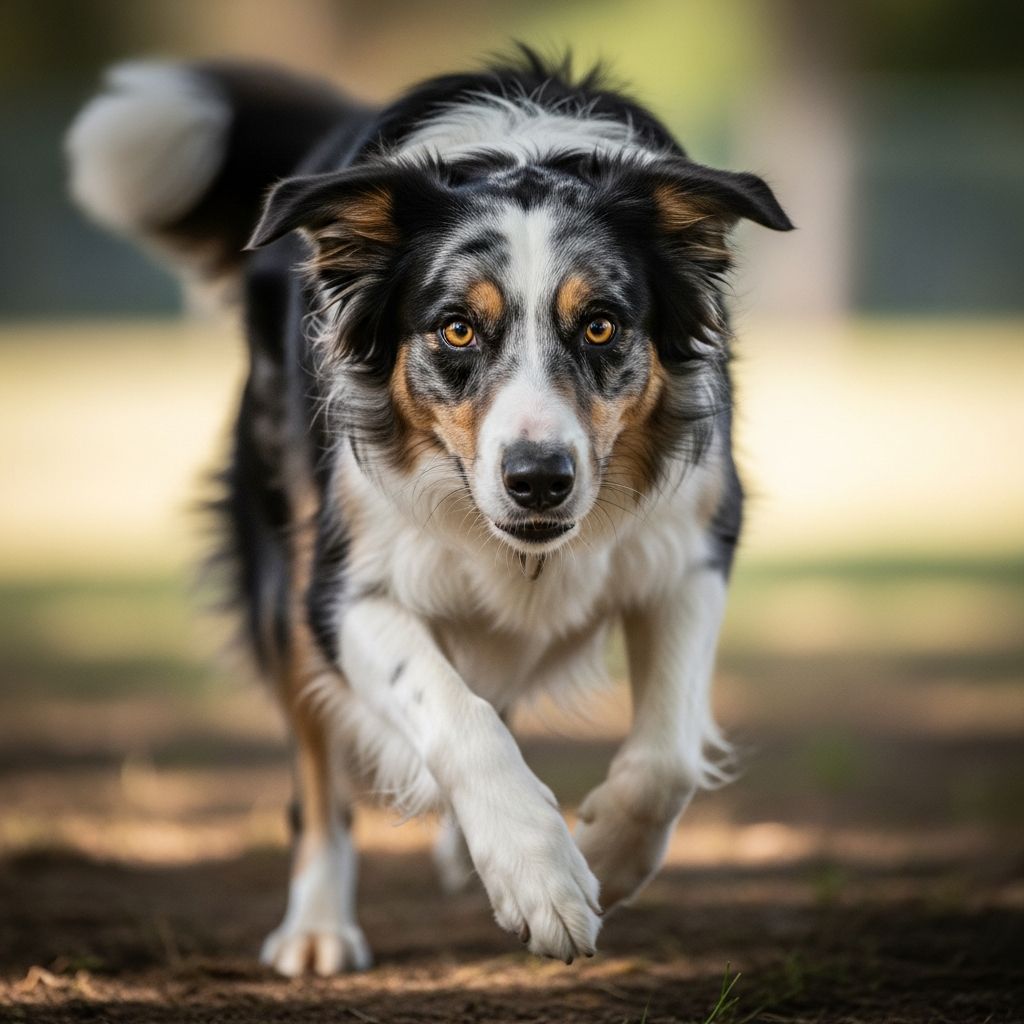
Managing Predatory Drift in Dogs
Predatory drift represents a natural extension of a dog’s ancestral hunting drive, where instinctual responses to movement can lead to chasing or targeting smaller animals, children, or even household objects. Unlike emotional aggression rooted in fear or protection, this behavior lacks vocal warnings and stems from an innate urge to pursue prey, making it both predictable and manageable with targeted interventions.
Decoding the Instinct Behind the Chase
At its core, predatory drift activates when a dog perceives rapid motion or erratic sounds as opportunities for a hunt, echoing behaviors from wild canids. This silent pursuit mode bypasses typical threat signals, focusing instead on stalk-chase-grab sequences that feel rewarding to the animal. High-energy breeds like herding or terrier types often show stronger tendencies due to selective breeding for such traits.
Key triggers include squirrels darting across yards, bicycles whizzing by, or even playful children sprinting indoors. The dog’s brain floods with adrenaline and dopamine, reinforcing the cycle as pleasurable rather than stressful. Importantly, this is not malice; it’s biology misfiring in domestic settings.
Spotting Early Indicators of Predatory Drift
Recognizing precursors allows preemptive action before escalation. Dogs may fixate with intense stares, crouch low, or stiffen rigidly while tracking movement. Other signs encompass:
- Flattened ears and tucked tail during focus
- Sudden acceleration toward moving targets without barking
- High arousal with dilated pupils and rapid panting
- Preference for specific stimuli like small, furry creatures or wheeled toys
These cues differ from fear-based stiffness, which pairs with avoidance or growling. Video your dog’s reactions during walks to map patterns objectively.
Breed Influences and Genetic Factors
Certain lineages amplify risks. Herding breeds chase to control flocks, hounds pursue scents over distances, and terriers were bred to dispatch vermin. Table below outlines common predispositions:
| Breed Group | Typical Triggers | Intensity Level |
|---|---|---|
| Herding (e.g., Border Collie) | Running children, vehicles | High |
| Small animals, joggers | Very High | |
| Terriers | Rodents, cats | Moderate to High |
| Guardians | Intruders, bikes | Moderate |
Genetics set the stage, but environment shapes expression—early socialization tempers raw drives.
Health Checks: Ruling Out Underlying Issues
Before training, consult a veterinarian to exclude medical contributors like thyroid imbalances, pain from joints, or neurological glitches that mimic or exacerbate drift. Orthopedic pain might heighten irritability, while sensory declines in seniors prompt overreactions. Geriatric confusion can blend with instinctual surges, demanding bloodwork and exams.
Post-vet clearance shifts focus to behaviorists, as unmanaged cases risk bites targeting limbs or necks with minimal warning.
Core Strategies for Drift Management
Impulse Control Foundations
Build self-regulation through games teaching “leave it” and “wait.” Start with low-stakes: tether a toy, reward glances away from it. Progress to real triggers at distance, using high-value treats for disengagement. Consistency across family prevents mixed signals.
Desensitization and Counterconditioning
Gradually expose dogs to triggers at sub-threshold levels, pairing with positives like food or play. For bike chasers: Station far from paths, feed chicken as bikes pass, slowly closing distance. This rewires association from thrill to neutrality. Track sessions in a journal for progress.
Exercise and Mental Enrichment
Channel energy via scent work, fetch variants, or flirt poles that satisfy pursuit safely. Daily 45-minute hikes drain reservoirs, reducing home incidents. Puzzle toys mimic hunt-reward without harm.
Environmental Controls
Leash walks eliminate free chases; secure fencing blocks wildlife access. Muzzle training for high-risk scenarios ensures safety during rehab. Avoid off-leash parks until proficient.
Advanced Interventions for Stubborn Cases
Medication may aid severe instances, balancing neurotransmitters under veterinary behaviorist oversight. Tools like head halters redirect focus during outings. Group classes foster social tolerance, but select positive-only programs—punitive methods heighten reactivity.
Professional assessment deciphers nuances, like distinguishing drift from redirected frustration.
Preventing Escalation in Multi-Pet Homes
Supervise big-small dog pairs rigidly; separate during absences. Train recall under distraction, rewarding heavily. Children’s erratic motions pose unique risks—teach calm approaches and no running near susceptible pets.
Common Pitfalls to Avoid
- Punishing post-chase, which spikes fear-aggression fusion
- Inconsistent rules eroding trust
- Overlooking fatigue as a trigger amplifier
- Skipping vet input for potential pain links
FAQs
Can predatory drift be fully eliminated?
Not eradicated, but profoundly diminished via management, allowing safe coexistence.
Is it safe to rehome a drift-prone dog?
Viable with full disclosure; many thrive post-training in suited homes.
How long until improvements show?
Weeks for basics, months for reliability—patience is key.
Does neutering help?
May mildly reduce in males, but not a cure-all.
What if my dog targets family members?
Rare but urgent—seek immediate behaviorist consult.
Long-Term Success Roadmap
Sustain gains with lifelong protocols: weekly impulse drills, annual vet behavior screens, and community support. Track metrics like chase-free days to celebrate milestones. Empowered owners transform potential hazards into thriving partnerships.
References
- Aggression – ASPCA — ASPCA. 2023-01-15. https://www.aspca.org/pet-care/dog-care/common-dog-behavior-issues/aggression
- Sudden Aggression in Dogs: Causes and How to Deal With It — GoodRx. 2024-05-20. https://www.goodrx.com/pet-health/dog/why-is-my-dog-always-aggressive
- What is Predatory Aggression? — Andy’s Veterinary Clinic. 2023-11-10. https://www.andysvetclinic.net/post/what-is-predatory-aggression
- PREDATORY BEHAVIOR IN DOGS — Serenity Canine. 2017-06-09. https://www.serenitycanine.com/post/2017/06/09/predatory-behavior-in-dogs
- Aggression in Dogs — VCA Animal Hospitals. 2024-02-28. https://vcahospitals.com/know-your-pet/fear-vs-aggression
- Predatory Aggression in Dogs — PetPlace.com. 2023-07-05. https://www.petplace.com/article/dogs/pet-behavior-training/predatory-aggression-in-dogs
Similar Articles







Read full bio of medha deb