

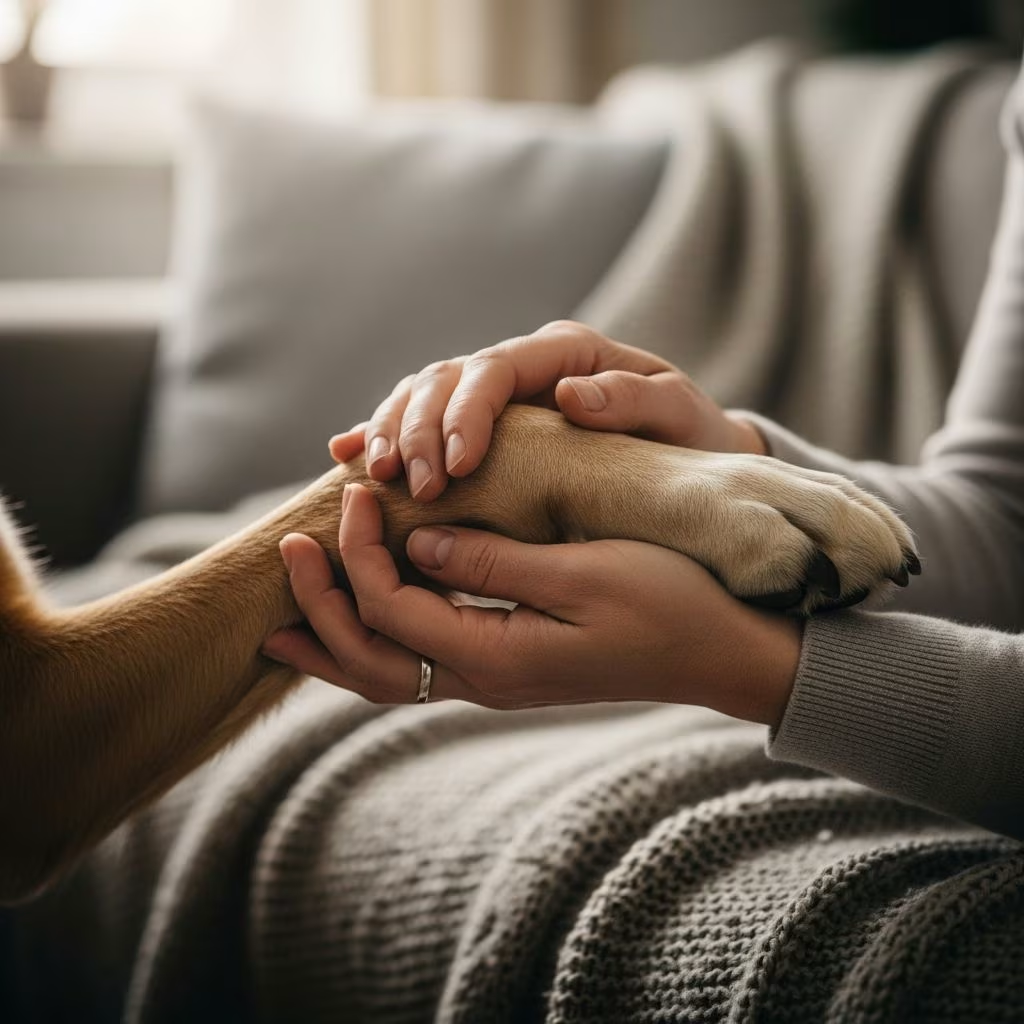
The unexpected passing of a beloved pet in your home is one of life’s most difficult moments. Without advance preparation or clear guidance, you may find yourself overwhelmed by both the emotional weight of the loss and the practical decisions that must be made immediately. This comprehensive guide walks you through each step of this challenging process, providing compassionate direction for handling your pet’s remains with dignity while also supporting your own emotional wellbeing during this profound transition.
Confirming Your Pet Has Passed
When you discover your pet appears to have stopped breathing or become unresponsive, your first instinct may be panic. However, it’s essential to take a moment and carefully assess whether your pet has truly passed away. Shallow breathing, prolonged sleep, or unconsciousness can sometimes resemble death, but a few simple checks can provide clarity.
To confirm your pet’s passing, perform these assessments:
- Check for respiratory movement: Observe your pet’s chest and abdomen carefully for any rise and fall, no matter how slight. Even minimal movement indicates breathing is still occurring.
- Assess for heartbeat: Place your fingertips gently under your pet’s front leg near the armpit area, where the heart is most easily palpable. A beating heart will create a distinct pulsing sensation under your fingertips.
- Evaluate eye response: Gently touch the surface of your pet’s eye. A living animal will respond with a blink or eye movement, while a deceased pet will show no corneal reflex.
If you’re uncertain after these checks, do not hesitate to contact your veterinarian immediately. Veterinary professionals can provide definitive confirmation and guide you through the next steps with expertise and compassion.
Reaching Out to Your Veterinarian for Guidance
Once you’ve confirmed your pet has passed, your veterinarian becomes an invaluable resource during this difficult time. Many people don’t realize that veterinary clinics offer support services beyond routine care, including guidance on aftercare options and sometimes direct assistance with remains.
When you contact your veterinarian, consider discussing the following:
- Available services: Ask whether your clinic offers home pickup services for your pet’s body or can recommend reputable cremation providers.
- Documentation: Share relevant details about your pet’s final moments, including the time of death and any unusual circumstances, as this information may be helpful for medical records.
- Transportation options: Inquire about whether your veterinarian can transport your pet or recommend services that specialize in dignified pet transport.
- After-hours access: If your pet passes outside regular business hours, emergency veterinary clinics often maintain relationships with cremation services and can provide rapid assistance.
This conversation also provides an opportunity to ask questions about the natural processes that will occur over the coming hours and days, helping you understand what to expect as you care for your pet’s remains.
Preserving Your Pet’s Body with Dignity and Care
The period immediately following your pet’s passing is a delicate time. Understanding how to position and preserve your pet’s body can help you maintain their dignity while you make decisions about aftercare arrangements.
Immediate Positioning and Wrapping
Before rigor mortis sets in, which typically occurs within one to two hours after death, position your pet in a natural, restful pose. A curled position, as if your pet is sleeping peacefully, creates a sense of comfort and can provide closure for family members saying goodbye.
Once positioned, prepare your pet’s body for preservation:
- Use protective layers: Place absorbent materials such as puppy pads or towels under your pet’s rear quarters to protect against any bodily fluid release.
- Wrap gently: Carefully wrap your pet in a soft blanket or bed sheet, ensuring they are fully covered but handled with tenderness.
- Consider additional protection: For added protection, you may place the wrapped body in a plastic bag or container, though many people prefer to skip this step if they plan to view their pet again.
Temperature Control and Timeline Considerations
The natural decomposition process begins immediately after death, but you have some control over the pace by managing your pet’s environment. Keeping your pet in a cool location slows natural processes significantly, providing you with a window of time to make arrangements without rushing.
Optimal storage solutions include:
- Cool rooms: A basement, garage, or unheated room maintains a cooler temperature.
- Ice packs: Placing ice packs near your pet’s body (not directly touching the fur) helps maintain a lower temperature.
- Refrigeration: Some people choose to store their pet in a freezer or cooler with ice, though this should only be done if you’re comfortable with this option.
The timeline for making arrangements can vary based on your pet’s size, the ambient temperature, and local regulations. Generally, it’s advisable to finalize aftercare arrangements within 24 hours, though a cool environment may allow additional time if you need it.
Managing Practical Aspects of Body Care
Beyond positioning and temperature control, there are several practical considerations for managing your pet’s body in the hours following their passing.
Handling Bodily Fluids and Cleanliness
After death, a pet’s body may release fluids or waste. This is a natural process, and handling it with care preserves your pet’s dignity:
- Wear disposable gloves while cleaning any affected areas.
- Use soft, absorbent towels to gently clean your pet’s body.
- Change protective pads as needed if fluids continue to be released.
Addressing Odor and Environmental Concerns
If your pet will be kept at home for an extended period, managing odor becomes important:
- Odor management: Ice packs placed on your pet’s belly, combined with baking soda or baby powder, can help manage odor development.
- Insect prevention: Cover your pet with a blanket and use a small fan to deter flying insects. White vinegar can repel ants, and cornstarch can be used to address pest issues.
- Protected environment: Keep your pet’s body inside your home or in a closed garage to prevent exposure to other animals and outdoor elements.
Exploring Aftercare and Memorialization Options
After confirming your pet’s passing and stabilizing their remains, you’ll need to explore options for final arrangements. The choices available range from traditional cremation to home burial to specialized memorial services.
Cremation Services
Pet cremation has become increasingly common and offers families flexibility in how they memorialize their pets. When researching cremation services, consider these approaches:
- Emergency veterinary clinics: Pet emergency rooms maintain relationships with cremation providers and can facilitate rapid assistance even outside business hours.
- Personal recommendations: Speaking with friends or family members who have experienced pet loss can provide valuable insights into local cremation services and their quality of care.
- Service options: Some crematoriums offer private cremation (your pet is cremated alone) versus communal cremation (multiple pets are cremated together), with different pricing and return-of-ashes arrangements.
Home Burial Considerations
For families who prefer to keep their pet close to home, burial on your property may be an option. Before proceeding with home burial:
- Research local zoning laws and regulations regarding pet burial on residential property.
- Choose a location that won’t be disturbed and that respects your neighbors.
- Consider the depth and protection needed to prevent disturbance by wildlife.
- Create a meaningful marker or memorial at the burial site.
Professional Transport Services
If you’re unable or unwilling to transport your pet yourself, specialized pet transport services handle remains with professional dignity. These services can arrange pickup from your home and transport to a crematory or cemetery. While this option involves additional cost, many families find the peace of mind and emotional relief worth the investment.
Creating Meaningful Memorials and Keepsakes
In the hours and days following your pet’s passing, creating tangible memories can provide comfort and help process your grief. These memorials serve as lasting tributes to the bond you shared.
Consider these memorial options:
- Pawprint preservation: Create an ink or clay pawprint to keep as a lasting keepsake.
- Fur collection: Carefully clip a small lock of fur or whisker to preserve as a memory.
- Photography: Take final photographs of your pet in their resting position, creating a visual memory of your last moments together.
- Plaster casting: Commission a plaster cast of your pet’s paw or body to create a three-dimensional memorial.
- Multi-pet closure: If you have other pets in your home, consider allowing them to spend time with your deceased pet. Other animals grieve and benefit from understanding what has happened, which facilitates their own closure process.
Supporting Family Members Through the Loss
If your pet’s passing occurs when other family members are asleep or if you’re alone, how you communicate this news significantly impacts how everyone processes the loss. Taking time to gather your thoughts and choose your words with care demonstrates respect for everyone’s grief.
Breaking the News Compassionately
When possible, wait until morning when you can share the news with clarity and calm:
- Gather family members in a quiet, comfortable space.
- Share the news with gentle honesty, avoiding euphemisms that might confuse, especially with children.
- Allow each person to process the news in their own way, understanding that grief expressions vary widely.
- Create a safe environment for questions and emotions, ensuring everyone feels supported.
Involving Children in the Process
Children often benefit from age-appropriate involvement in memorial activities and honest conversations about death. Allowing them to participate in creating memorials or saying goodbye helps them process their emotions constructively.
Prioritizing Your Own Grief and Emotional Wellbeing
While managing the practical aspects of your pet’s passing, it’s crucial to acknowledge and honor your own emotional experience. Pet loss is a significant life event, and your grief deserves recognition and support.
Immediate Self-Care Practices
In the immediate aftermath of your pet’s passing, basic self-care becomes essential:
- Nourishment and hydration: Maintain your physical health by eating regular meals and drinking water, even if you lack appetite.
- Fresh air and movement: Spending time outdoors and engaging in gentle physical activity can help process emotions and manage shock.
- Social connection: Reach out to supportive friends or family members who understand the depth of your bond with your pet.
Long-Term Grief Support Resources
Pet bereavement is a legitimate form of grief that deserves ongoing support:
- Support groups: Join pet loss support groups, either in-person or online, where others who have experienced similar losses provide understanding and validation.
- Professional counseling: Consider speaking with a counselor or therapist who specializes in pet bereavement to help process your grief in a structured setting.
- Time and patience: Recognize that there is no set timeline for grief. Some days will be easier than others, and this variability is normal and healthy.
Understanding Grief as a Personal Process
The loss of a pet can be as impactful as other significant life losses. Your grief is valid, and the emotional journey you experience following your pet’s death is deeply personal. Allow yourself to feel whatever emotions arise—sadness, anger, guilt, or even moments of relief—without judgment. Recovery isn’t linear, and honoring your pet’s memory through grief is an expression of the love you shared.
Key Takeaways for Managing Pet Loss at Home
When your pet passes away at home, remember these essential principles: confirm death with certainty, contact your veterinarian for guidance and support, preserve your pet’s body with dignity and care, explore available aftercare options, create meaningful memorials, communicate compassionately with family members, and prioritize your own emotional wellbeing. By approaching each step with intentionality and self-compassion, you honor the relationship you shared with your pet while navigating this difficult transition with grace.
References
- 10 Steps to Take If Your Pet Dies at Home: A Compassionate Guide — Honor.pet. 2024. https://www.honor.pet/blog/10-steps-to-take-if-your-pet-dies-at-home-a-compassionate-guide
- What to Do if Your Dog Dies at Home at Night — Paws Into Grace. 2024. https://pawsintograce.com/what-to-do-dog-dies-at-home-night/
- My Pet Died at Home. What Do I Do Now? — Baltimore Humane Society. 2024. https://bmorehumane.org/my-pet-died-at-home-what-do-i-do-now/
- After Life Care for Pets Who Pass Away at Home — BluePearl Veterinary Partners. 2024. https://bluepearlvet.com/in-home-pet-hospice/after-life-care/
- Coping with the Loss of a Pet — American Veterinary Medical Association. 2024. https://www.avma.org/resources-tools/pet-owners/petcare/coping-loss-pet



