

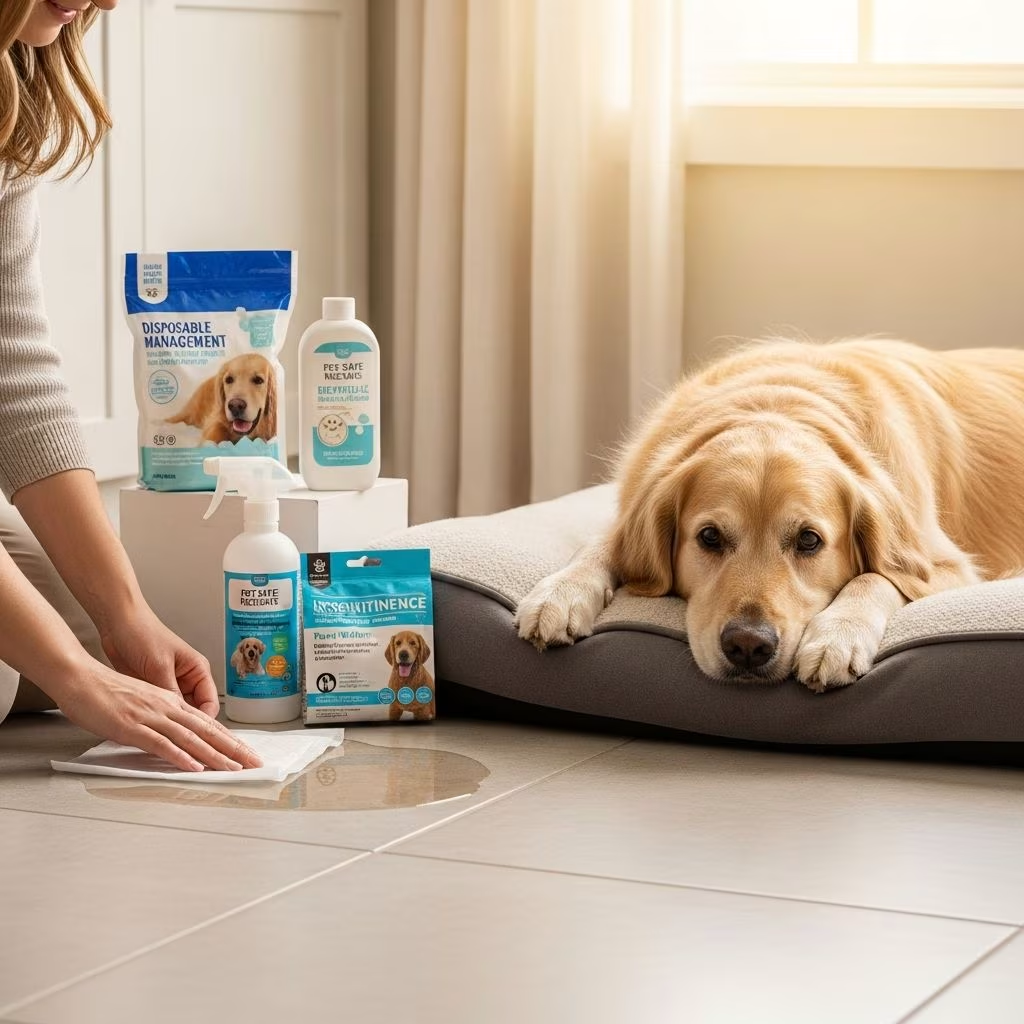
Pet incontinence, characterized by involuntary urine or fecal leakage, affects many dogs and cats, particularly seniors or those with medical conditions. This condition can stem from weakened bladder muscles, nerve damage, hormonal imbalances, or spinal issues, impacting daily life for both pets and owners. Early veterinary intervention combined with targeted home strategies can significantly enhance comfort and prevent complications like skin infections.
Understanding the Root Causes of Incontinence
Incontinence arises from various underlying issues. In female dogs, urethral sphincter mechanism incompetence (USMI) is common, where the muscle controlling urine flow weakens, often due to age or spaying. Ectopic ureters, a congenital defect, can also cause lifelong leakage. Cats may experience it from spinal injuries preventing proper bladder emptying or chronic conditions like diabetes.
Symptoms include dribbling during rest, wet bedding, or frequent small puddles. Owners often notice soiled fur around the hindquarters, leading to irritation if untreated. Recognizing these signs prompts timely vet visits for diagnostics like urinalysis, bloodwork, ultrasounds, or radiography to pinpoint causes.
Veterinary Diagnostics and Treatment Options
Consult a veterinarian immediately upon noticing incontinence. Diagnostic tools include urine cultures to rule out infections, blood tests for hormonal levels, and imaging for structural anomalies. Treatments vary: medications like hormone replacements (e.g., phenylpropanolamine for USMI) restore sphincter tone in many cases, while antibiotics address infections. Surgery corrects ectopic ureters or severe spinal issues.
For non-surgical cases, vets may recommend dietary adjustments or supplements to firm stools or support bladder health. Cats with nerve damage might need manual bladder expression, taught by professionals to avoid injury. Regular monitoring ensures treatments remain effective, with 80-90% of USMI dogs responding well to medication.
Common Diagnostic Tests Table
| Test | Purpose | Typical Findings |
|---|---|---|
| Urinalysis & Culture | Detect infections | Bacteria, crystals |
| Blood Tests | Assess hormones, kidney function | Low estrogen/progesterone |
| Ultrasound/Radiography | Visualize bladder/ureters | Ectopic ureters, tumors |
Creating an Incontinence-Friendly Home Environment
Transform your living space to minimize messes and protect surfaces. Start with absorbent, waterproof bedding for resting areas. These machine-washable options with impermeable liners trap moisture, preventing floor damage and odors. Place them under furniture, crates, or favorite nap spots.
- Waterproof Beds: Elevated designs like Kuranda beds promote airflow, reducing bacterial growth.
- Disposable Pads: Ideal for high-traffic zones; whelping pads are thin, slip-resistant, and customizable.
- Furniture Covers: Reusable, zippered protectors safeguard sofas and chairs.
Designate a low-traffic “safe zone” with these materials, toys, and familiar scents to reduce pet anxiety. Block access to risky areas like tight spaces where pets could injure themselves while dragging soiled hindquarters.
Daily Hygiene and Skin Care Routines
Incontinence leads to urine scalding, dermatitis, and infections around genitals and hind legs. Daily cleaning prevents these: gently wipe with pet-safe, unscented wipes after accidents, focusing on fur matting. Trim or shave hindquarters (every 3 weeks for non-draggers) to ease maintenance, consulting groomers for technique.
Bathe as vet-recommended using mild agents like diluted castile soap or waterless shampoos. Supplies include gloves, combs, sprayers, and barrier creams post-cleaning. Dry thoroughly to avoid moisture-related issues. For severe cases, apply vet-prescribed topicals.
Essential Hygiene Supplies
- Pet wipes and baby washcloths
- Mild, unscented shampoos
- Flea combs and grooming clippers
- Barrier ointments
- Absorbent towels and gloves
Protective Products: Diapers, Pads, and More
Reusable doggie diapers with adjustable straps and absorbent cores manage leakage effectively; introduce gradually with treats to overcome resistance. Belly bands suit males. Training pads near beds catch dribbles, especially overnight.
For cats, litter box liners or pee pads on windowsills prevent upholstery stains. Stock quick-clean tools: pet-safe disinfectants, spray bottles, mops, and paper towels for spot cleanups. These neutralize bacteria and odors without harming pets.
Establishing Routines to Minimize Accidents
Consistency aids control. Schedule meals, water, and potty breaks—every 4-6 hours, post-eating, and before bed. Frequent short walks stimulate bladders, improving muscle tone via exercise.
Monitor intake: timed feeding helps predict outputs, but ensure hydration. Positive reinforcement—praise and treats for outdoor success—builds confidence without punishment, which worsens stress-induced leaks.
Nutritional and Supplemental Support
Diet impacts continence. High-fiber foods firm stools in constipated pets; omega-3 supplements reduce inflammation. Vets tailor plans: special formulas for urinary health or probiotics for gut balance. Exercise like harnessed walks boosts motility.
Emotional Well-Being for Pets and Owners
Incontinence stresses pets, causing hiding or anxiety. Provide secure spaces with comforts. Owners face frustration; self-care via routines and supplies eases burden. Support groups or vets offer coping advice.
Frequently Asked Questions (FAQs)
What causes incontinence in senior pets?
Age-related muscle weakness, spaying, or neurological issues are primary culprits.
Are diapers comfortable for dogs?
Most adapt with positive association; choose breathable, fitted styles.
How often should I clean my incontinent cat?
Daily wipes, baths weekly or as needed; shave hind ends for ease.
Can medication fully resolve dog incontinence?
Often yes for USMI; 80-90% success rate with monitoring.
Is surgery always necessary?
No, meds and management suffice for many; surgery for congenital defects.
Implementing these strategies fosters a supportive environment, allowing incontinent pets to thrive. Regular vet check-ins ensure ongoing success.
References
- How Can I Help Manage My Incontinent Dog? — Petdirect Pharmacy. 2023. https://petdirectpharmacy.co.nz/blog/how-can-i-help-manage-my-incontinent-dog-
- 5 Tips for Life with an Incontinent Dog — Kuranda Dog Beds. 2022-10-15. https://kuranda.com/blog/5-tips-for-life-with-an-incontinent-dog
- Caring for an Incontinent Cat — Best Friends Animal Society. 2024. https://bestfriends.org/pet-care-resources/caring-incontinent-cat
- How to Support a Senior Dog with Urinary Incontinence Issues — Vets Love Pets. 2023-05-12. https://vetslovepets.com.au/blogs/dog/how-to-support-a-senior-dog-with-urinary-incontinence-issues
- 24 | How to give great care to your dogs with urinary incontinence — Veterinary Internal Medicine Nursing. 2024-01-10. https://www.veterinaryinternalmedicinenursing.com/medical-nursing-podcast/care-for-dogs-with-urinary-incontinence
- Urinary Incontinence (Urethral Incontinence) in Dogs — VCA Animal Hospitals. 2025. https://vcahospitals.com/know-your-pet/urethral-incontinence-in-dogs



